Uwajima
"Lia counted the pearl rafts until she lost the number, and we let the whole afternoon go with them."
A salt-air port at the ragged bottom of Ehime, where an original castle keeps watch over a ria coast strung with pearl rafts. It is a town of bull-sumo bellows, mikan groves, and a bay that turns silver at dusk.
We arrived in Uwajima on a slow local train that hugged the coast so tightly Lia kept flinching at the water, and by the time we stepped onto the platform the light had gone gold and thick, the kind that makes a small town look like it is holding its breath. Nobody was in a hurry. An old man wheeled a crate of mikan past us, the citrus smell trailing behind him, and I remember thinking that we had finally reached the edge of something — the last real town before Shikoku frays into inlets and forgets there is a rest of Japan at all.
The castle that outlived everything
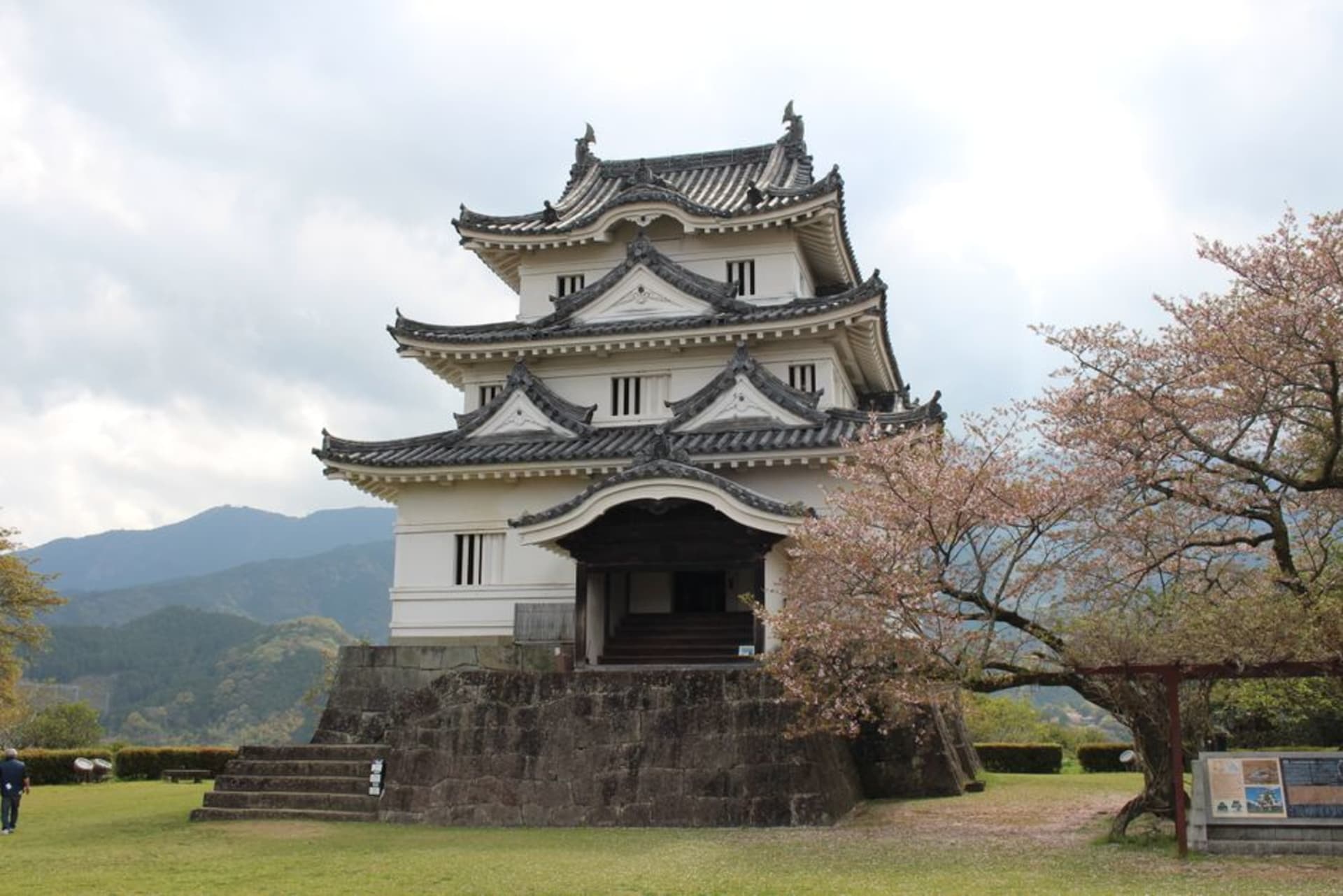
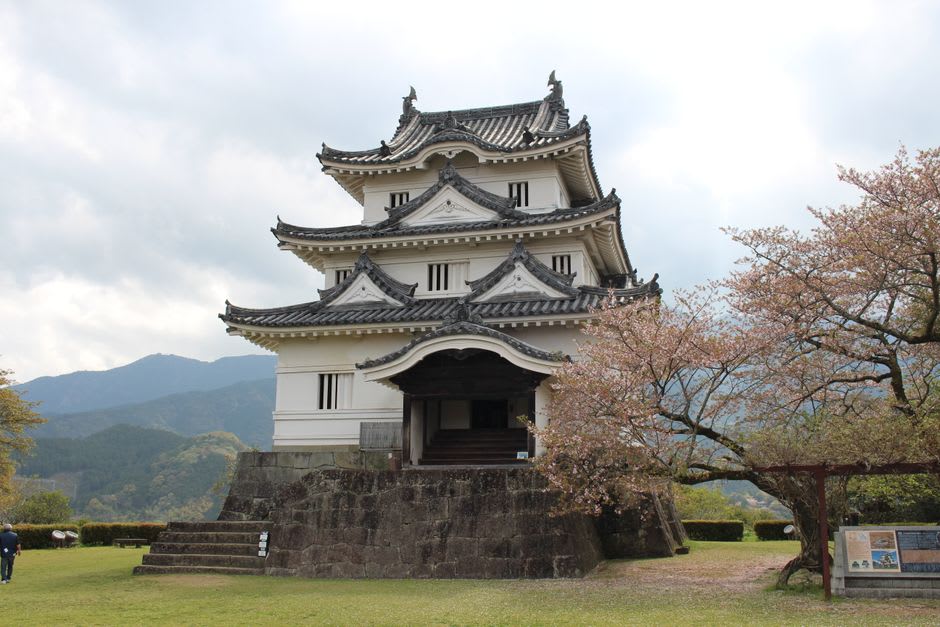
Uwajima Castle is one of only twelve original keeps left in Japan, and you feel that word — original — in your knees before you feel it anywhere else. The climb up through the trees is steep and unpaved in places, and Lia and I went quiet the way you do when a path expects something of you. Then the keep appears, small and dark and impossibly composed, three tiers of it standing exactly where they were raised four centuries ago. We had it almost to ourselves. From the top window the whole ria coast unfolded, all those drowned valleys full of sea, and I put my hand on a beam worn smooth by four hundred years of other hands and understood, for once, what people mean by permanence.
Pearls and the patient bay
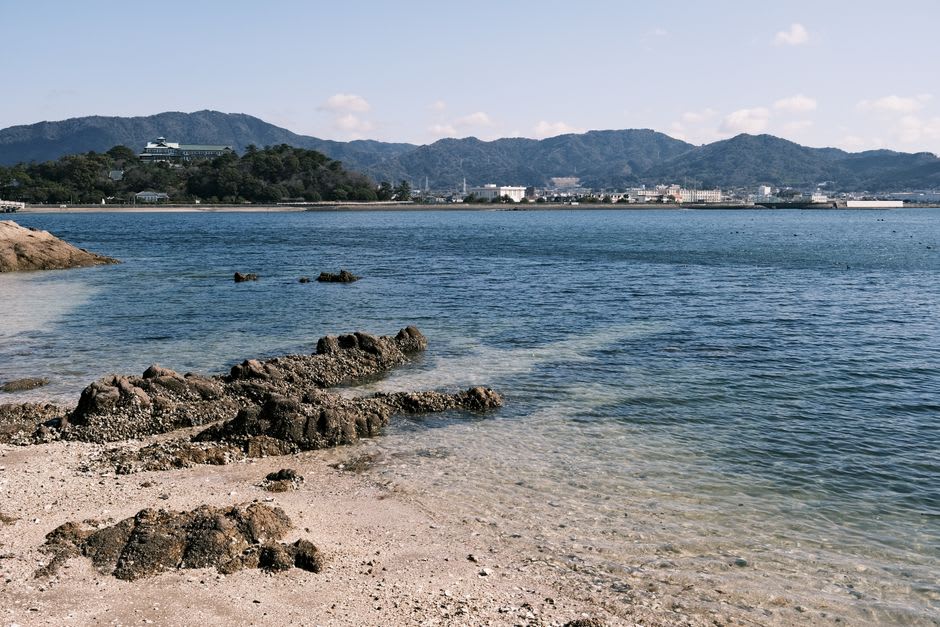
The next morning we took a boat out into Uwajima Bay, where the pearl farms float in long dark rows, each raft tending oysters that spend years making one small stubborn thing. Our boatman, weathered to the color of the ropes he handled, showed Lia how a shell is opened and how rarely it gives up what you hope for. She held a raw pearl in her palm, still wet, and it looked nothing like the ones in shop windows — rawer, stranger, more alive. We ate our lunch on the water: tai-meshi, sea bream stirred raw into hot rice with a cracked egg and soy, a dish so simple and so good that we barely spoke through it, just looked at the hills and chewed.
The bulls and the shrine
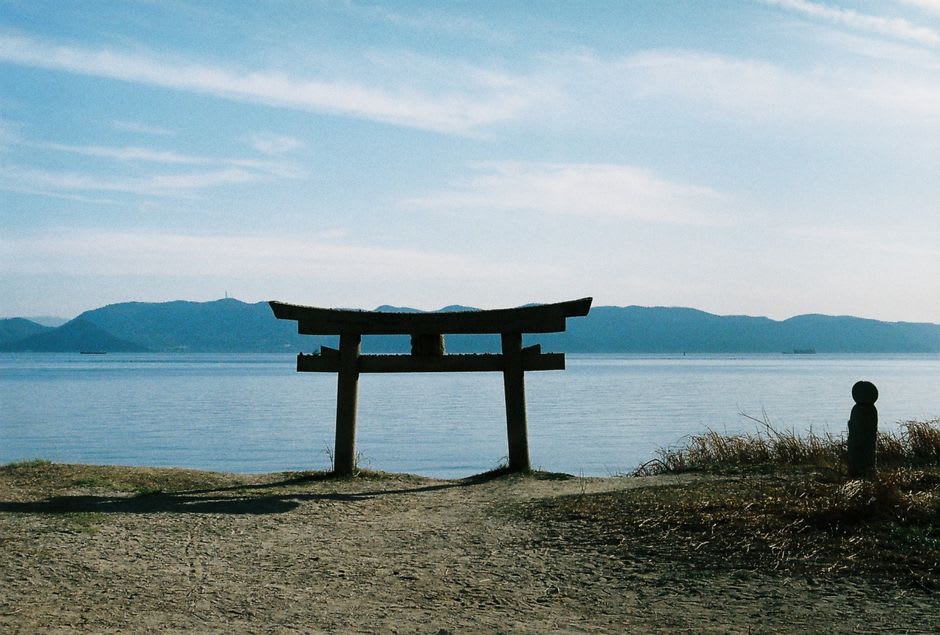
Uwajima is famous for togyu, its bull-sumo, where two enormous animals lean and shove until one turns away, and I confess I went expecting to dislike it. But the ring was more village gathering than spectacle — grandmothers, children, men who clearly knew each bull by name — and there was a strange tenderness in how the handlers spoke to the animals afterward, foreheads pressed to their flanks. Later we walked to Warei Shrine, quiet after the noise, and Lia lit a small offering for no reason she could name. The vermilion had faded to the color of dried persimmon. A cat slept on the stone lantern and did not care that we existed, which felt, somehow, exactly right for this town.
Getting There
Uwajima sits at the southwestern end of the Yosan Line, reached by limited express from Matsuyama in about ninety minutes through some of the prettiest coastal rail in Shikoku — sit on the sea side. From Uwajima Station the castle is a fifteen-minute walk, and the pearl-bay boats and the togyu ring are short taxi or bus rides. We stayed two nights and wished we had made it three; this is a town that rewards you for slowing to its speed rather than dragging it up to yours.
Keep exploring
More of Shikoku