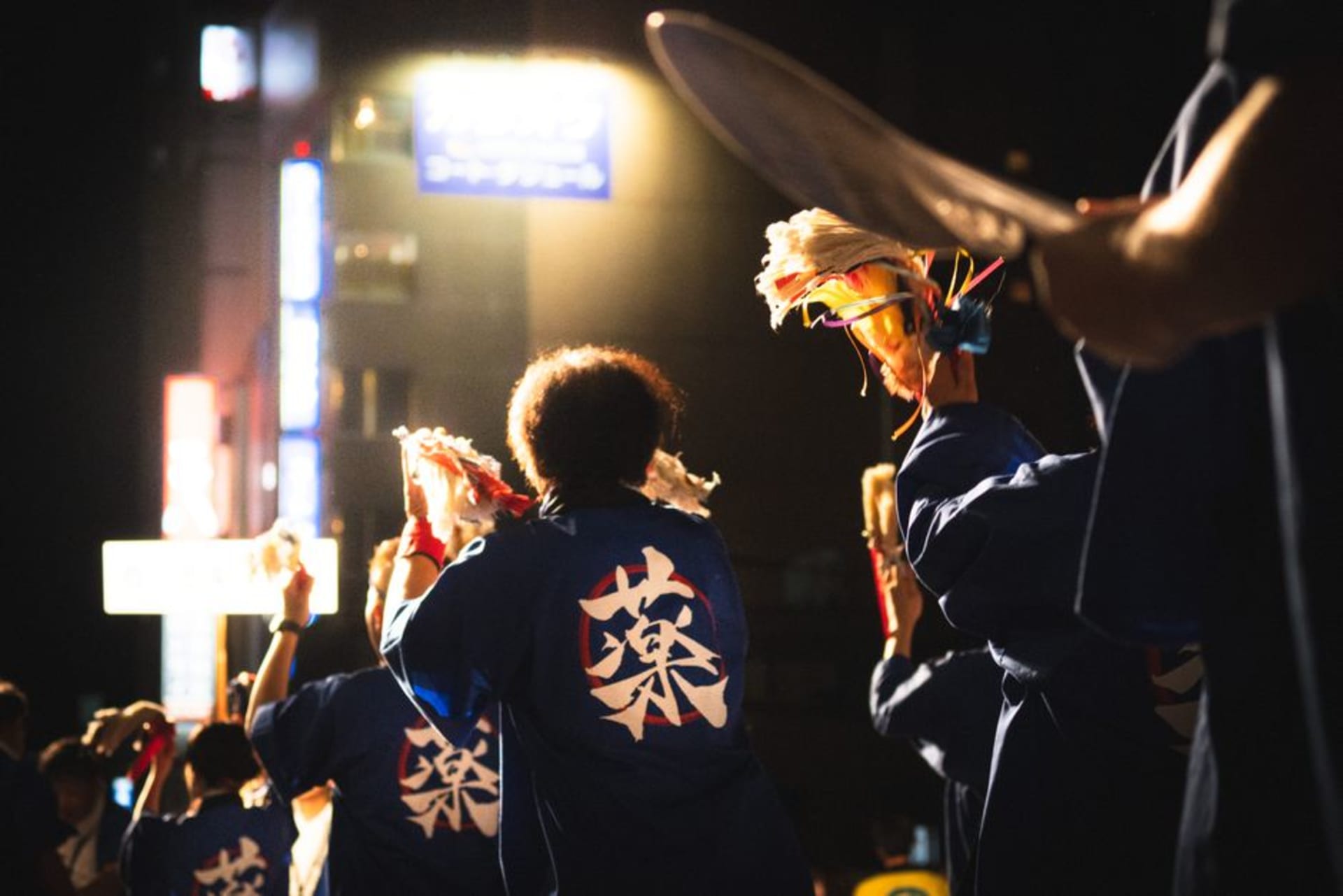
A city that spends most of the year quietly and then, for a few August nights, loses its mind to dance. Between the whirlpools of Naruto and the drum of the Awa Odori, Tokushima taught us to stop watching and join in.
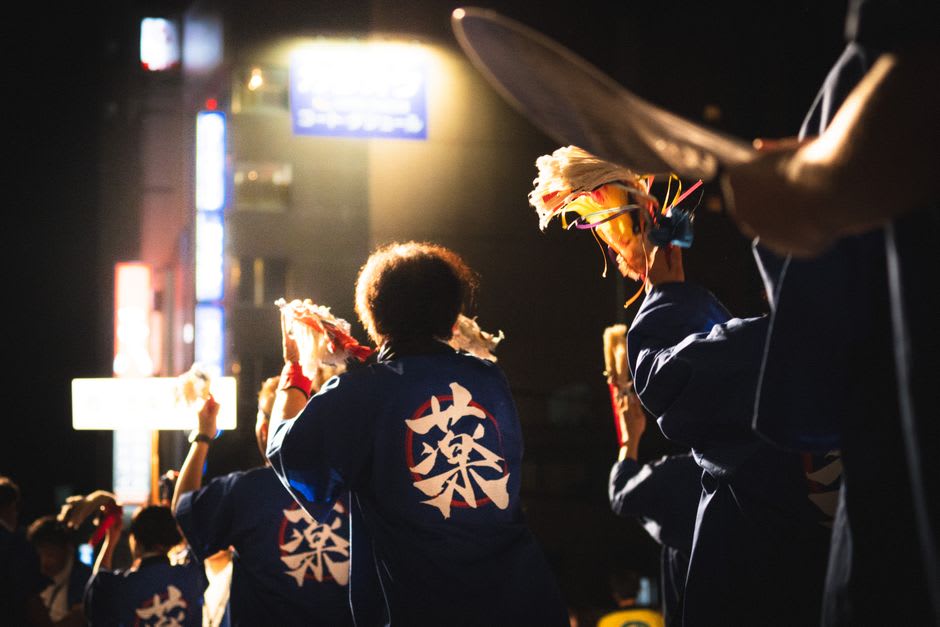
There’s a chant that runs under the whole Awa Odori festival, and someone translated it for us on our first night: the dancers are fools, the watchers are fools, so if you’re a fool anyway, you might as well dance. Lia took this as a personal instruction. We had come to Tokushima half by accident — timing our August wrong or right, depending on how you feel about crowds — and within an hour a woman in a straw hat had pulled us out of the spectator line and into a moving river of people. I have never been a dancer. I danced.
The dance that swallows the city
Awa Odori is not a performance you attend so much as a tide you get caught in. For four nights in mid-August, teams called ren pour through the streets to the two-beat pulse of drums, flutes, and shamisen — the women gliding in high geta and half-moon hats, the men crouched low and loose. It is ecstatic and slightly unhinged and utterly without irony. We watched from a paid grandstand for an hour, then abandoned it for the free streets, where the boundary between dancer and crowd dissolves entirely. By midnight my legs ached in muscles I didn’t know performed dancing. Lia’s face was pure joy.
Naruto, where the sea turns in circles
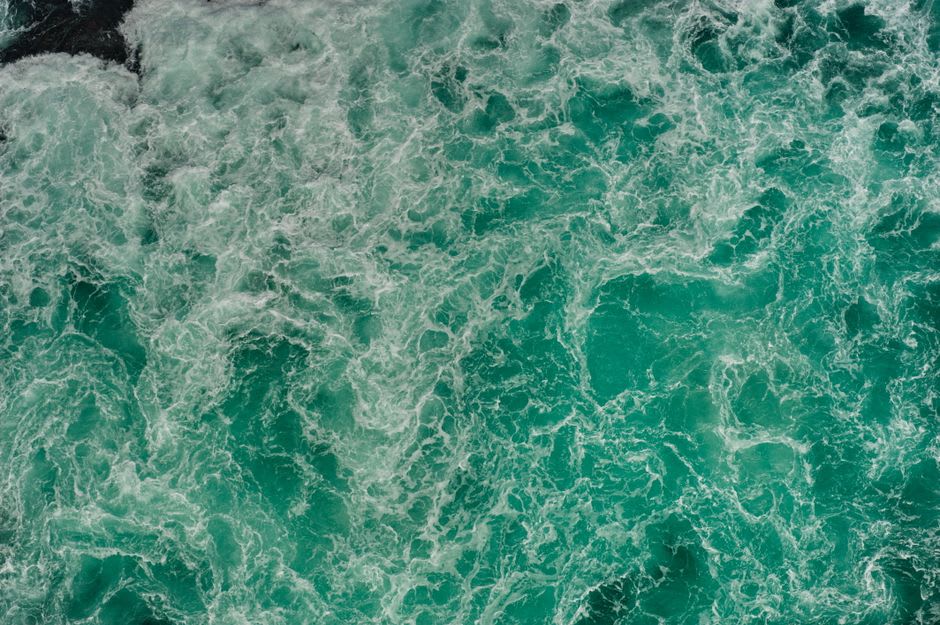
North of the city, under the huge suspension bridge that links Shikoku to Awaji Island, the sea does something I still don’t fully believe. At certain tides the Naruto Strait spins into whirlpools — real, roaring vortices, some wide enough to swallow a small boat’s worth of water. We took a sightseeing cruise that nosed right up to the edge of the churn, and then walked out on Uzu-no-Michi, a glass-floored gangway slung beneath the bridge deck. Standing on glass with the whirlpools turning fifty meters below, Lia gripped my arm hard enough to leave a mark. The timing matters here — the biggest whirls come near the spring tides, so we’d checked the tide table like anxious sailors.
Rivers, mountains, and quieter days
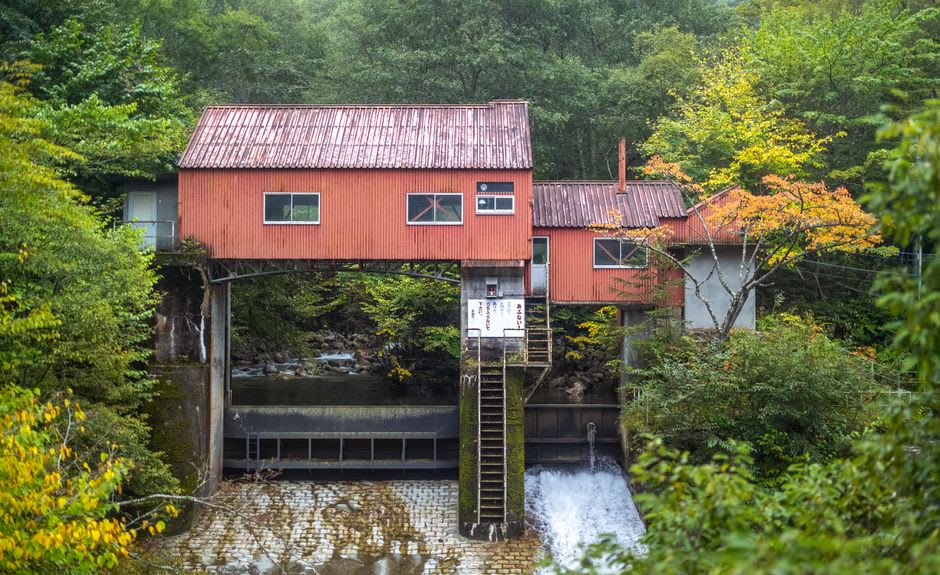
Strip away the festival and Tokushima is a green, riverine prefecture that most travelers rush straight through. We didn’t. We spent an afternoon along the Yoshino River, wide and slow, and drove up toward the mountains where the roads narrow and the villages thin out. There’s a working ropeway up Mount Bizan that gives you the whole city laid against the sea, and at the summit an unexpectedly moving monument. Even the pilgrims pass through here — Tokushima holds the first of the eighty-eight temples on the Shikoku circuit, and we watched white-clad walkers setting out, bells on their staffs, at the very start of something long.
Getting There
Tokushima sits on Shikoku’s east coast, closest to the Kansai region. From Osaka, highway buses run across the Awaji Island bridges in around two and a half hours and are the simplest option. By train you’ll usually route through Takamatsu or over from Okayama. The city has a small airport with Tokyo flights. If you’re chasing Awa Odori, come in the second week of August and book your bed months ahead — the whole prefecture fills. For Naruto, local trains and buses reach the bridge area, but check the tide charts before you commit to a time; the whirlpools keep their own schedule, and they do not wait for you.
Keep exploring
More of Shikoku