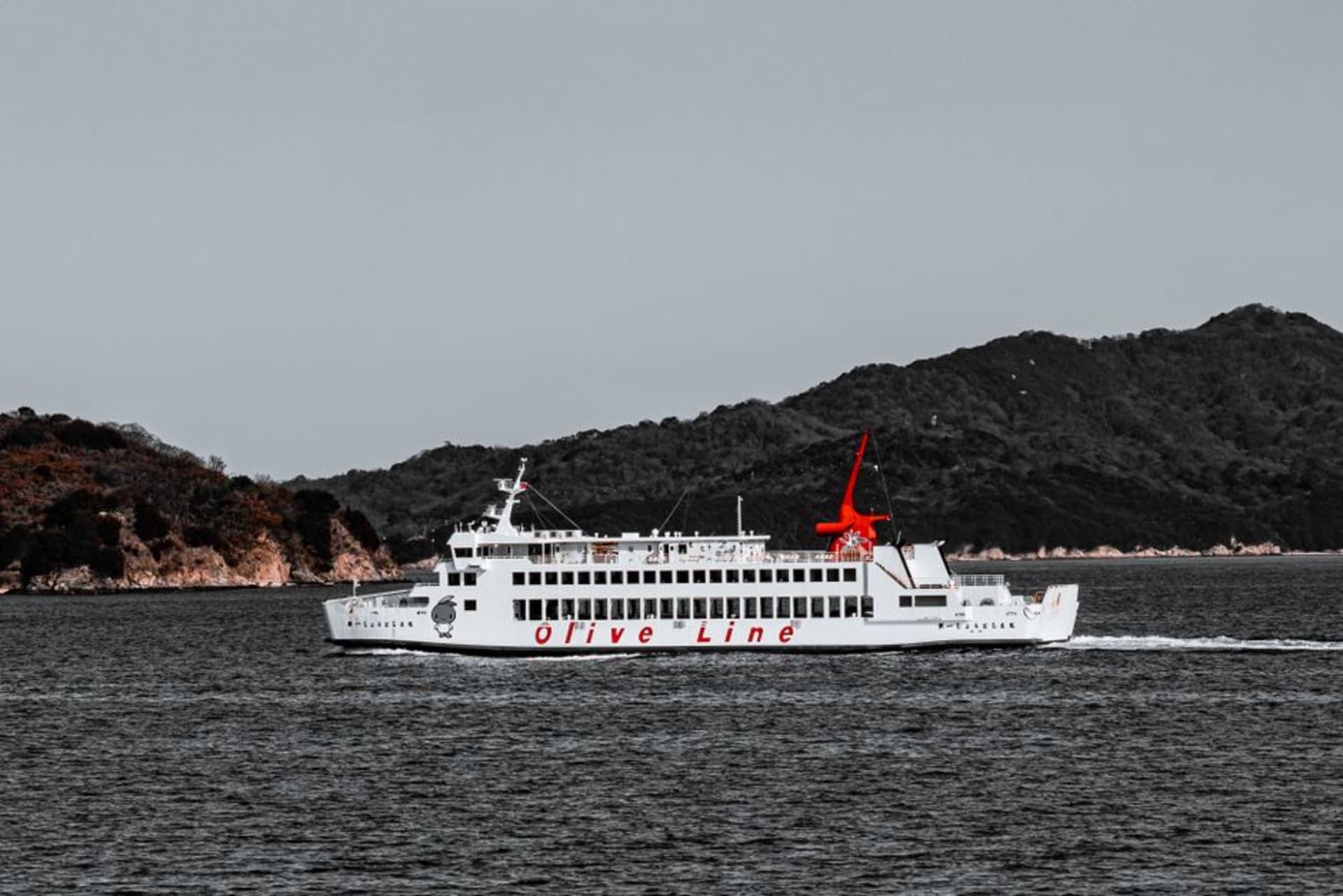
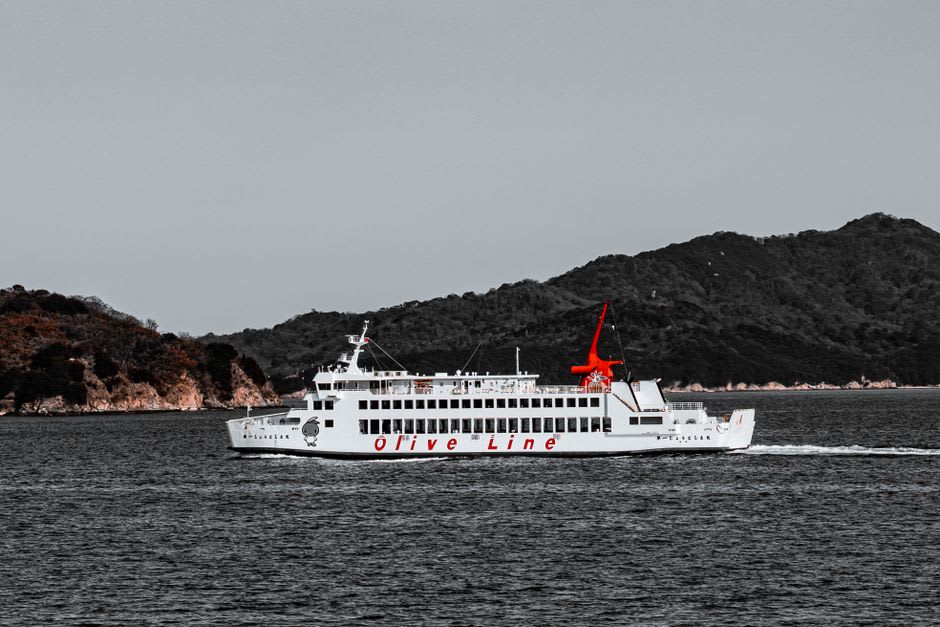
An Inland Sea island that smells of olives and the sea, where a Mediterranean daydream sits beside a raw stone gorge and soy-sauce breweries fill the air with dark, sweet steam. Shōdoshima was our slow goodbye to the Setouchi.
We nearly skipped Shōdoshima. It was one island too many at the end of a long trip, and I remember Lia and I debating it over breakfast, ferry schedule open on the table. Then someone at the guesthouse said the word “olives,” and we both looked up. Olives, here, on an island in the Seto Inland Sea. It was too strange to pass. We took the boat, and within an hour of landing — walking through a hillside grove of silver-leaved trees above impossibly blue water — we’d stopped trying to reconcile it with Japan and just let the island be its own peculiar Mediterranean self.
The olive island’s borrowed sun
Shōdoshima has grown olives for over a century, ever since Japan went looking for somewhere with the right dry warmth and this island answered. Now there are groves everywhere, a windmill imported straight from a Greek postcard, and a whole small industry of olive oil, olive soap, even olive-leaf tea. It should feel like a theme park and somehow doesn’t — the light really is different here, softer and drier than the mainland, and the sea below the groves is the pale turquoise of somewhere much further south. We bought a bottle of green, peppery oil pressed a few fields away and ate it that night on bread, watching the ferries cross.
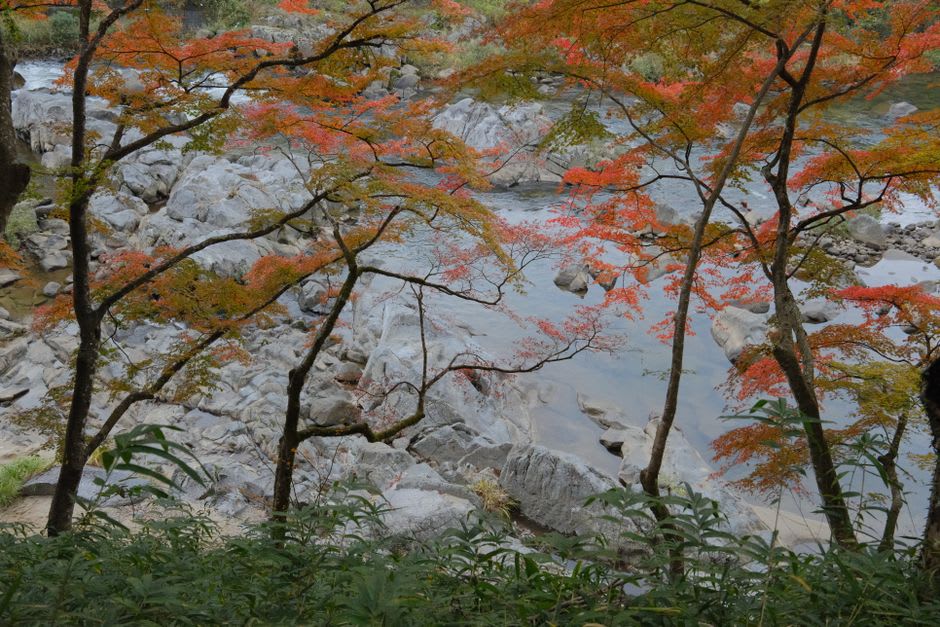
Kankakei, a gorge cut by patience
The island’s soft south hides a hard heart. Inland the land rears up into Kankakei, a gorge of raw volcanic rock rated among the most beautiful in Japan, and a cable car carries you up through it. We rode in autumn, when the maples turn the cliffs to fire, the car swinging over ravines while pinnacles of grey stone pushed up through the red. At the top we walked the ridge trails until our legs complained, the whole Inland Sea and its scattered islands laid out silver below. Lia, who claims not to like heights, spent the entire ride with her face pressed to the glass. It is the kind of view that quietly rearranges your sense of scale.
Angel Road and the smell of soy
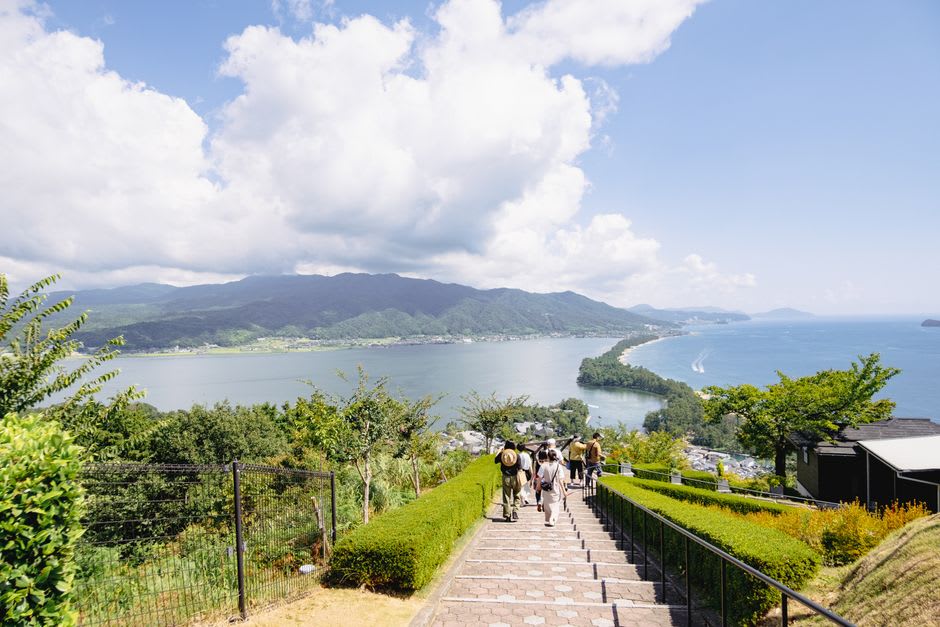
Twice a day the tide pulls back and a ribbon of sand rises from the sea, linking a chain of little islets — Angel Road, the locals call it, and you can only walk it for a few hours around low water. We timed it deliberately, crossing the wet sand hand in hand because that, apparently, is the tradition, and feeling only slightly foolish about it. Later we followed our noses to the island’s other, older craft: soy sauce. Shōdoshima has brewed it for four hundred years, and a cluster of wooden breweries still ferments it in vast cedar barrels. The whole neighborhood smells of dark, sweet, umami steam. We ate soy-sauce ice cream, which sounds wrong and tastes like caramel, and agreed it was the right note to end on.
Getting There
Shōdoshima is reached only by boat, which is part of its charm. Ferries run frequently from Takamatsu on Shikoku — the shortest and most common crossing, about an hour — and there are also boats from Okayama and several ports around the Inland Sea. Once ashore you’ll want wheels: local buses connect the main sights but run on their own unhurried logic, so many visitors rent a car or scooter. Time your day around two things — the Kankakei cable car and, above all, the Angel Road tide table, which is posted at the site and online. Miss the low tide and the sandbar simply isn’t there. Plan for it, and the island gives you one of the softest days in the whole Setouchi.
Keep exploring
More of Shikoku