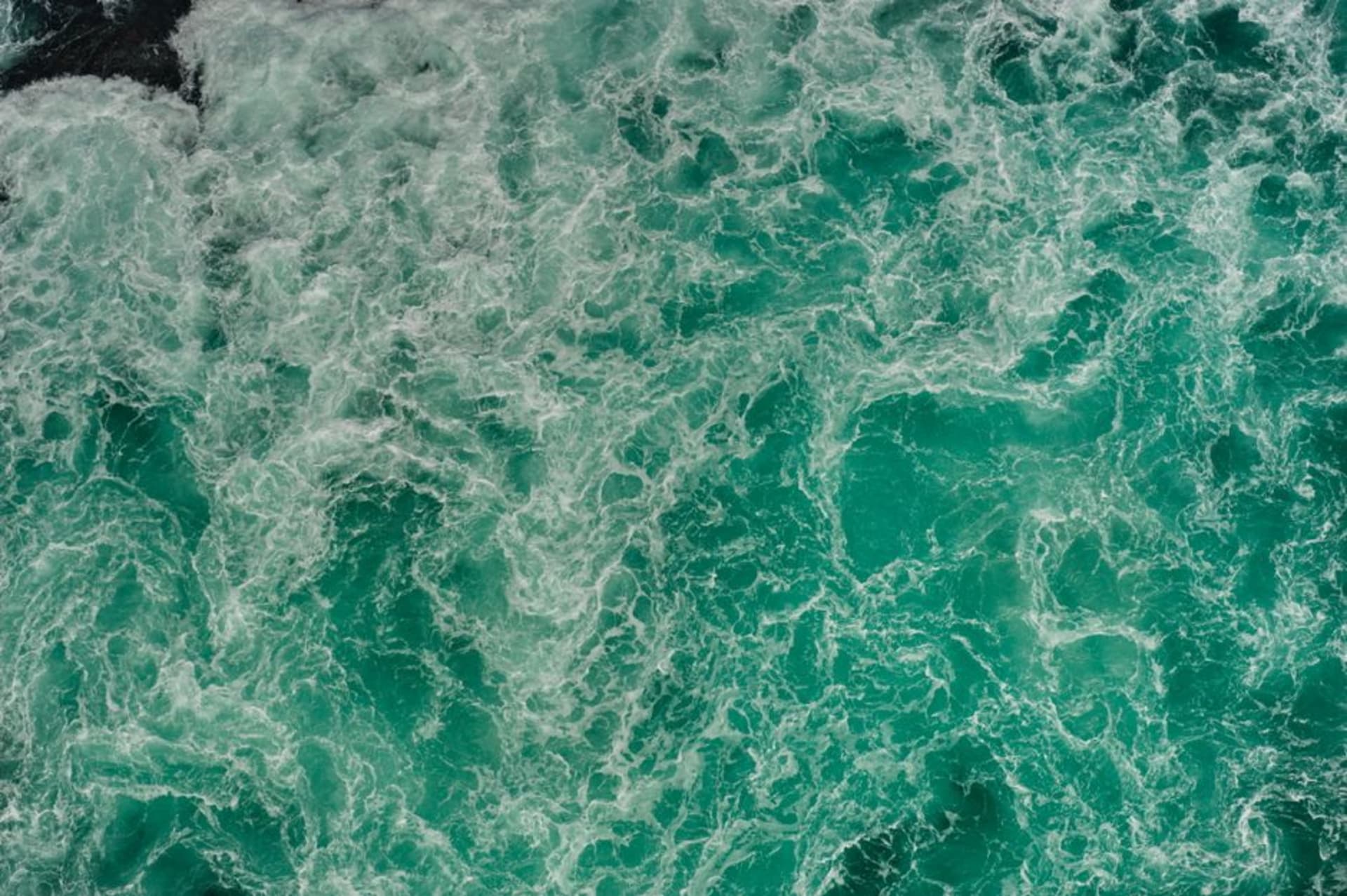
A ragged corner of Shikoku where the tide itself roars. Naruto is whirlpools, a great white bridge, and the strange calm of a museum that holds the world's masterpieces in ceramic. We came for the water and stayed for the quiet after it.
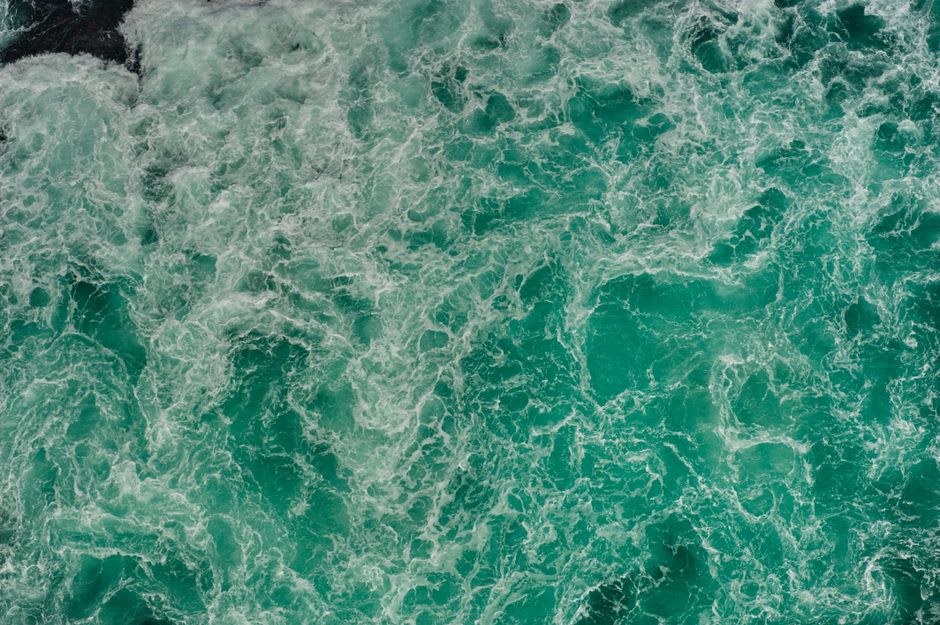
Lia gripped the railing before I did. We were standing on a glass panel forty-five metres above the Naruto Strait, inside the walkway they call Uzu-no-Michi, and directly beneath our feet the sea had stopped behaving like the sea. It spun. Great grey coils of water opened and closed, swallowing the light, and a low growl came up through the steel that I felt in my teeth before I heard it. “That’s not normal,” she said, half laughing, and she was right. Twice a day the Pacific and the Inland Sea trade places through this narrow gap, and for an hour the water goes mad. We had timed our arrival by a tide chart taped to the wall of our guesthouse, and for once in my travelling life the timing held.
The Whirlpools and the Bridge
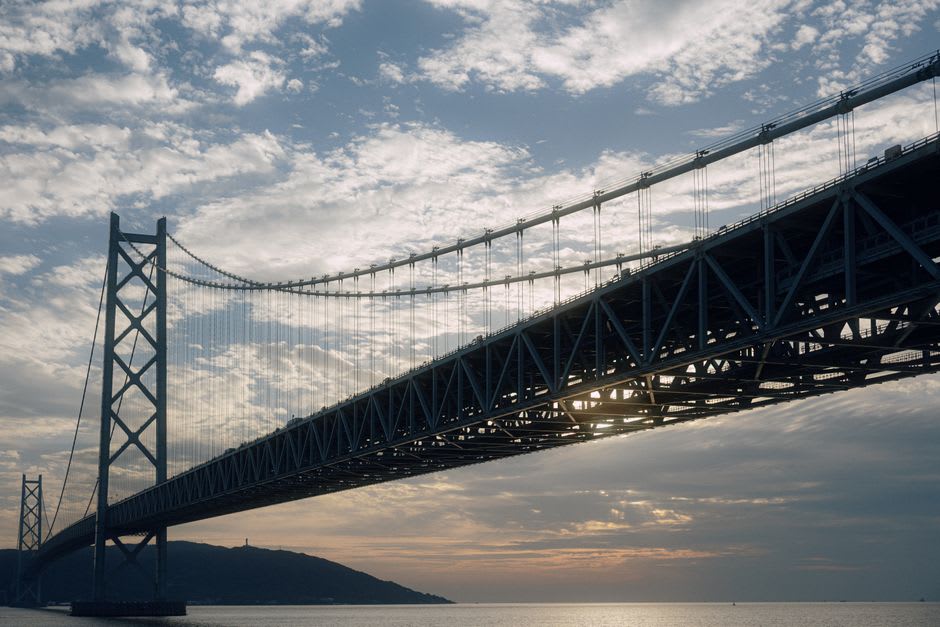
The whirlpools of Naruto are not a legend polished up for tourists. They are physics, brutal and punctual. When the tides run hardest, the vortices can open wider than a house, and boats keep a respectful distance while the water turns itself inside out. We watched from the Uzu-no-Michi first, that long observation walkway slung under the Ōnaruto Bridge, and then again from a sightseeing boat that pushed right up to the edge of the churn. The Ōnaruto Bridge itself is worth the neck strain — a white suspension span leaping across to Awaji Island, humming with traffic while the chaos plays out underneath. I have seen a lot of coastlines. I have never seen one that sounded angry.
A Museum Made of Fire
Then, because Japan loves to follow the wild with the improbable, we walked into the Ōtsuka Museum of Art. It is enormous, carved into a hillside, and everything inside it is a fake — deliberately, gloriously so. Every painting is a full-size ceramic reproduction, fired onto plates so they will supposedly survive two thousand years. The Sistine Chapel ceiling, Monet’s water lilies, Guernica, van Gogh’s sunflowers, all of it rendered in glazed tile. I expected to feel cheated and instead felt oddly free. Nobody hushed us. Lia stood a hand’s width from a Vermeer and no alarm sounded. We spent three hours there and covered, they claim, a thousand works. My feet said it was more.
Temple Number One
Naruto is also where a very long walk begins. Ryōzenji, tucked in the hills at the town’s edge, is the first of the eighty-eight temples on the Shikoku pilgrimage, and pilgrims come here to buy their white vests and staffs before setting out on a loop that can take two months on foot. We were not walking the eighty-eight, but we bought incense anyway and stood in the courtyard among people who were — some visibly nervous, one old man lacing his boots with the focus of a soldier. There is a particular energy at a starting line, and this one has held it for twelve centuries. Lia lit a stick, said nothing, and I understood the impulse. Beginnings deserve a small ceremony.
Getting There
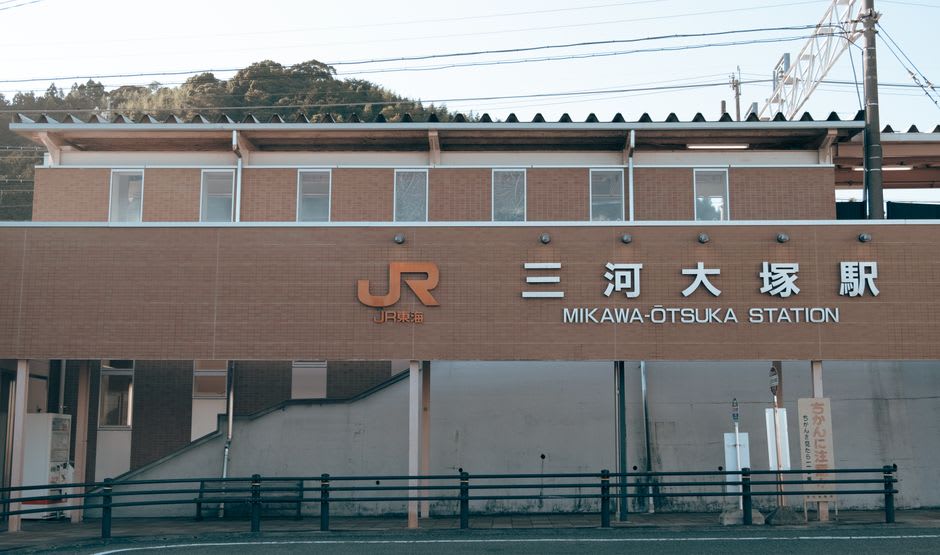
Naruto sits at the northeastern tip of Tokushima Prefecture. Most travellers arrive by highway bus from Osaka or Kobe across the Awaji Island bridges — around two hours, and a genuinely beautiful ride. From Tokushima city, local trains run to Naruto Station in about forty minutes, though you’ll want a local bus or taxi to reach the strait and the Uzu-no-Michi, which sit a way out on the cape. Check a tide table before you commit to a day; the whirlpools are strongest around the new and full moons, and a slack tide will show you nothing but pretty water.
Keep exploring
More of Shikoku