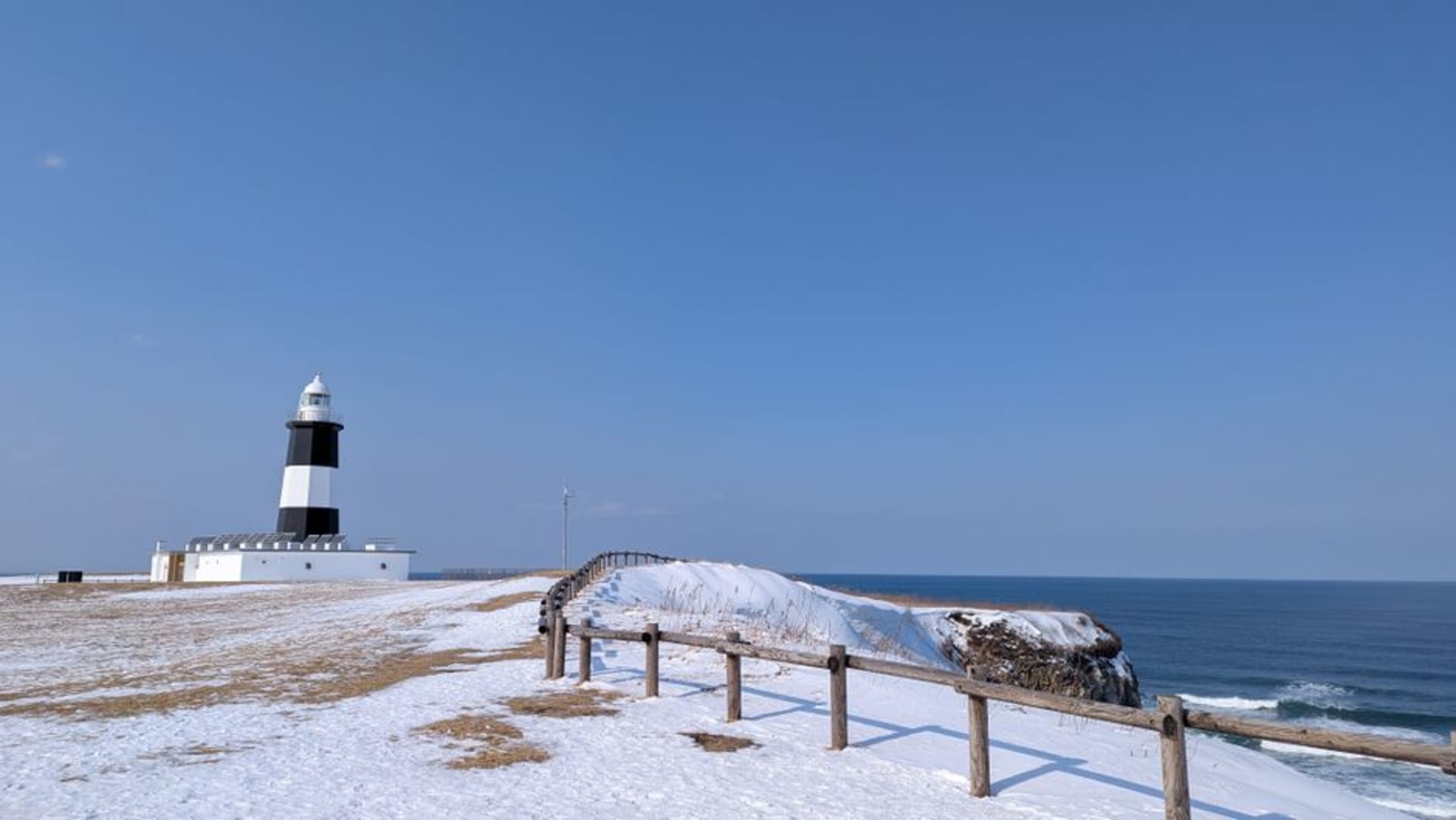
A small Tokushima town on the Pacific edge of Shikoku, where sea turtles come ashore to nest and a white lighthouse keeps watch over water so blue it looks dyed. Mugi is the kind of place you reach at the end of a road and wonder why you ever hurried anywhere.
We almost didn’t stop in Mugi. It was late afternoon, we’d been driving the Tokushima coast for hours, and the town looked, from the road, like a scatter of tiled roofs and fishing boats. Then Lia made me pull over at a gap in the guardrail because the sea below had gone a blue she didn’t have a word for — not turquoise, not navy, something deeper and more saturated, the water so clear you could see the pale sand shelving away beneath it. “That’s not a colour,” she said, “that’s a claim the water’s making.” We ended up staying the night in a minshuku run by an elderly couple who fed us grilled fish caught that morning and seemed genuinely puzzled that two Europeans had found their town at all.
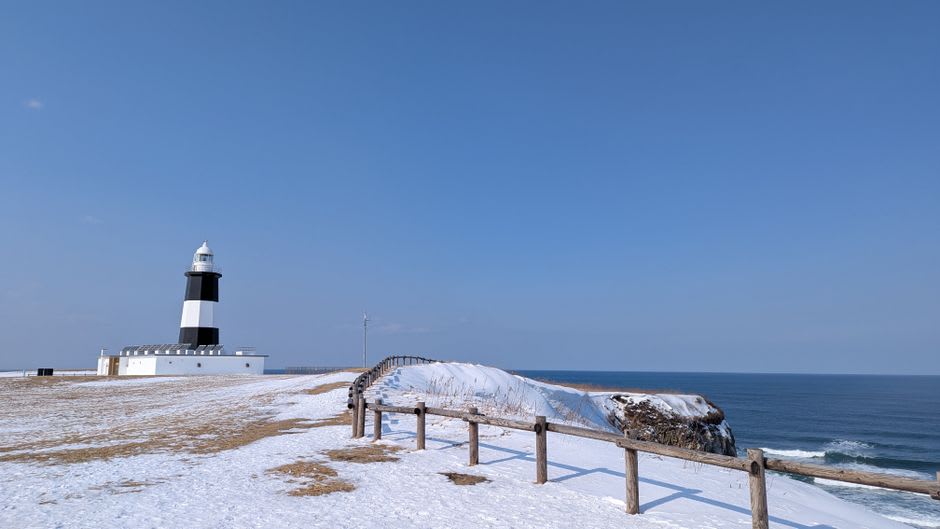
The lighthouse at Mugizaki
The Mugizaki lighthouse stands white and plain on a green headland at the town’s southern tip, and the walk out to it is short and worth every step. From the base the coastline unspools in both directions, all folded rock and that impossible blue, with the open Pacific running clear to the horizon. There’s a small weather station up there and not much else — no gift shop, no vending machines, just wind and the far-off drone of a fishing boat. We arrived near sunset and had the whole headland to ourselves. Lia sat on the low wall with her legs hanging over the drop, and I stood well back, because one of us has to be the sensible one.
Turtle beach
The wide arc of sand at Ōhama is one of the places where loggerhead sea turtles still haul themselves ashore in summer to lay their eggs, and the town takes fierce, quiet pride in it. There’s a small turtle museum, Caretta, near the beach, where we learned more about sea-turtle biology than I strictly needed to know from a very enthusiastic volunteer. We weren’t there in nesting season, so the beach was empty except for a man throwing a stick for his dog. But standing on that pale crescent of sand, imagining the ancient animals dragging themselves up it under a summer moon, gave the ordinary beach a weight it wouldn’t otherwise have had. Lia collected exactly one smooth stone, as is her custom, and we left the sand to the turtles.
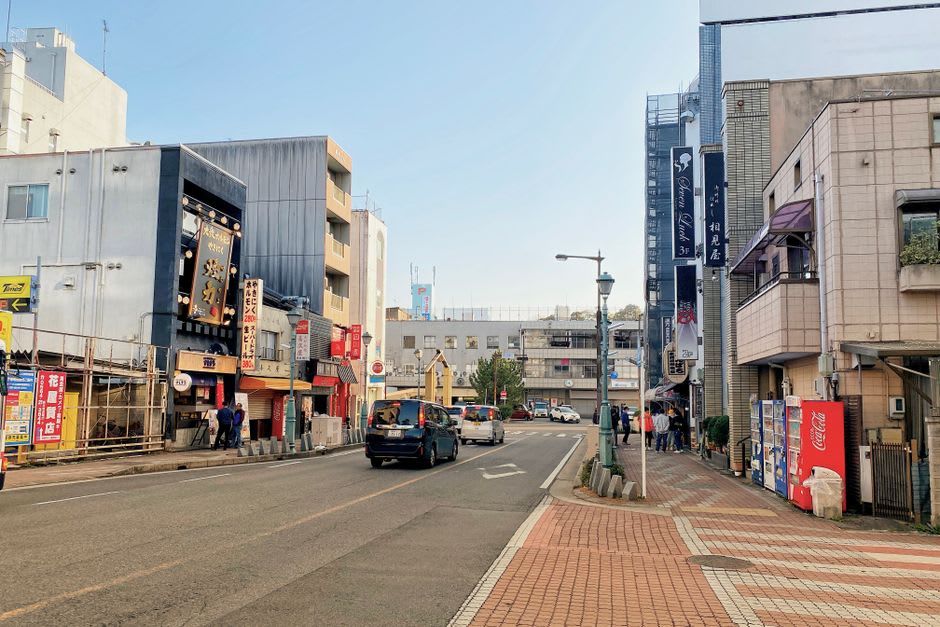
The old harbour town
Behind the beaches, Mugi’s old quarter is a tangle of narrow lanes lined with weathered wooden houses, some with the plastered white namako walls that mark an old merchant’s town. We wandered it in the morning with coffee from a vending machine, passing a tiny shrine tucked between two homes, an old woman sweeping her step, cats asleep on warm stone. There is nothing to do here in the tourist sense, which is exactly the point. A fisherman mending a net outside his door nodded at us and said something in a dialect I couldn’t follow, and Lia bowed back, and that was the entire transaction, and it was lovely.
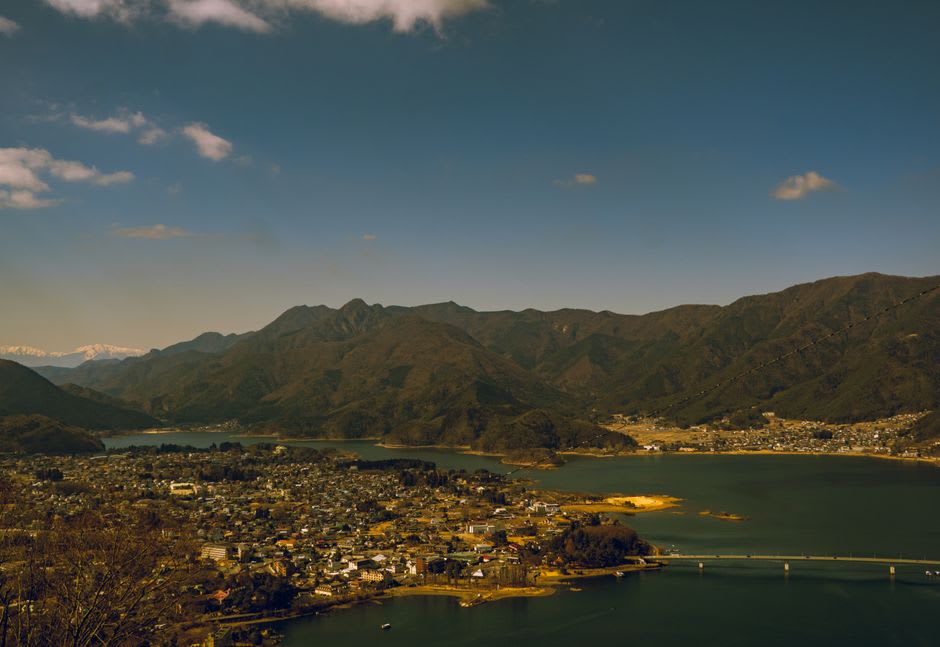
Getting There
Mugi lies on the southeastern coast of Tokushima Prefecture, on Shikoku, along the scenic Route 55 that hugs the Pacific. The Mugi station sits on the JR Mugi Line, reachable from Tokushima city in around an hour and a half by local train — the ride itself, threading between mountains and sea, is half the pleasure. That said, a car gives you the freedom to stop at every guardrail gap where the water turns unreasonably blue, and to reach the lighthouse and the turtle beach at your own pace. Come in summer if you want any chance of the nesting turtles; come off-season, as we did, if you want the coast almost entirely to yourselves.
Keep exploring
More of Shikoku