Mima
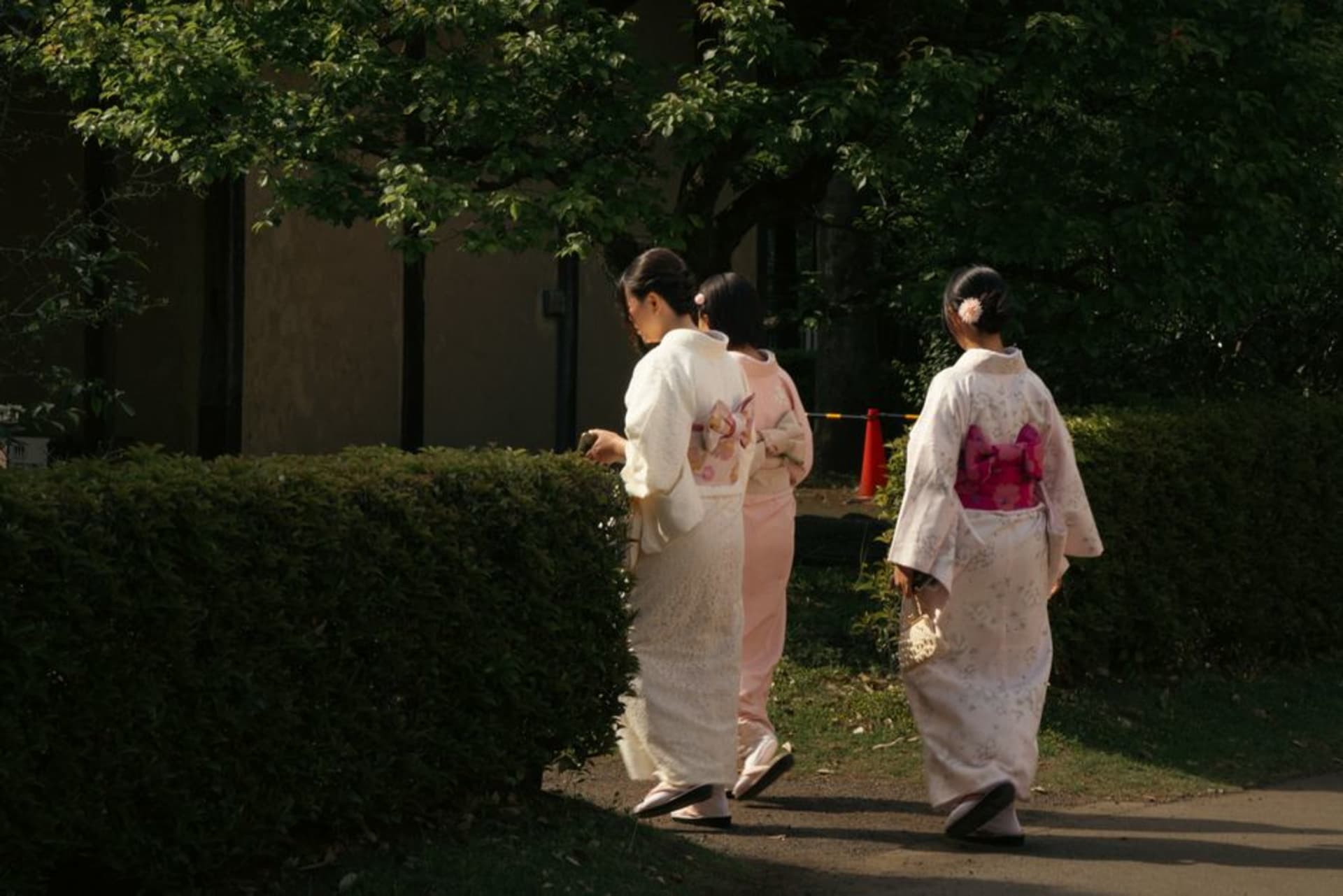
"Lia ran her fingers along a two-hundred-year-old plaster wall and said, quietly, that it felt like the town was still breathing."
A river town in Tokushima where a single Edo street survives almost whole — the white-plastered homes of the old indigo merchants, crowned with ornate fireproof udatsu gables that were once a quiet boast of wealth. It is history you can walk down slowly, with the Yoshino River at its back.
Mima does not announce itself. We nearly skipped it — one more small town in inland Tokushima, easy to let slide past the train window — and stopping there turned out to be one of those small, lucky decisions a trip quietly pivots on. The old merchant street of Wakimachi runs a few hundred meters through the middle of town, and stepping onto it is like stepping through a fold in time: white-walled houses shoulder to shoulder, their upper storeys crowned with the strange, ornate gables the whole place is famous for, and almost nothing to remind you which century you’re actually standing in. Lia went silent, which with her means something has landed.
The gables that meant money
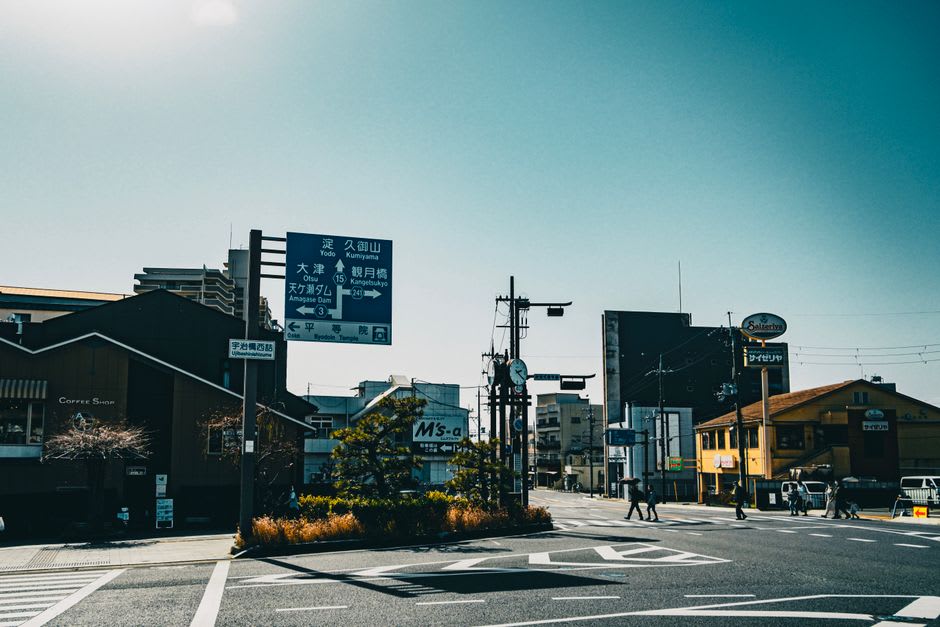
The udatsu are the thing to understand here. They are raised fireproof walls that project up from the roofline between neighboring houses, and in Edo times they cost enough that only a prosperous merchant could afford them — so they became a boast made in plaster, a way of saying, without a word, that this family had done well. Mima’s indigo dealers did very well indeed, and the street is a row of quiet flexes two centuries old. There’s even a phrase in Japanese, our innkeeper told us, about someone who “can’t raise their udatsu” — meaning they never quite get ahead. Lia adopted it immediately as her favorite piece of the whole trip’s vocabulary.
Blue that built a town
All this wealth came from a color. This part of the Yoshino River valley grew the plant that made aizome, Japanese indigo, and Mima’s merchants shipped that deep, living blue across the country. In one of the old houses now open to visitors we watched a dyer lower cloth into a vat and lift it out green, then watched the air itself turn it blue before our eyes — the strangest, most patient magic. Lia bought a small hand-dyed cloth, and I bought a handkerchief I still carry, its blue so dark it’s nearly the color of the river at dusk. The dyer’s hands were stained to the wrist, permanently, the mark of the trade written right into his skin.
The river and the long light
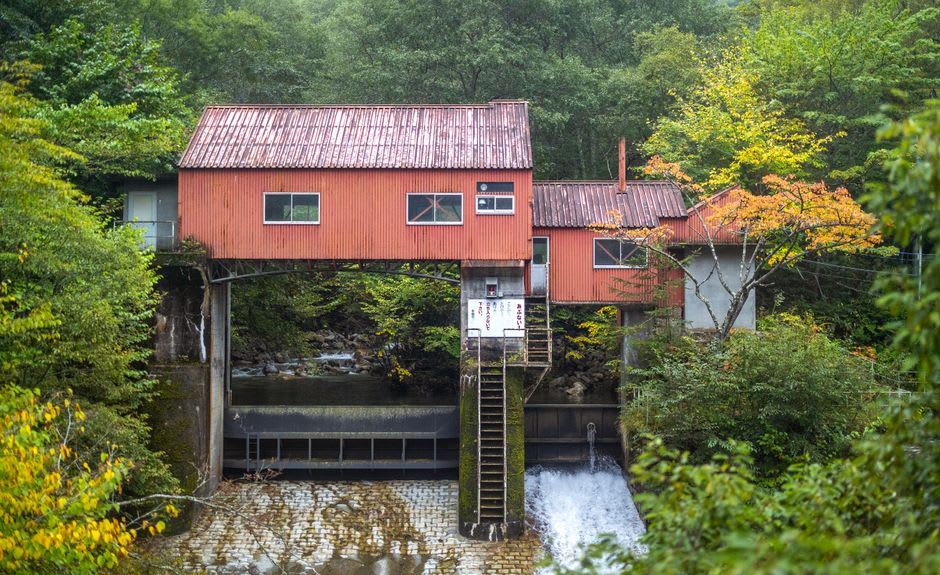
In the late afternoon we walked down to the Yoshino River, wide and slow at the town’s edge, the same water that once floated indigo down to the sea and made all these gables possible. The light went long and amber and lay flat along the old street, and for a while we simply sat on the bank saying nothing much. A grandfather taught his grandson to skip stones a little way down. Someone’s laundry — indigo, of course — flapped on a line. I have been in grander places in Japan and remember fewer of them as clearly as this ordinary golden hour by a river in a town that almost let itself be forgotten and, somehow, didn’t.
Getting There
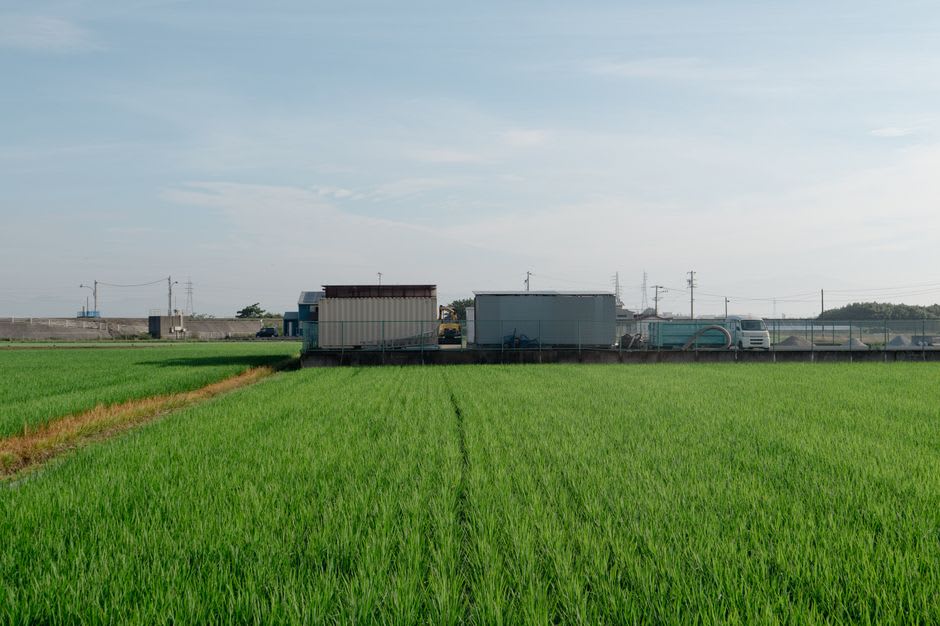
Mima is on the JR Tokushima Line in the Yoshino River valley; the Wakimachi udatsu street is a short walk or taxi from Anabuki Station, roughly an hour by train from Tokushima City. It makes a natural pairing with the Iya Valley or Oboke gorges further up the same river if you have a car. Give the old street an unhurried afternoon — the pleasure here is entirely in the walking slowly and the noticing, and it rewards both.
Keep exploring
More of Shikoku