Anan
"We waited on the sand in the dark for turtles, and even the not-seeing felt like a gift."
A long, unhurried stretch of Tokushima coast where loggerhead turtles still haul themselves up dark beaches to nest, and a scatter of green islands breaks the Pacific into quieter water. It is Shikoku's warm, salt-bleached edge, far from any crowd.
The bus to Anan let us out where the road more or less gives up arguing with the coast and just follows it, bend after bend of Pacific on one side and tangled green hill on the other. There is no headline sight here, no thing you are meant to photograph and leave, and that was precisely why we’d come. Lia had read one line in a guidebook about turtles nesting on these beaches and decided, in the way she decides things, that we would go and simply be near that. So we did. We spent three days doing almost nothing along this coast, and I think of them constantly.
The turtle beaches
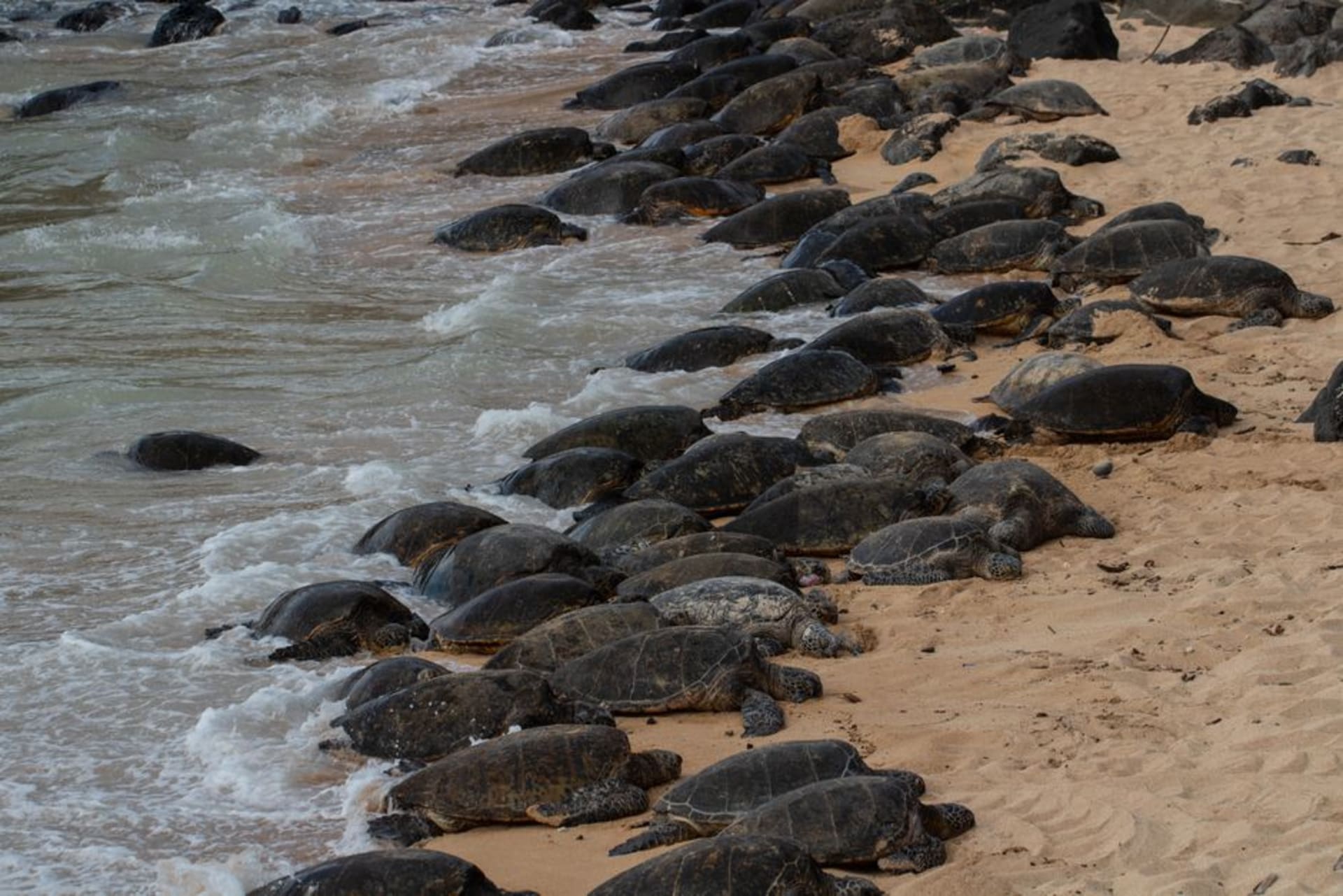
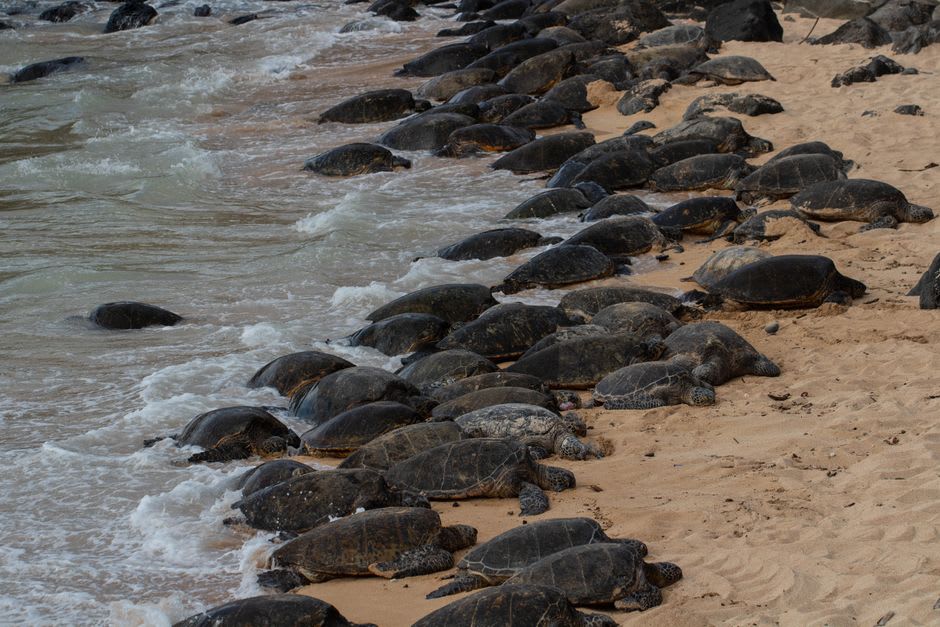
The great loggerheads come ashore on the dark sand beaches of this coast in early summer to lay their eggs, and the towns here have learned to guard them fiercely — no lights, no noise, no walking where the nests might be. We joined a small evening watch, a handful of us kept well back under a red-filtered lamp while a volunteer scanned the tide line. No turtle came that night. And yet standing in that warm dark, listening to the surf and the low voices of people who clearly loved these animals, I felt none of the disappointment I expected. Lia squeezed my hand and whispered that the waiting was the point. She was right, as she annoyingly often is.
Kamoda Cape and the wind
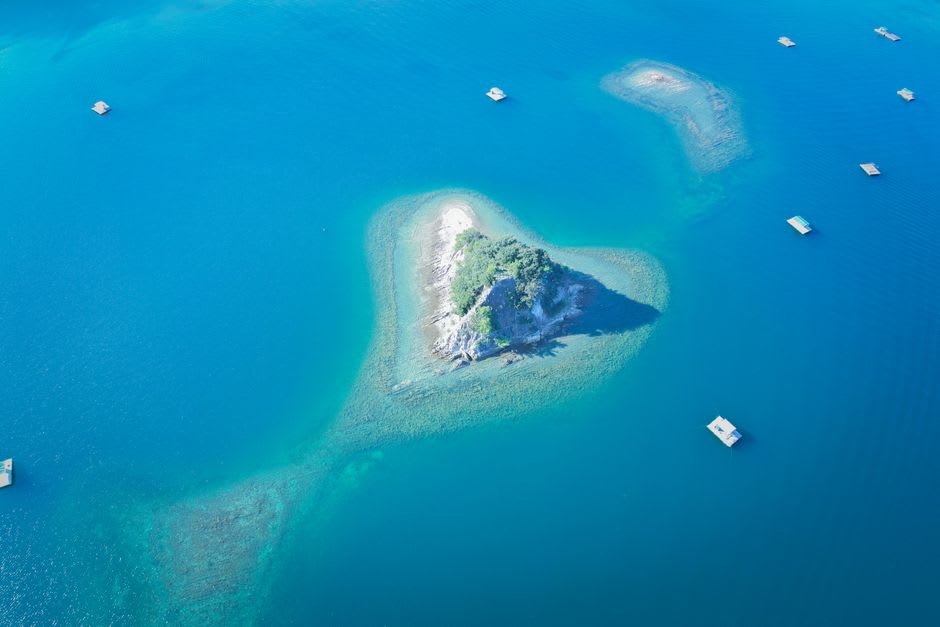
By day we walked out to Kamoda Cape, the blunt eastern point where a white lighthouse stands over cliffs the wind never quite leaves alone. The sea from up there is that deep bruised blue you only get where the water is truly open, and the islands of the coast lie scattered south like stones someone skipped and never retrieved. We ate convenience-store onigiri on a bench with the whole Pacific for a table, and a local fisherman mending net nearby told us, mostly in mime, which island was good for which fish. I understood maybe a third of it. It didn’t matter. The generosity came through fine without the grammar.
Slow food, slower days
Anan taught us to eat the way the coast eats — whatever came in that morning, cooked plainly, nothing fussed. At a tiny place near the harbor with six seats and one grandmother running all of them, we had grilled fish whose name we never caught and a miso soup thick with clams, and Lia declared it, without irony, one of the best meals of the trip. The town outside was quiet to the point of dreaming. Cats owned the alleys. A rice field ran right up to the back of the houses. Somewhere a radio played baseball to no one in particular, and we sat and let another afternoon of that far, warm coast dissolve around us.
Getting There
Anan is the southern terminus of the JR Mugi Line from Tokushima City, about fifty minutes by train, and the coast beyond it is best explored by local bus or, better, a rented car — the good beaches and Kamoda Cape are spread out along the shore. Come between May and August if the turtles matter to you, but always through a proper local watch program; the nests are protected and the dark is part of the point. We stayed in a small minshuku and would go back tomorrow.
Keep exploring
More of Shikoku