Kitakyushu
"Nobody told us to go to Kitakyushu, which is exactly why it became one of our favourite evenings in Japan."
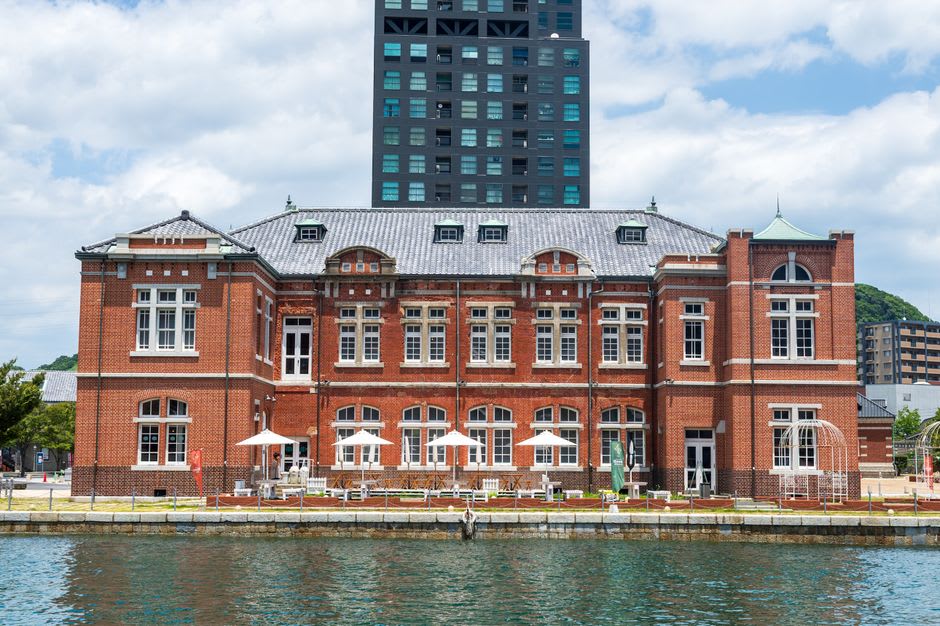
A big industrial city at the northern tip of Kyushu that surprises you — its Mojiko Retro harbour district is a pocket of gaslit brick and early-twentieth-century romance, while the Kanmon Strait churns past just below, close enough to touch the mainland.
Kitakyushu was supposed to be a place we passed through — a name on the map between the ferry and the shinkansen, a working city with factories and not much reason to stop. We had an evening to kill before a morning train, so we got off at Mojiko, the old harbour district, entirely on a whim. Within an hour Lia was insisting we change our plans to stay the night. That is the kind of city Kitakyushu turns out to be: it ambushes you.
Mojiko Retro, Frozen in 1910
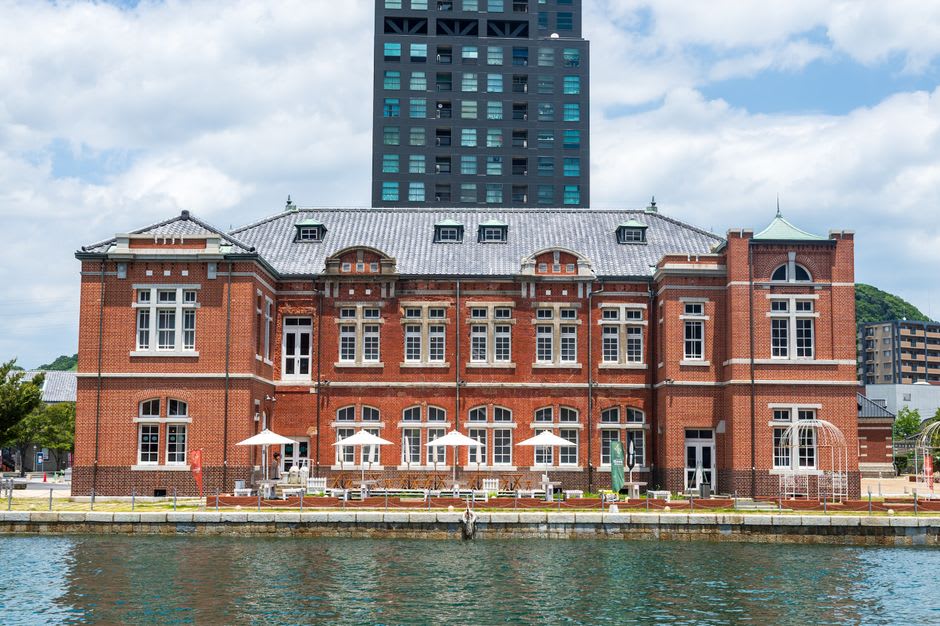
Mojiko was once one of Japan’s great international trading ports, and when the shipping trade moved on, the district was left with a stock of gorgeous early-twentieth-century buildings — brick customs houses, an ornate old railway station, Western-style trading offices with columns and arched windows. Rather than tear them down, the city polished them up and turned the whole quarter into “Mojiko Retro,” a walkable pocket of Meiji and Taisho-era architecture along the water. In the evening they light the gas-style lamps and the brick glows amber, and it feels less like a theme park than a genuine slip backward in time.
We wandered with no map, ducking into the restored Mojiko Station — the oldest wooden station building in Japan still in use — where Lia made me photograph the brass fittings and the old-fashioned washbasin she was inexplicably delighted by.
Standing on the Edge of Kyushu
What I hadn’t grasped until I stood there is how narrow the Kanmon Strait is — the sliver of water separating Kyushu from Honshu, the main island. From the Mojiko waterfront you can see the far shore of Shimonoseki clearly, ships threading the channel between, the enormous Kanmon Bridge arcing over it all. There’s a pedestrian tunnel that runs under the strait, and we walked it, descending by elevator to a plain concrete passage where you can literally stroll from Kyushu to Honshu beneath the sea, passing a painted line that marks the prefectural border. Silly and wonderful in equal measure. Lia hopped back and forth across the line announcing which island she was on.
Back up top we ate the local specialty — “yaki curry,” curry rice baked in a dish with cheese and an egg until the top blisters — at a little place by the water, watching the ships slide past the window.
The View from Mount Sarakura
The next morning, since we had stayed after all, we took the cable car up Mount Sarakura on the city’s southern edge. Kitakyushu markets its night view as one of the “new three great night views of Japan,” but even by day the panorama from the top is enormous — the whole sprawling city laid out to the strait, the sea beyond, the mountains of Honshu on the horizon. It is unabashedly a view of an industrial city, cranes and factories and all, and I found I liked it more for that. This is a place that makes things.
Lia, looking out over it, said something I’ve thought about since — that we skip cities like this because they aren’t “pretty,” and we miss the ones that are actually alive. She was right. Kitakyushu is alive.
Getting There
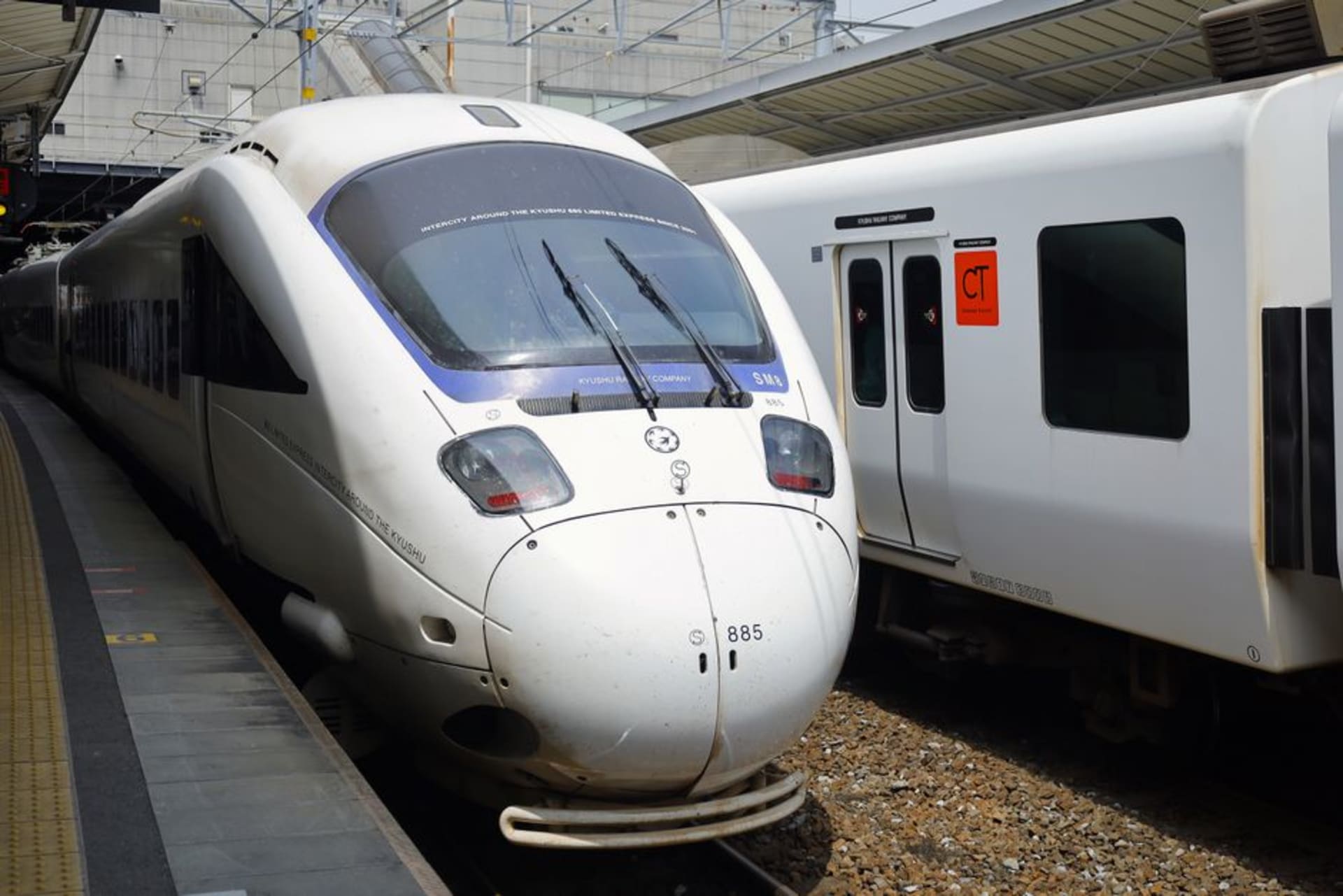
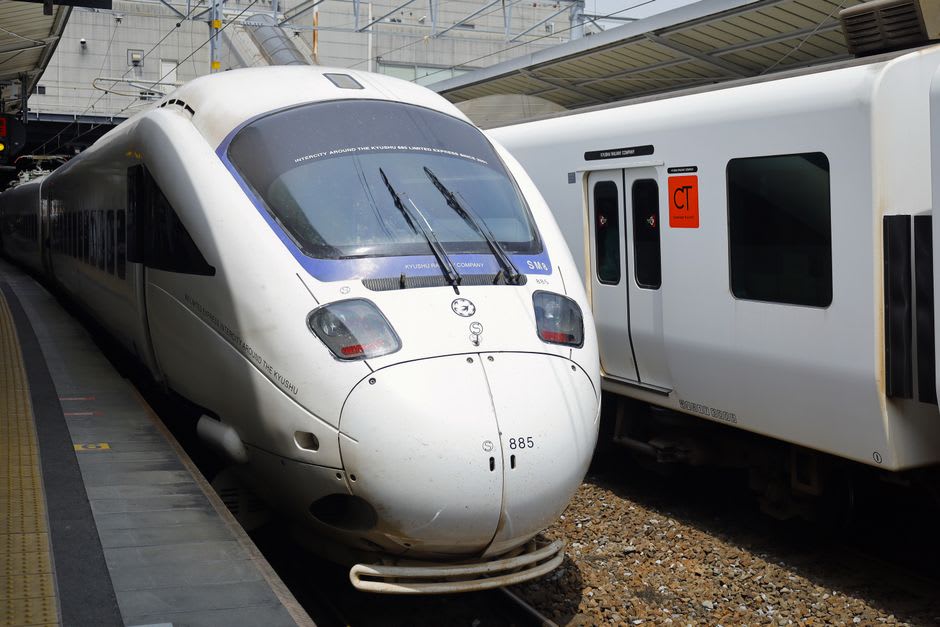
Kitakyushu is the northern gateway to Kyushu and extremely easy to reach — Kokura Station is a stop on the Sanyo Shinkansen, putting it under twenty minutes from Hakata (Fukuoka) and around two hours from Hiroshima. For the Mojiko Retro district, transfer at Kokura to the JR Kagoshima line and ride a further fifteen minutes or so to Mojiko Station, which sits right in the heart of the old harbour quarter — no car needed at all; the whole district is best on foot. The Kanmon pedestrian tunnel and the Mount Sarakura cable car are both short trips from there. Give it an evening at minimum, because Mojiko is at its best after dark when the lamps come on, and if you can spare a night, stay for the Sarakura view. Do not, as we nearly did, treat this city as a place to pass through.
Keep exploring
More of Kyūshū & Okinawa