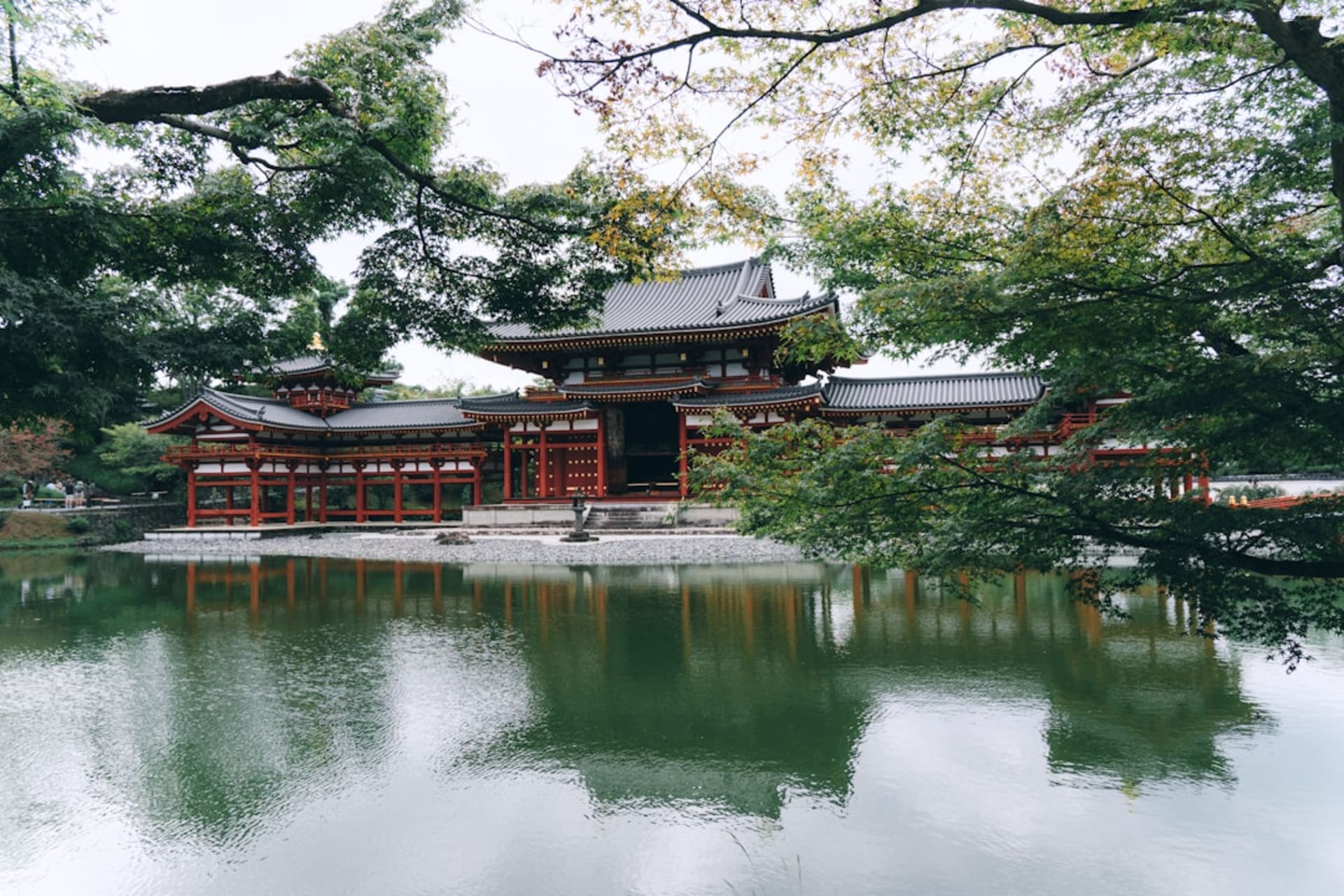
Uji
"The matcha was so intensely green and so bitter-sweet that Lia laughed out loud at the first sip."
A small riverside town between Kyoto and Nara that is the spiritual home of Japanese green tea, and home to the impossibly graceful Byōdō-in Phoenix Hall. Old tea houses line the streets, the river runs cold and fast, and the final chapters of The Tale of Genji are set here. Refined, green, and quietly ancient.
We went to Uji chasing tea, and we found a whole town organised around it. Lia and I had grown a little templed-out in Kyoto — a condition every honest visitor eventually admits to — and Uji, half an hour south, turned out to be the perfect antidote: smaller, greener, slower, and pungent with the roasted-grass smell of green tea drifting out of every second doorway. We spent the first hour simply following our noses down the main street, past shops that had been grinding matcha for longer than France has existed in anything like its current form, and by the time we reached the river I had already committed to buying more tea than I could possibly carry home.
The Home of Matcha
Uji has been Japan’s most prestigious tea-growing district since the medieval period, and the town takes it seriously in the best way — not as a gimmick, but as a craft. The old shops along Byōdō-in Omotesandō stone-grind their own matcha in the window, and you can buy grades that range from everyday cooking powder to ceremonial tea so fine and vivid it looks unreal. We sat down at a tea house and were served bowls of matcha whisked to a jade froth, along with a sweet to cut the bitterness.
Then, because Uji does not do things by halves, we worked our way through matcha soba, matcha ice cream, and a slice of matcha castella cake, until Lia declared herself pleasantly, chlorophyll-green with tea. I have never tasted the flavour so many ways in one afternoon, and I would do it again tomorrow.
Byōdō-in and the Phoenix Hall
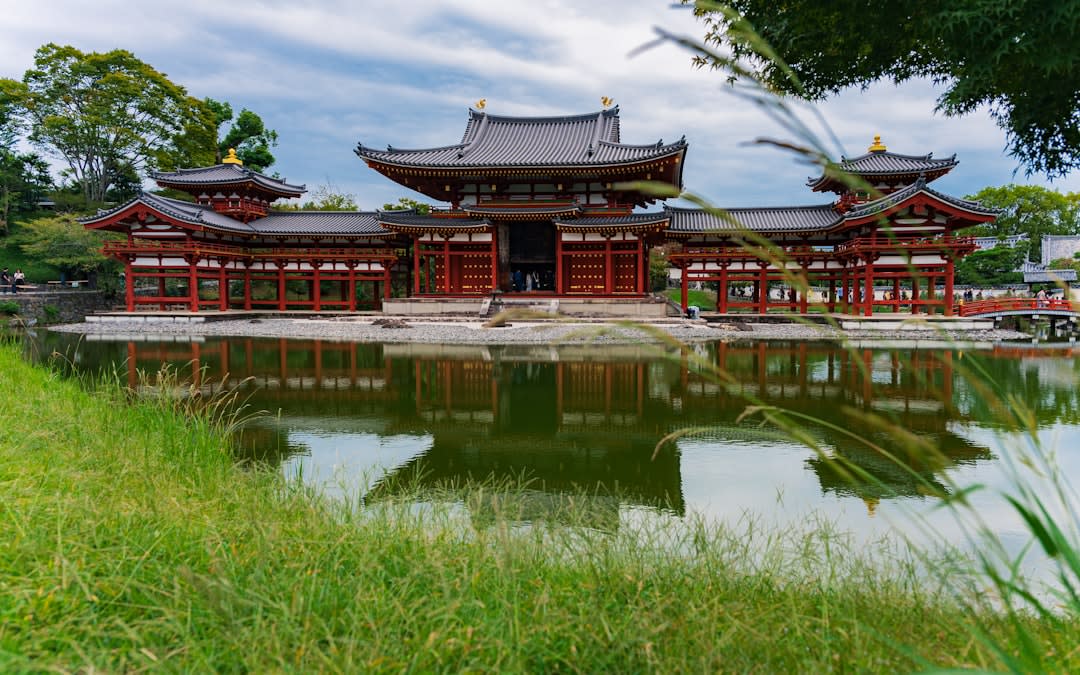
The reason Uji is on every list, though, is the Byōdō-in, and it deserves the fame. Built in 1053 as a nobleman’s villa turned temple, its Phoenix Hall — Hōō-dō — sits on an island in a still pond with its wings spread symmetrically to either side, so that the building and its reflection together seem to lift off the water like the bird it is named for. It is so quietly perfect that it appears on the back of the ¥10 coin; I kept one in my pocket the whole visit just to compare.
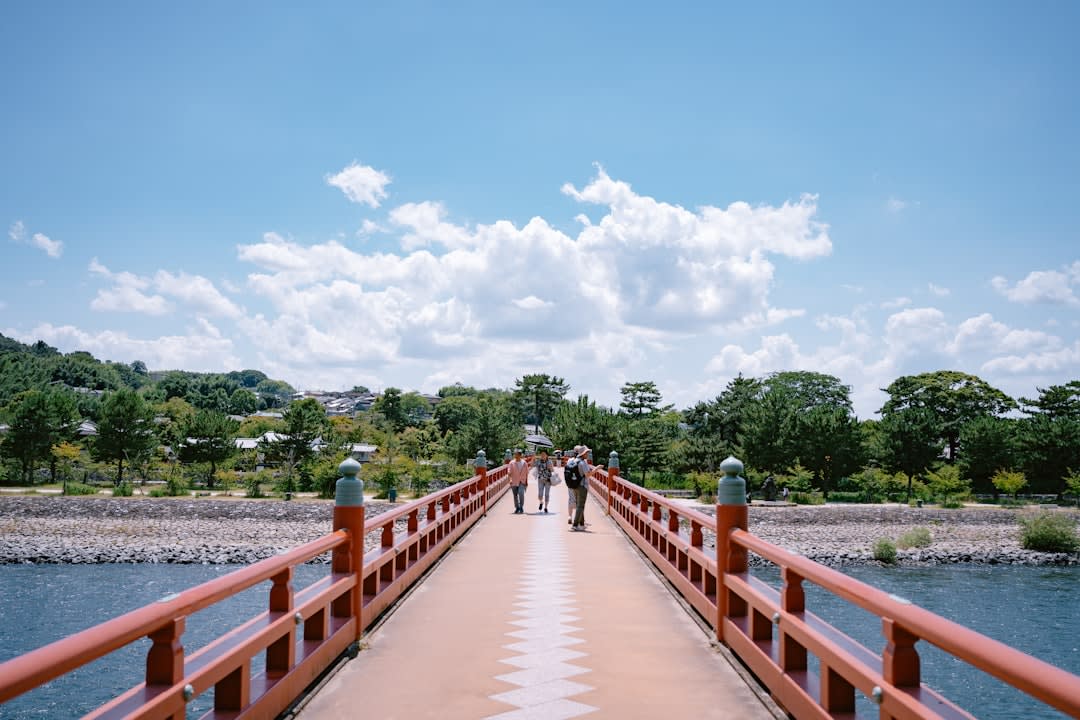
We arrived early to beat the crowds and had a few minutes almost alone with it. The bronze phoenixes on the roof, the great gilded Amida Buddha glowing in the dim hall interior — it is a vision of paradise made by people who genuinely believed in one, and it holds up nearly a thousand years later.
The River and The Tale of Genji
Uji is bound up with The Tale of Genji, the great eleventh-century novel by Murasaki Shikibu — the final ten chapters, the “Uji chapters,” are set right here, and the town wears the connection lightly and proudly. The Uji river runs fast and cold through the middle of it all, crossed by old bridges and edged with tea houses, and there is a small, thoughtful museum devoted to the tale for those who want to go deeper.
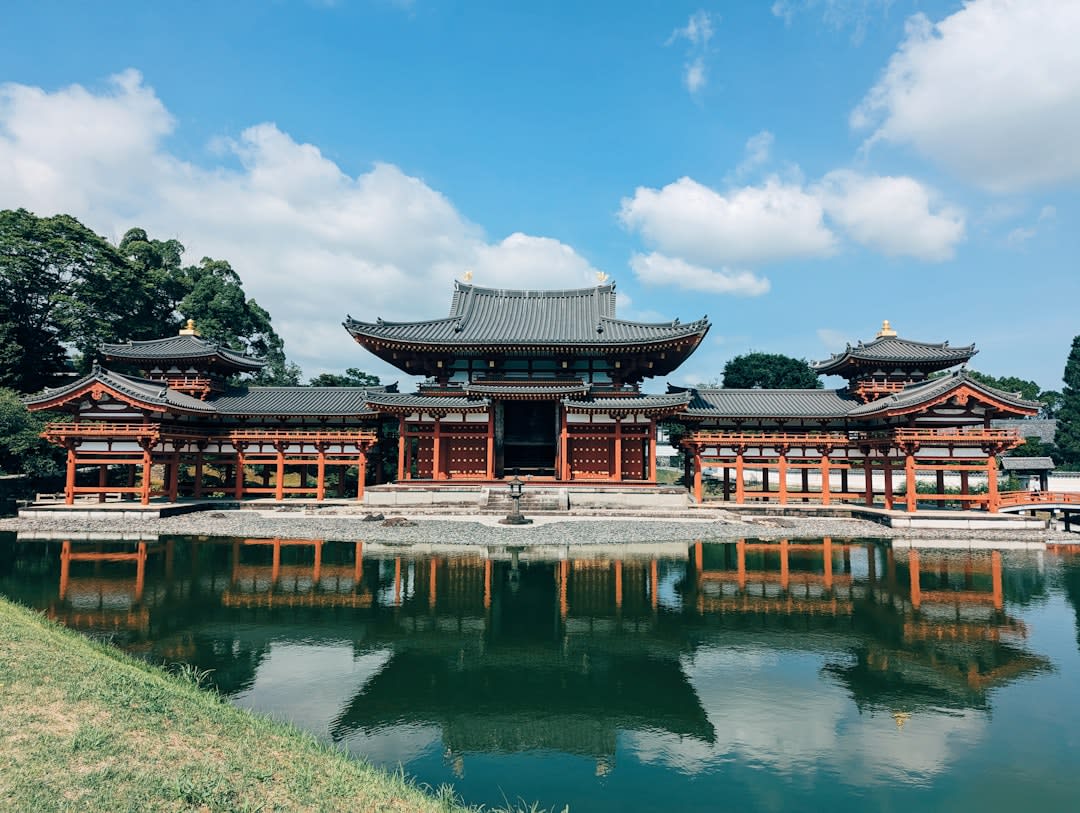
We walked the riverbank in the late afternoon, crossed to the little island in the middle, and watched the water slide past under the Ujibashi bridge. Lia read a few lines of Genji aloud from her phone, standing where the characters are supposed to have stood a thousand years ago. It is that kind of town — layered, literary, and content to let you find its quiet on your own.
Getting There
Uji is remarkably easy to reach and makes an ideal half-day trip from Kyoto or a stop between Kyoto and Nara. JR Nara Line rapid trains from Kyoto Station take about 20 minutes to JR Uji; the Keihan line drops you even closer to Byōdō-in on the other bank. Everything — the temple, the tea street, the river, the Genji museum — is within an easy walk of the stations, so leave the car behind. Go in the morning for the best light on the Phoenix Hall, come hungry, and budget more time than you think for the tea shops. It is a place best taken at a stroll, with a bowl of matcha somewhere in the middle.
Keep exploring
More of Kansai