A pottery town in the Shiga hills where kilns have burned for eight centuries and cheerful clay raccoon-dogs stand guard outside nearly every door. Up a mountain road nearby hides the MIHO Museum, an I.M. Pei building reached through a cherry tunnel and a bridge, half-buried in the forest. Clay underfoot and architecture in the trees — Shigaraki is stranger and lovelier than it has any right to be.
You know you’ve arrived in Shigaraki when the raccoon-dogs start appearing. First one, then a pair, then whole regiments of them — fat, round-bellied ceramic tanuki with straw hats and improbable grins, standing outside every shop, house, and gas station in town. They are Shigaraki’s mascot and its running joke, and by our tenth minute in town Lia had already named several. But underneath the kitsch is one of Japan’s oldest and most serious pottery traditions, clay dug from these very hills and fired here since the twelfth century. We had come for the famous museum in the mountains above. We ended up loving the muddy, tanuki-cluttered town just as much.
The Kiln Town
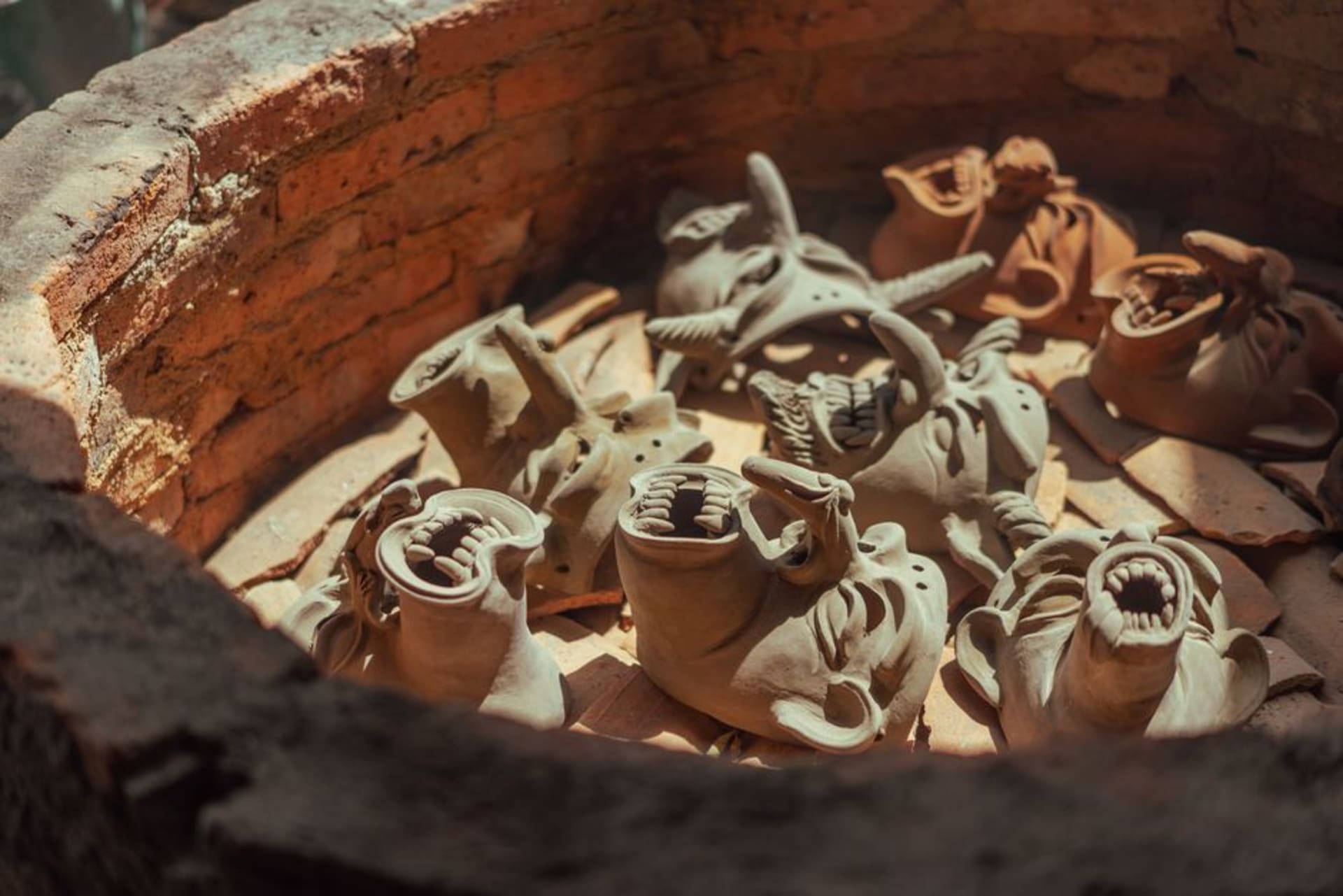
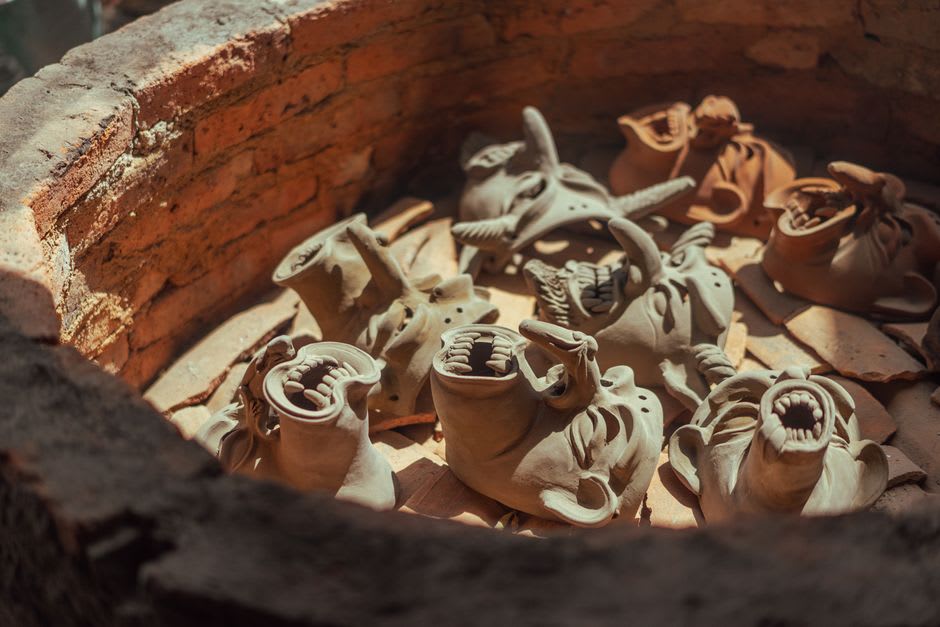
Shigaraki clay is coarse and full of feldspar, which gives its pottery a rough warm surface, flecked and rust-colored, prized for centuries in the tea ceremony precisely because it looks unforced and earthy. We spent the morning wandering the workshops that line the town, some of them clustered around old climbing kilns — long stepped tunnels built up the hillside, brick and soot-black, where the fire used to be fed for days. In one studio a potter let Lia sit at a wheel and try to center a lump of clay; she produced something that collapsed sideways and laughed until she cried, and the potter, delighted, fired it anyway. We carried that lopsided little cup home. It is objectively terrible and I would not trade it for anything in the good shops.
The Museum in the Mountain
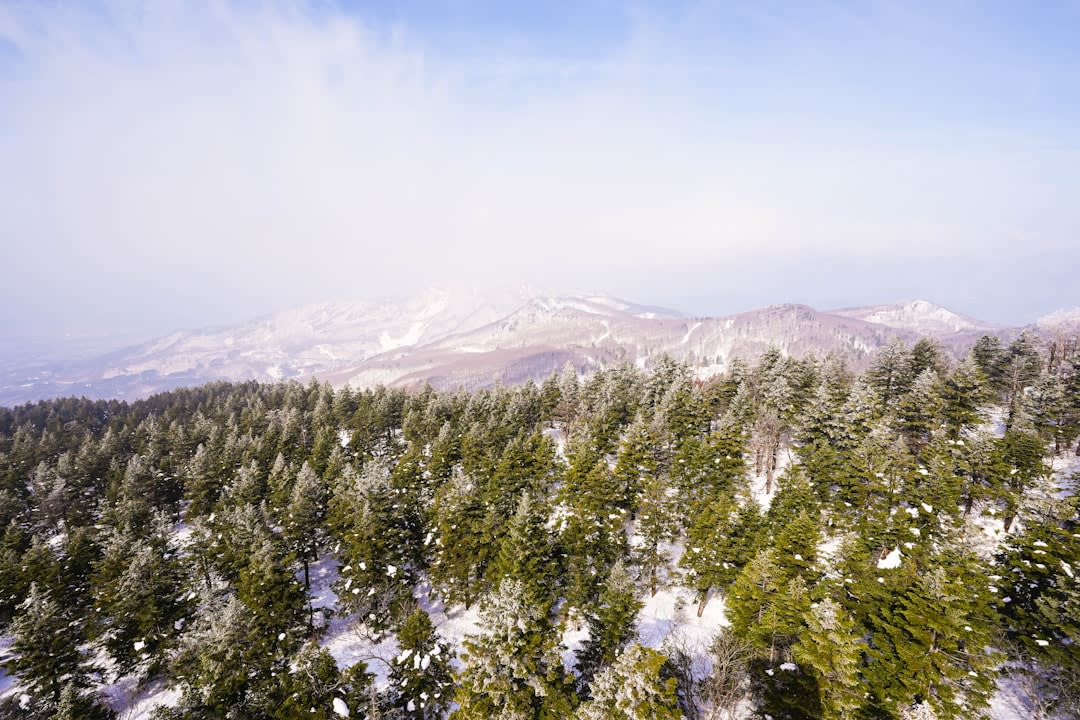
Then there is the MIHO Museum, which is a different order of experience altogether. You approach it up a winding mountain road, park, and walk toward what looks like the end of the trail — until a long tunnel opens in the hillside, curving through the rock and lit soft and silver. You emerge onto a slender suspension bridge, and across it, tucked into the forested ridge, is the museum: an I.M. Pei design that is almost entirely buried in the mountain, only its glass-and-steel roofs surfacing among the trees. In spring the tunnel approach is lined with cherry blossoms and the whole walk becomes a slow reveal, architecture and landscape choreographed together. Inside, the light falls through geometric skylights onto a small, superb collection of ancient art from across the world. Lia stood in the tunnel entrance for a full minute before we walked through, just to feel it coming. It is one of the most quietly astonishing buildings I have ever entered.
Clay Under the Fingernails
What stays with me about Shigaraki is the mix of the two — the earthy and the exalted, the grinning clay tanuki and the buried masterpiece up the mountain, both somehow at home in the same green valley. We ended the day back in town at a small cafe run out of a converted workshop, drinking coffee from thick Shigaraki-ware cups, our hands still faintly grey with clay dust that no amount of washing had removed. Outside, a row of tanuki watched the road with their eternal foolish cheer. Lia bought one, a small one, wrapped it in newspaper, and it rode home in her lap the whole way. It sits on our shelf now in Mexico, absurd and far from its hills, grinning at the wrong ocean. We love it.
Getting There
Shigaraki lies in southern Shiga, reachable by the single-carriage Shigaraki Kohara Railway — a charming little line, its trains often decorated with tanuki — connecting from Kibukawa on the JR/Ohmi routes out of Kyoto or Kusatsu; allow around two hours from Kyoto with the change. The MIHO Museum is up in the mountains a bus ride from the town or from Ishiyama Station, so check the seasonal bus timetable carefully, and note the museum closes for stretches of winter and between exhibitions. Try to come when the cherry tunnel is in bloom if you can, but the town’s kilns and its army of tanuki are there to greet you any day of the year.
Keep exploring
More of Kansai