Tamba-Sasayama
"A town that measures time in bean harvests and kiln firings, not in trains missed."
A castle town in the Hyogo hills where black-bean fields ring an old samurai quarter, wild boar simmers in winter hotpots, and unglazed Tamba pottery has been fired for eight centuries. We came for one night and let the slow rhythm of the place talk us into staying two.
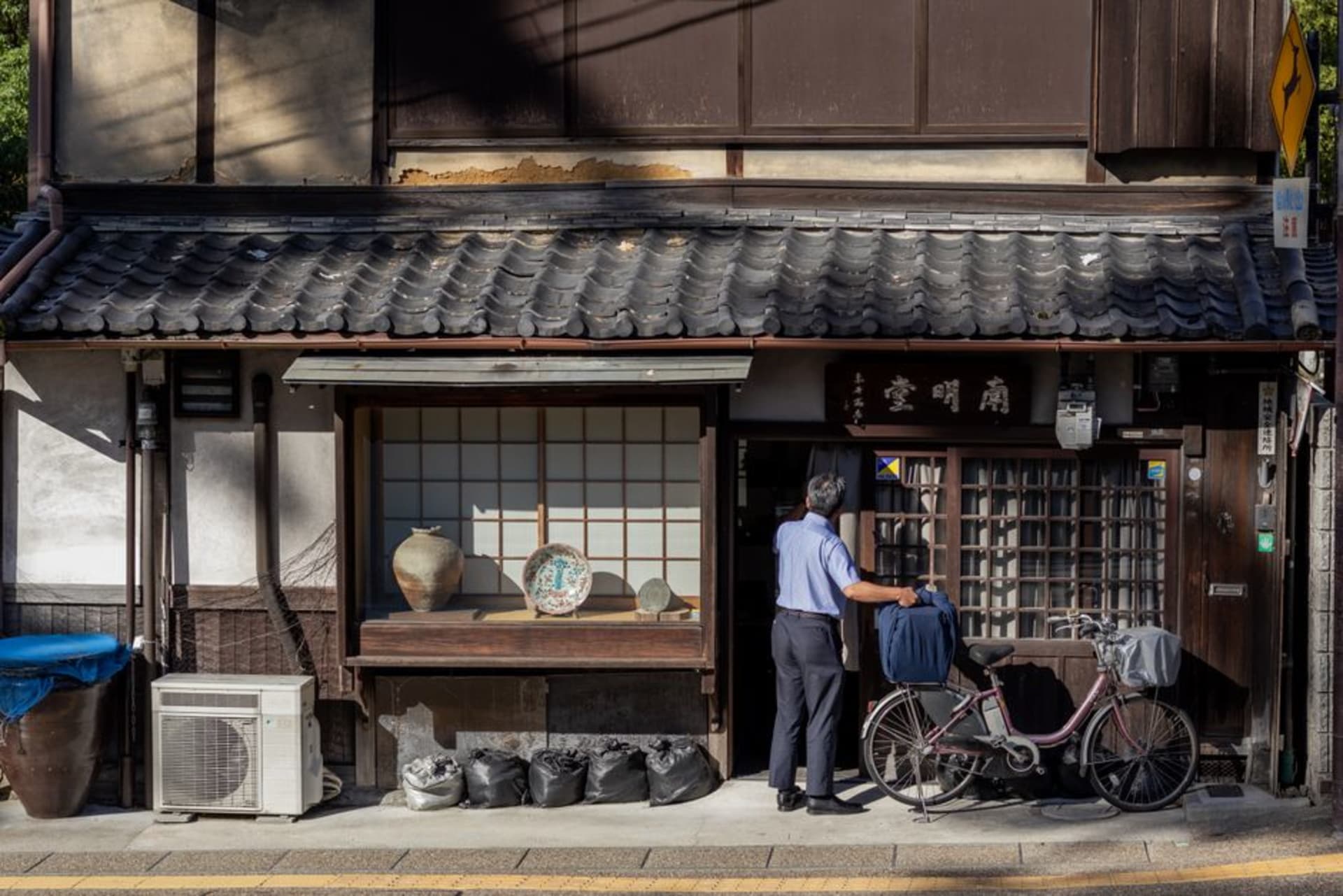
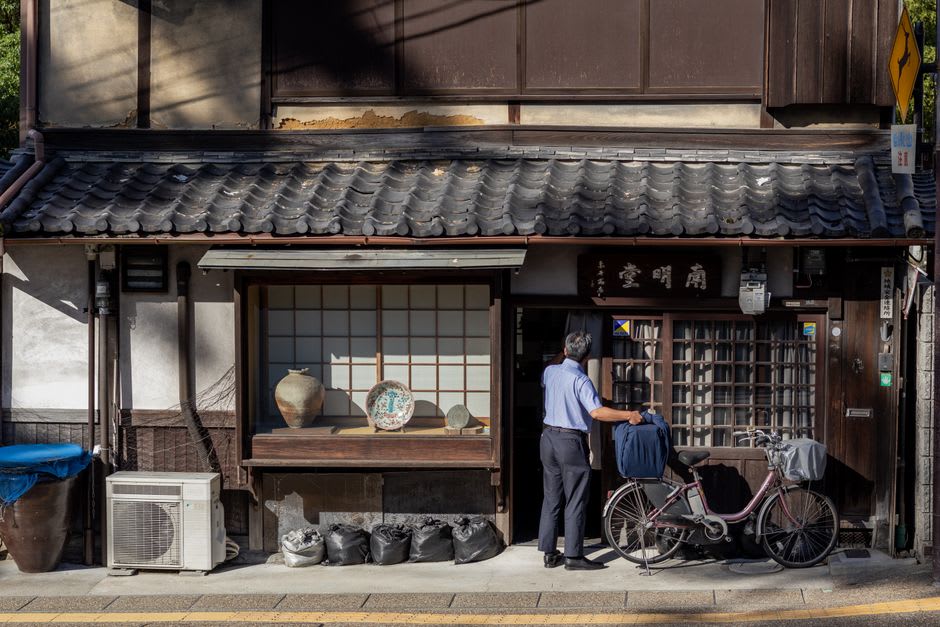
We almost didn’t come to Sasayama. It was a line in a guidebook, a detour off the road between Kyoto and the coast, and we only turned off because Lia wanted lunch. Then we found ourselves in Kawaramachi, the old merchant street, walking between two rows of dark lattice-fronted houses with the afternoon sun laid gold along the eaves, and there was no talk of leaving after lunch anymore. Tamba-Sasayama is a proper castle town that history seems to have gently forgotten, which is precisely why it still feels whole. No neon, no crowds — just earthen walls, a ruined keep, and the smell of somebody roasting black beans.
The Castle and the Samurai Quarter
Sasayama Castle was built in 1609 on the shogun’s orders, and though the main keep is long gone, the great stone ramparts and moat remain, along with a reconstructed grand hall, the Oshoin, with its vast tatami rooms and painted screens. We walked the walls at dusk, the moat below full of reflected pink sky. Just west lies Gokamachi, the preserved samurai residential quarter — a lane of low earthen-walled houses where retainers of the Aoyama clan once lived. One of the homes, the Anma residence, is open to visit, and stepping into its dim thatched interior, its garden, its old armor, we had the whole place to ourselves. Lia sat on the veranda facing the garden for a long while. “Imagine growing up here,” she said, and I couldn’t tell if she meant it enviously or with relief that she hadn’t.
Black Beans, Boar, and the Autumn Table
Tamba-Sasayama is a food town, and it does not do things by halves. Its kuromame — big glossy black soybeans — are considered the finest in Japan, and in autumn the fields around town hang heavy with them; you can buy them fresh at roadside stands, boiled and slightly sweet, and I ate an embarrassing quantity. Then there’s botan-nabe, the winter wild-boar hotpot, the sliced meat arranged on the plate like petals of a peony, simmered with miso and mountain vegetables. We had it at an old inn, the room warm and steamed-up, and the boar was rich and gamey and completely unlike anything I’d expected. The region is also famous for chestnuts and, oddly, for matsutake mushrooms. Lia declared it the best meal of the trip, and given what we’d eaten in Kyoto, that was no small thing.
Tamba Ware and the Old Kilns
The next morning we drove out to Tachikui, the pottery village just south of town, where Tamba ware has been made continuously for around 800 years — one of Japan’s Six Ancient Kilns. This is unglazed, wood-fired stoneware, its surfaces scorched and streaked where the ash and flame touched the clay, and there is nothing pretty or polished about it, which is exactly why I love it. We visited a working kiln, its long climbing chamber built up the hillside, and watched a potter throw a bowl with hands that clearly knew the clay better than they knew anything else. Lia bought a small sake cup, matte and ash-flecked and slightly lopsided, and I bought a teapot I’ve used almost every day since. Driving back through the bean fields with the pottery wrapped in newspaper on the back seat, I remember thinking how easily we’d nearly missed all of it.
Getting There
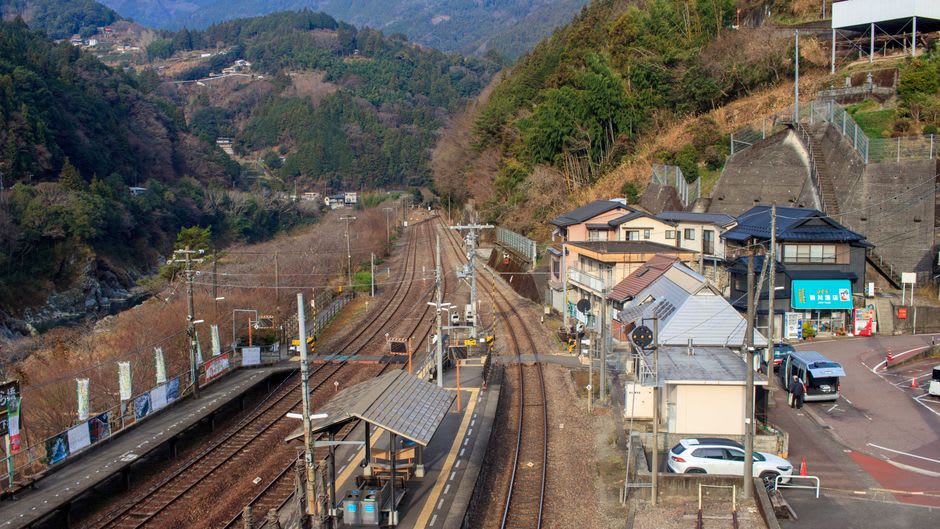
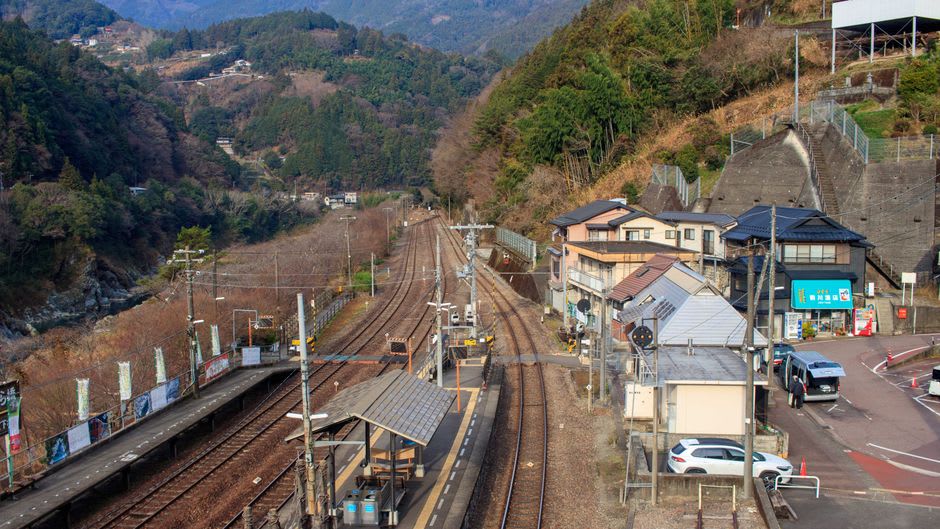
Tamba-Sasayama lies in the hills of eastern Hyogo Prefecture, roughly an hour from Osaka or Kyoto. By train, take the JR Fukuchiyama Line to Sasayamaguchi Station, then a local bus about fifteen minutes into the old town center — the station itself is a little outside the historic core. A car is genuinely worth it here, both for reaching the Tachikui pottery kilns to the south and for enjoying the black-bean countryside, which is much of the charm. The castle, samurai quarter, and Kawaramachi merchant street are all walkable together once you’re in the center. Come in autumn for the kuromame harvest and chestnuts, or in the cold months for botan-nabe boar hotpot; either way, give it an overnight, because Sasayama rewards the traveler willing to slow to its pace.
Keep exploring
More of Kansai