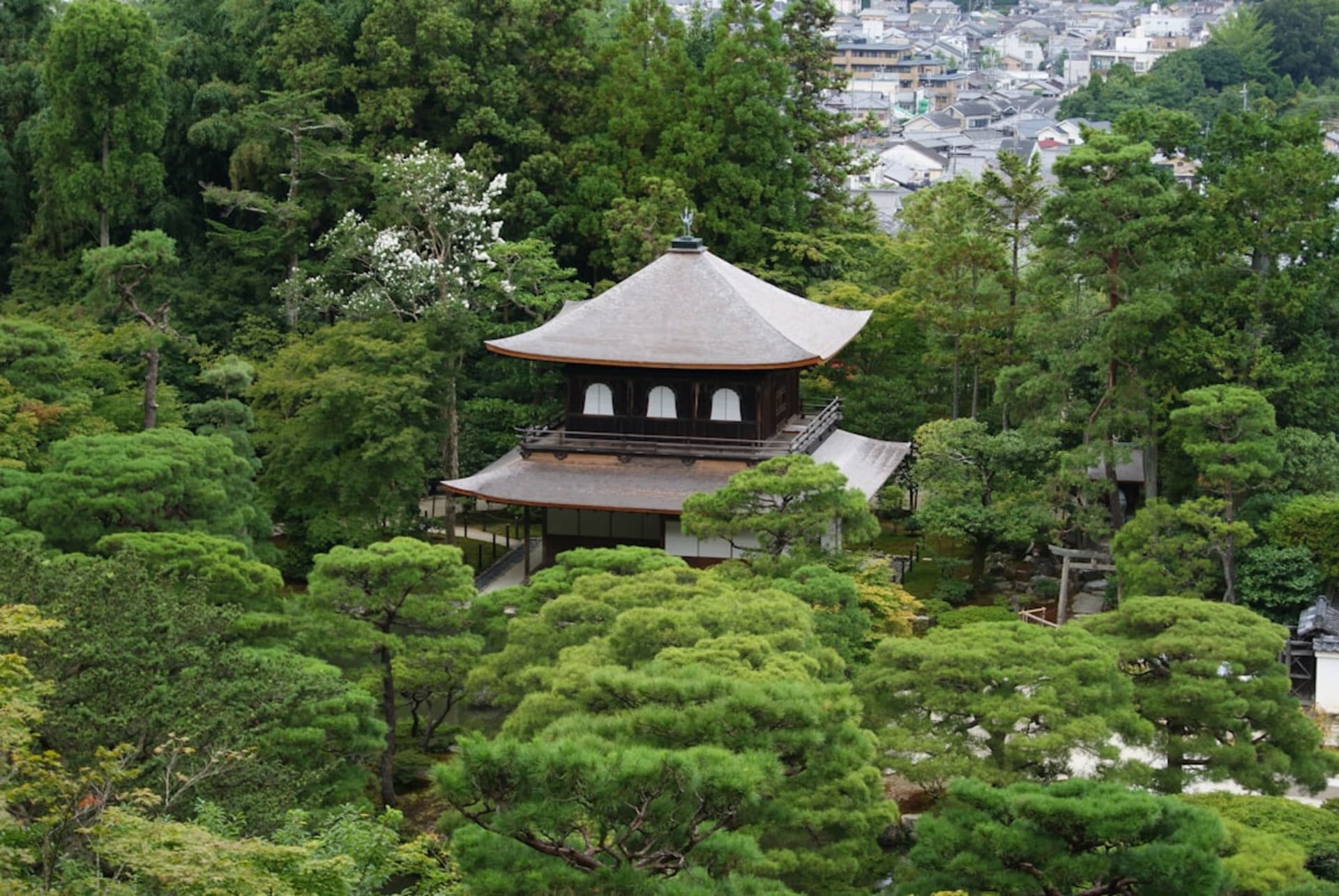
A rustic temple valley folded into the hills north of Kyoto, where moss swallows the stone paths and the maples turn the whole basin to embers each November. We came for a single afternoon and left having lost the entire day to gardens and silence.
The bus from Kyoto climbs for an hour, shedding the city block by block until the windows fill with rice terraces and cedar. Lia had fallen asleep against the glass, and I nearly let her stay there, because arriving in Ohara feels like something you should do slowly. We stepped off into a valley that smelled of woodsmoke and wet leaves, a river talking somewhere below the road, and not a single tour flag in sight. After three days of shoulder-to-shoulder Kyoto, the emptiness felt almost illegal.
The Moss Gardens of Sanzen-in
We walked up the stone lane to Sanzen-in past shops selling pickled shiso and cups of amazake, the steam curling into the cold. Inside the temple, the garden did the thing that good Japanese gardens do to me every time — it made me stop mid-sentence. The moss ran unbroken beneath the maples, so thick and green it looked poured rather than grown, and dotted across it were the little stone jizo figures, half-sunk, mossed over, grinning up at nobody. Lia crouched for ages in front of one, saying it looked like it was keeping a joke to itself. We sat on the temple veranda with our socks on the cold wood and watched a maple drop leaves one at a time, and I understood for the first time why people build a whole religion around patience.
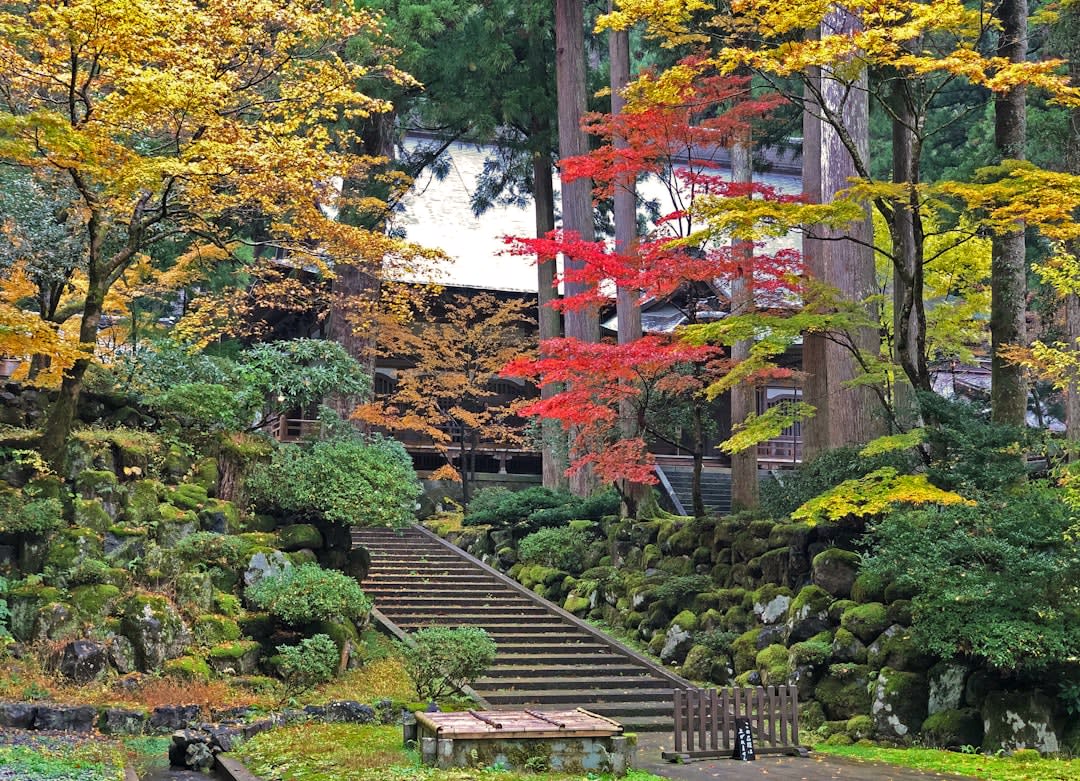
Jakko-in and the Weight of a Story
Across the valley, up a quieter set of steps, sits Jakko-in — a small nunnery with a heavy history. This is where Kenreimon-in, the empress who survived the fall of the Taira clan, lived out her years in mourning after watching her family and child die at the battle of Dan-no-ura. Standing in that little garden, I felt the story pressing on the place. The main hall burned in an arson fire in 2000 and was rebuilt, but the pond and the ancient pines carry the melancholy anyway. Lia and I didn’t say much here. There’s a particular hush to a place built around grief, and it seemed rude to fill it with chatter. We lit incense, watched the smoke bend, and walked back down through the trees feeling quietly hollowed out in a good way.
Lunch, Pickles, and the Slow Walk Back
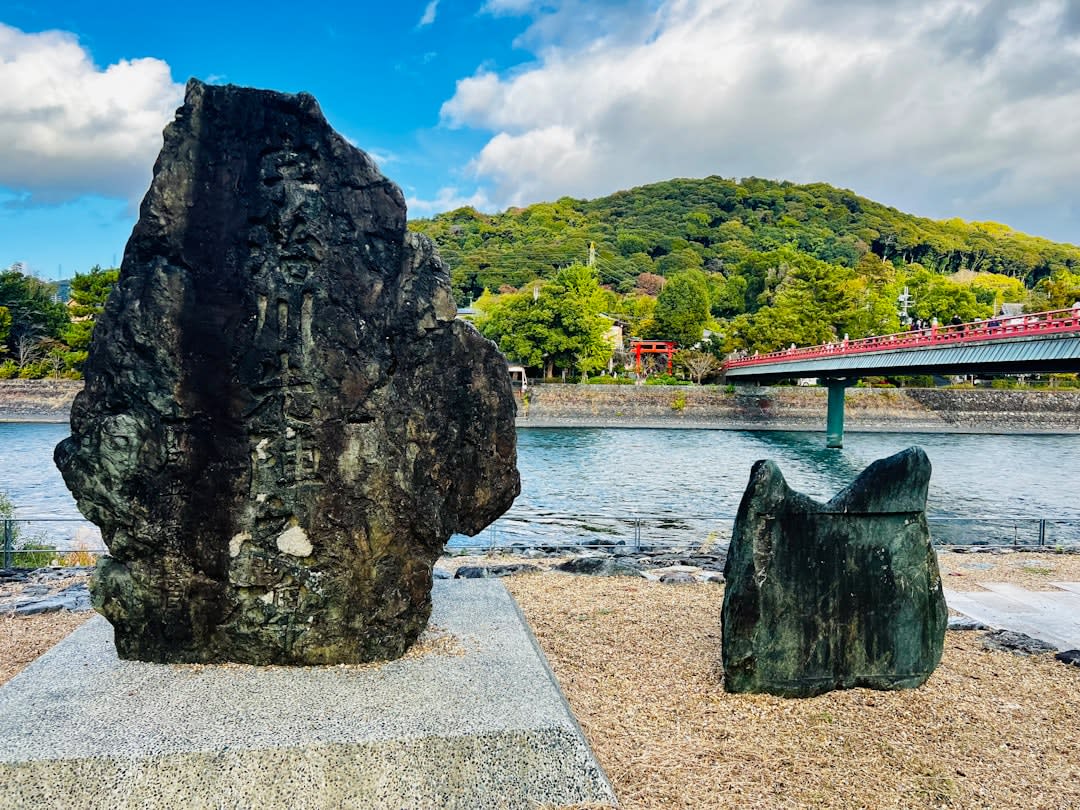
By midday we were starving, and Ohara rewards the hungry. The valley is famous for its shiso and its pickles, and we found a farmhouse restaurant serving kyo-ryori set meals — a dozen tiny dishes of tofu, mountain vegetables, miso, and rice grown in the terraces we’d passed. We ate by a window looking out at the fields, an old woman refilling our tea without being asked. Afterwards we wandered the back lanes with no destination, past vegetable stalls run on the honor system, a coin box and a pile of daikon and nobody watching. I bought a jar of shiso salt I still have. Lia picked up a persimmon straight off a low branch that hung over the path, and we argued gently about whether that counted as stealing.
Getting There
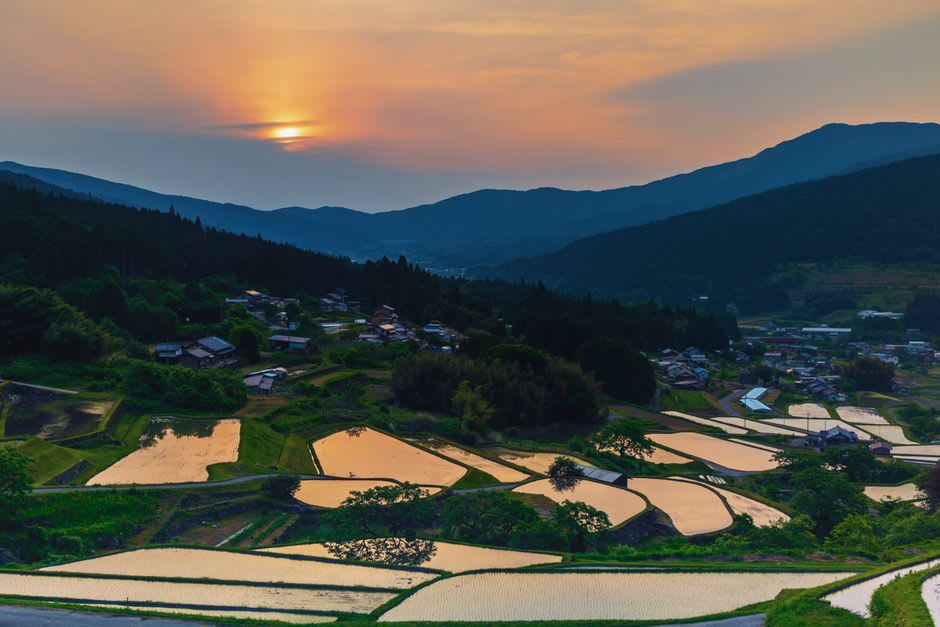
Ohara is easiest as a half-day or full-day trip from Kyoto. Take Kyoto City Bus 17 from Kyoto Station, or the faster route via subway to Kokusaikaikan Station and then Kyoto Bus 19 — either way it’s roughly an hour and the fare is modest. The buses run regularly but thin out in the late afternoon, so check the last return before you get too comfortable on a temple veranda, as we nearly did. From the bus stop everything is walkable uphill; wear shoes you don’t mind getting muddy, because the best of Ohara is its damp, mossy, unpaved edges. Go in mid-to-late November for the maples, or in deep winter when snow settles on the moss and the crowds vanish entirely.
Keep exploring
More of Kansai