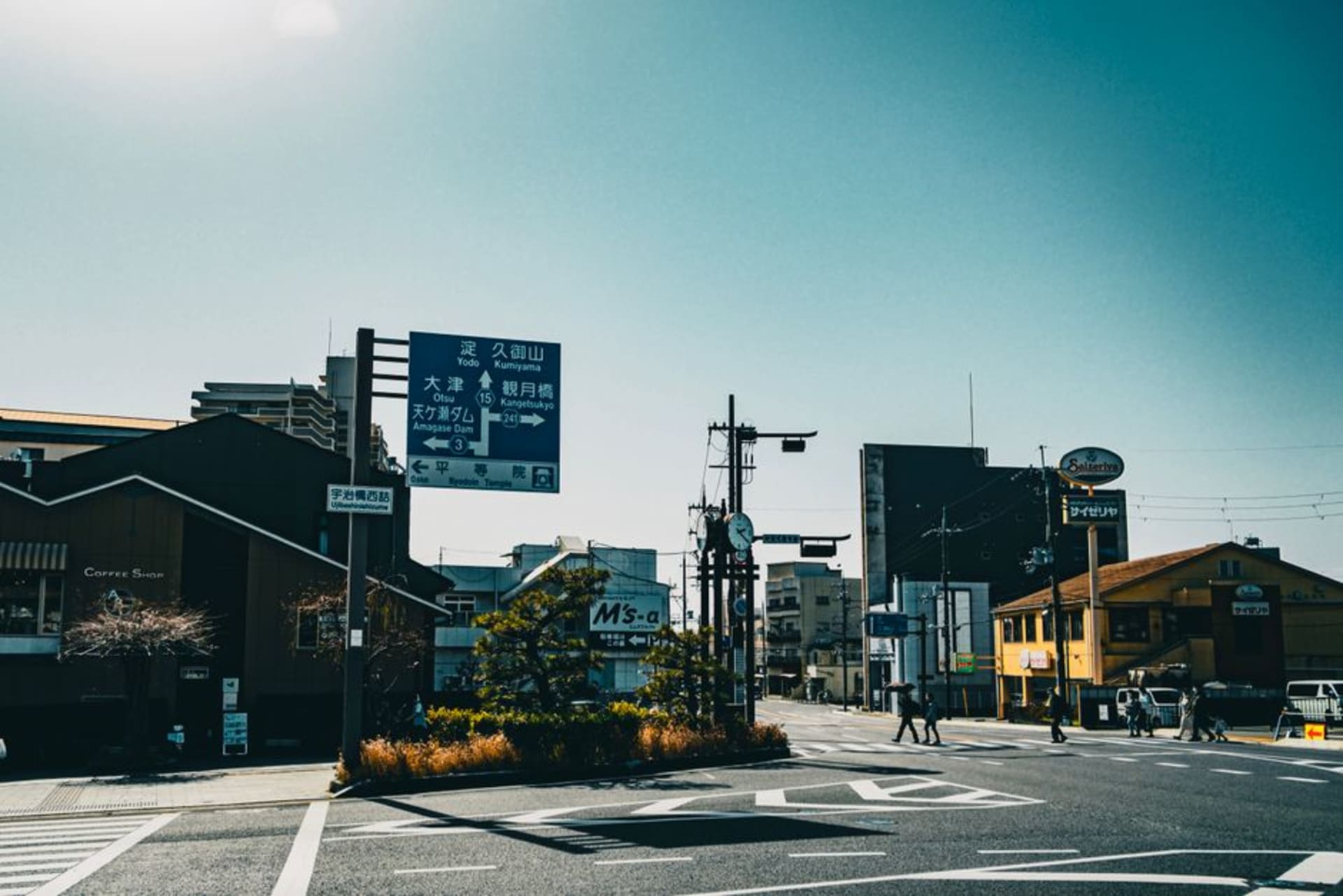
A merchant town in Mie whose name is spoken in reverent tones by anyone serious about beef — Matsusaka wagyu, raised slow and famous even beyond Kobe's. But the town beneath the steak is quieter and richer than expected: old cotton-merchant streets, a castle ruin gone green, and the walled lane where the town's samurai still seem to live just out of sight.
We planned the whole Mie leg of the trip around a single meal. That’s not an exaggeration — Lia had read about Matsusaka beef somewhere months earlier, filed it away, and quietly rearranged two days of the itinerary so we’d arrive hungry and unhurried. I teased her for it right up until the first slice hit the grill in front of us, and then I stopped teasing, because the smell alone was an argument I couldn’t win. But the town, it turned out, deserved the trip on its own terms.
The Beef, and Why It’s Worth It
Let me get the obvious out of the way: yes, we ate the beef, and yes, it was among the finest things I have put in my mouth. Matsusaka wagyu comes from cattle raised with an almost absurd tenderness — some, by legend, given beer and massaged by hand — and the marbling melts at a temperature so low it seems to dissolve rather than chew. We ordered it as sukiyaki in an old wooden restaurant, cooked tableside in a sweet soy broth, and Lia and I went silent in the way you do when talking would waste it. It is expensive. We saved for it, ate slowly, and left feeling we’d spent the money exactly right. If you do one splurge meal in Kansai, I’d point you here over any city name-brand.
The Merchant Streets
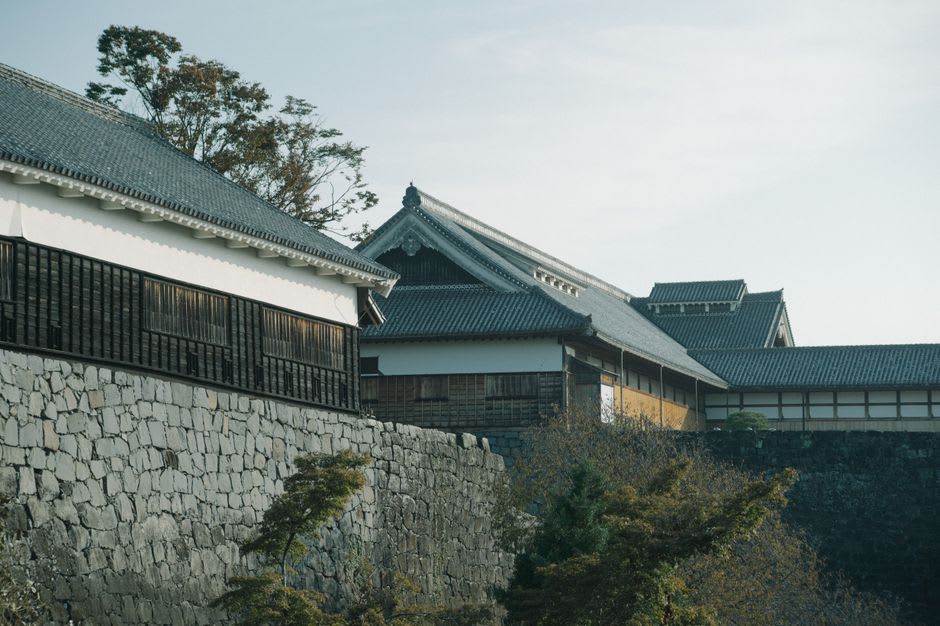
Long before the beef, Matsusaka got rich on cotton. Edo-era merchants from here ran cloth empires as far as Tokyo, and they built their wealth into the town — long tiled storehouses, latticed shopfronts, the restrained good taste of people with real money and no wish to shout about it. We wandered the old Ozu district in the flat afternoon light, past the preserved home of the Mitsui founding family, whose trading house grew into one of Japan’s great business dynasties. It’s a strange thing, to walk a quiet provincial lane and realise you’re standing at the root of a name still stamped on skyscrapers. Lia photographed doorways. I read plaques. Neither of us saw another tourist for an hour.
The Green Castle and the Samurai Lane
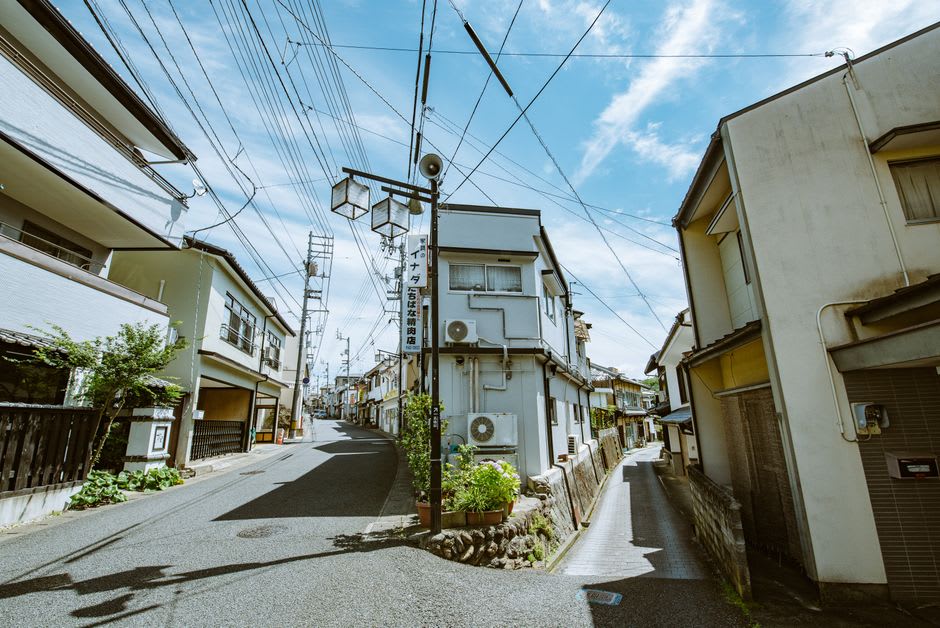
Matsusaka Castle is a ruin now, and a lovely one — no keep, just enormous moss-softened stone walls climbing a hill above the town, with old trees rooted into the ramparts and long grass where the halls once stood. We climbed it near closing time and had the whole thing to ourselves, the town spreading out below through gaps in the greenery. Just downhill runs the Gojoban Yashiki, a lane of low white-walled samurai houses built for the castle’s guardsmen and still, remarkably, lived in. Laundry hung in one garden. A cat watched us from a wall. There was something moving about it — not a preserved museum street but a real one, where the descendants of guardsmen still put out the recycling.
Getting There
Matsusaka sits on the main line between Nagoya and Ise in central Mie, and it’s easy to reach on either JR or the faster Kintetsu railway. From Nagoya it’s about seventy to ninety minutes; from Osaka, around two hours via the Kintetsu line with a change. The castle ruins, merchant houses, and samurai lane cluster within a walk of the station, so you can see the town on foot in an afternoon. Book a beef restaurant ahead if you’re set on a particular one — the famous houses fill up, especially at lunch, which is also the cheaper way to try the wagyu. It pairs naturally with Ise and its grand shrine, half an hour further down the line.
Keep exploring
More of Kansai