Kishiwada
"The cart came around the corner faster than seemed legal, and the whole street breathed in at once."
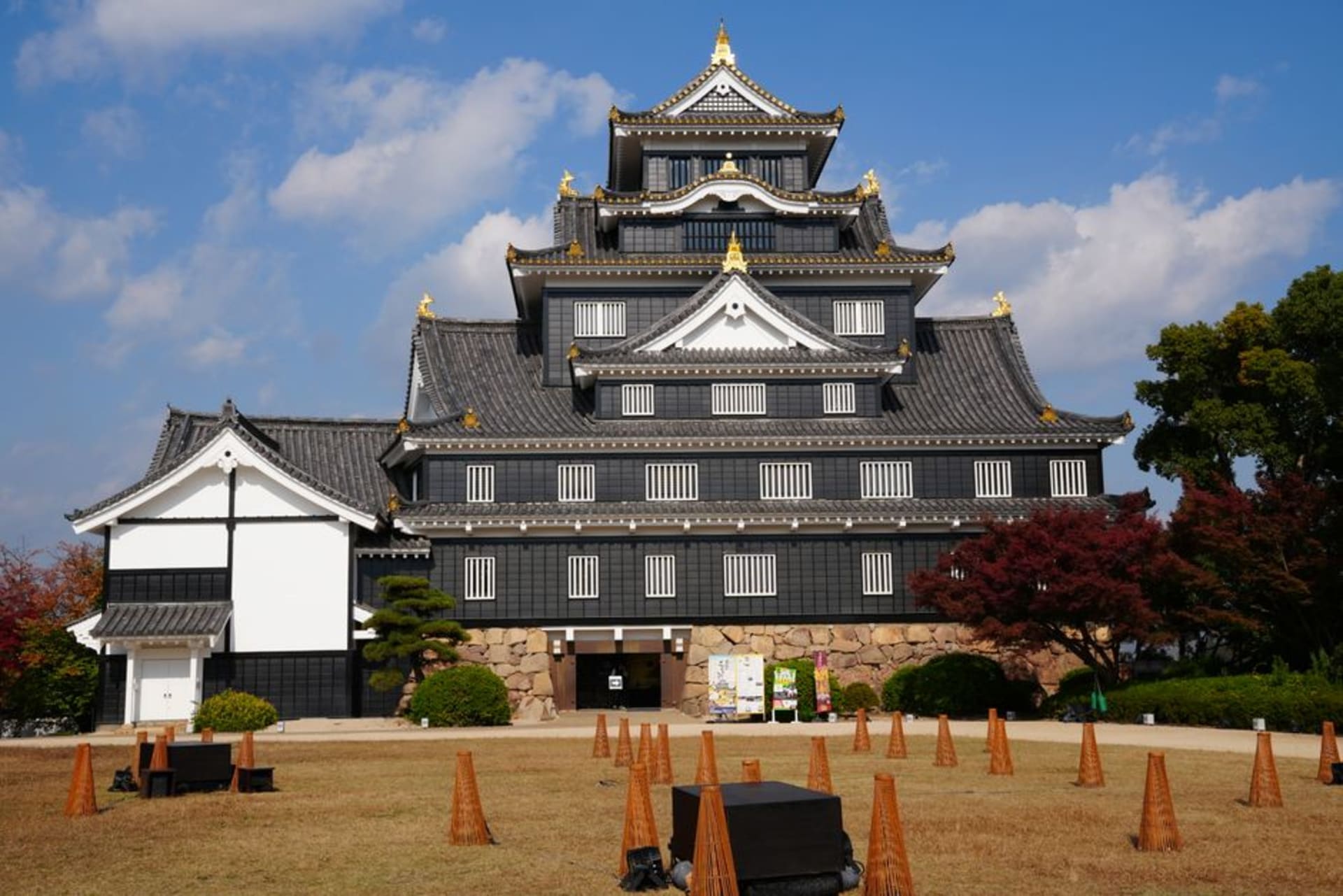
An Osaka-bay castle town that spends all year building toward two days of glorious danjiri chaos, when carved wooden carts weighing four tonnes are hauled at a sprint around blind corners. The rest of the year it is a gentle place of sea air and a small white castle. We came for the calm and got swept, briefly, into the storm.
We hadn’t planned to be in Kishiwada during the danjiri. Honestly, we’d come for the castle and a quiet lunch by the water. But the man at our guesthouse in Osaka heard where we were going, gripped my forearm, and said one word — “danjiri!” — with such intensity that I checked the dates. We had, by pure luck, arrived on the September weekend when this ordinary bay town loses its mind, and I will be grateful for that luck for a long time.
The Danjiri Come Down the Street
Nothing prepares you. A danjiri is a wooden shrine-cart, carved like a small temple, weighing as much as a truck, and hundreds of townspeople haul it through the streets at a full run. The thrill and the danger are the corners, taken at speed, the cart heeling over while a man dances on the roof, fanning the crowd on. The cart came around the corner faster than seemed legal, and the whole street breathed in at once. Lia grabbed my sleeve; I forgot to press the shutter. When it had passed, everyone laughed the shaky laugh of people who’d shared a fright.
The Castle and the Quiet After
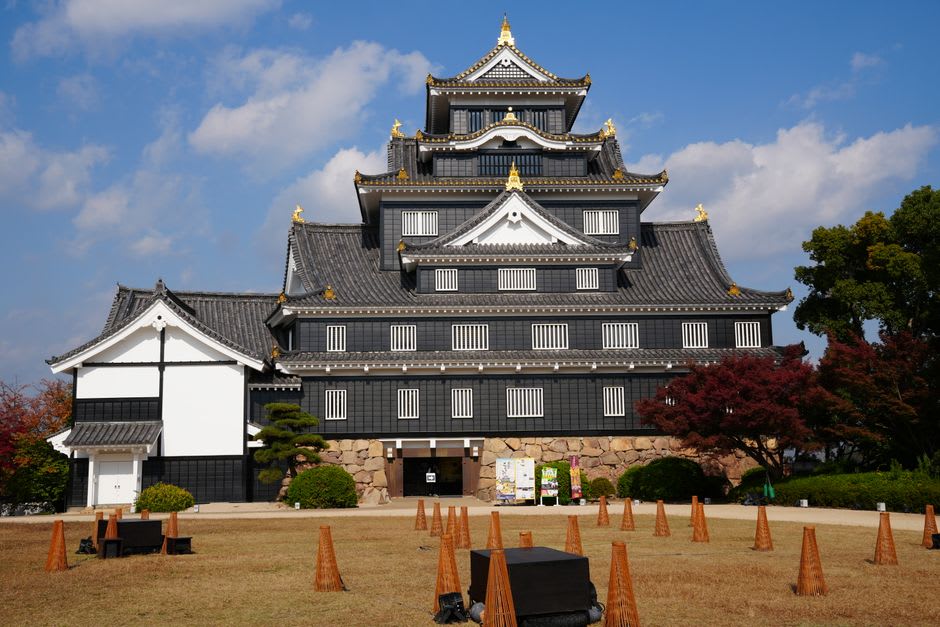
The next morning the town was hungover and gentle, and we walked to Kishiwada Castle to see the other face of the place. The keep is a modern rebuild, trim and white, but the grounds hold a strange, wonderful surprise: a geometric rock garden laid out in the shape of a military formation, all raked gravel and standing stones. We climbed the keep for the view over Osaka Bay, then sat in the garden while a groundskeeper raked lines we were careful not to cross. After the roar of the danjiri, the silence felt like a held breath finally let out.
Where the Carts Sleep
Later we found the danjiri kaikan, the hall where the carts and their story live year-round, and it deepened everything we’d seen. Up close the carving is staggering — battles and dragons cut deep into hard wood by hands over months. A short film showed the accidents too, honestly, because this festival has cost lives, and the town doesn’t pretend otherwise. A retired carpenter there told Lia that his neighbourhood had pulled the same cart for four generations. “It is heavy,” he said, “so that it means something.” I’ve thought about that line ever since.
Getting There
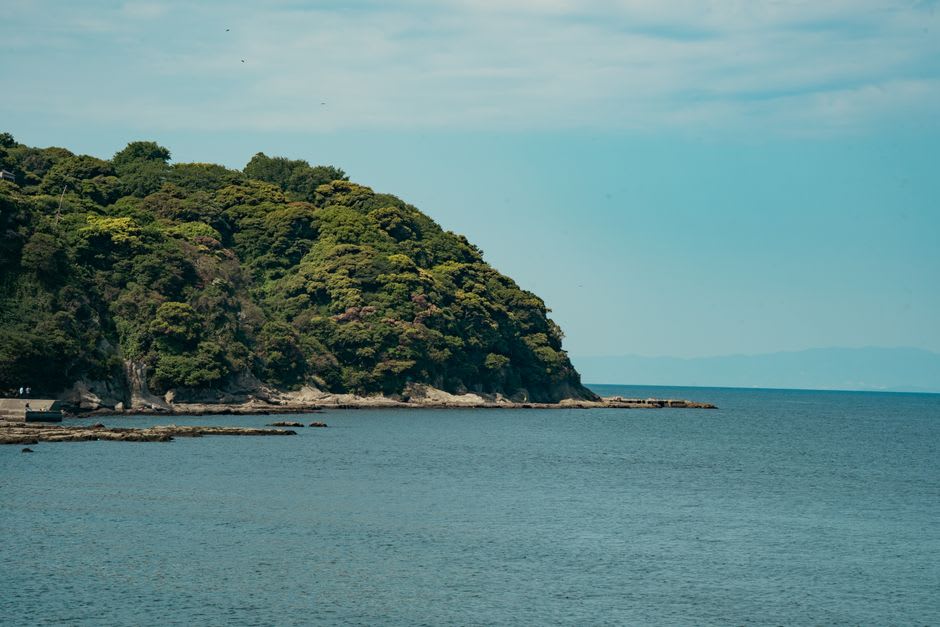
Kishiwada sits on the Nankai Main Line, about 20 minutes by limited express from Osaka’s Namba Station. The castle is a ten-minute walk inland from Takojizo Station, one stop past Kishiwada. If you want the festival, it falls on a weekend in mid-September — go early, claim a spot behind the barriers well before a corner, and never, ever step into the roped street. On any ordinary day, though, the town is calm and walkable, and the sea breeze off the bay makes the stroll to the castle a pleasure in itself.
Keep exploring
More of Kansai