Kinosaki Onsen
"By the second night I had stopped wearing anything but a yukata, and I have never been calmer."
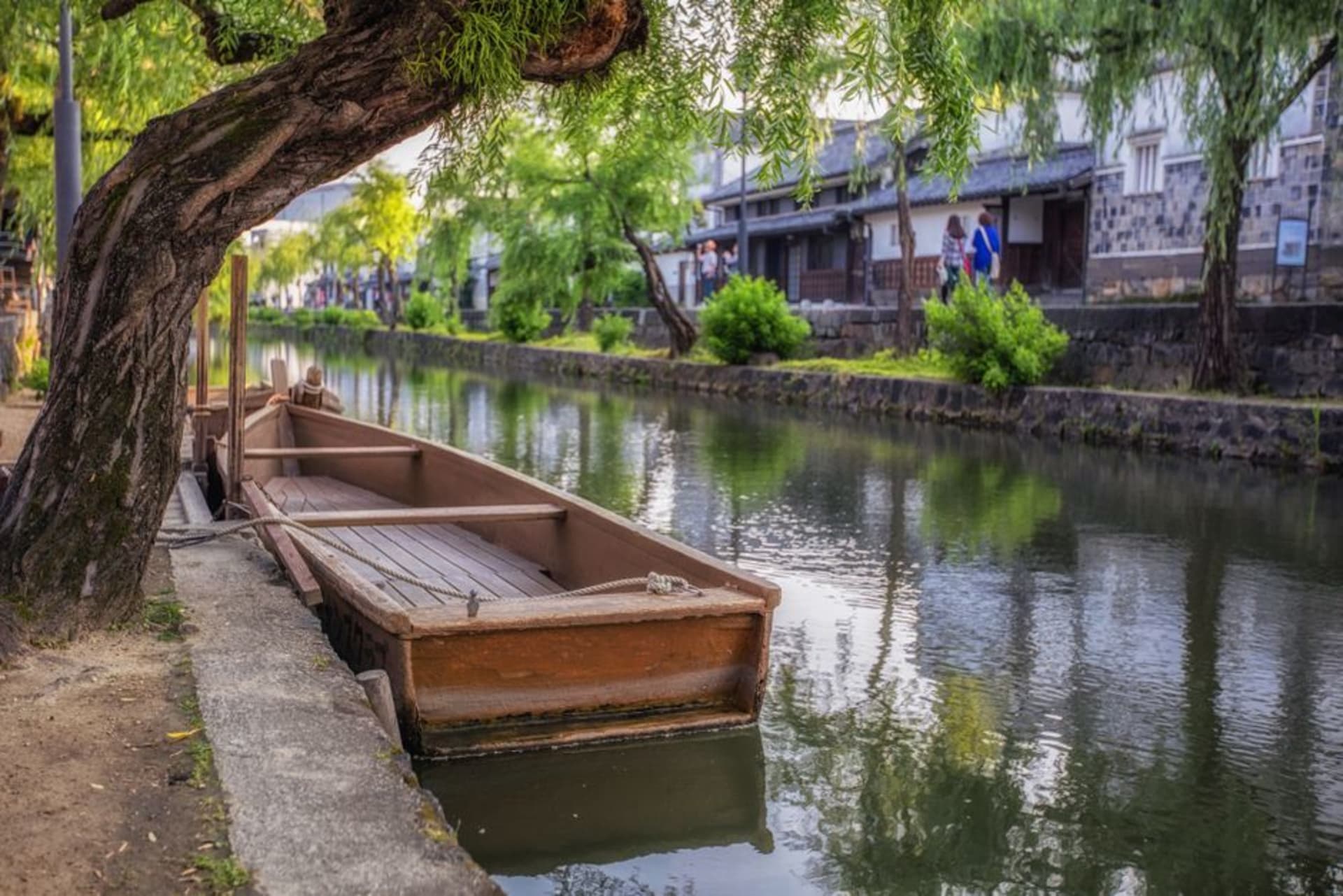
A willow-lined canal town on the Hyōgo coast where guests drift between seven public bathhouses in cotton yukata and wooden geta. Lantern-lit evenings, the clack of sandals on stone, crab in winter. The onsen-town ritual in its purest form.
We changed into cotton yukata within an hour of arriving, and after that Lia and I barely wore anything else. That is the whole logic of Kinosaki Onsen, and it takes about one evening to surrender to it: you check into your inn, you are handed a robe and a pair of wooden geta sandals, and then you spend the next two days shuffling between seven public bathhouses along a canal lined with weeping willows, steam rising off the water, the whole town turned into a single slow ritual of undressing and soaking and dressing again. It is the least I have ever done on a trip, and among the things I remember most fondly.
The Seven Bathhouses
The town’s genius is that it treats the whole village as one big inn: your guesthouse gives you a pass, and every one of the seven sotoyu — public bathhouses — is yours to use. Each has its own character. Gosho-no-yu is grand, with a waterfall in the outdoor bath; Ichino-yu is set into a cave; Mandara-yu is small and wooden and was our favourite, tucked up a side lane and rarely crowded. We made a game of collecting them, walking the canal from one to the next through the evening, the geta clacking on stone the whole way.
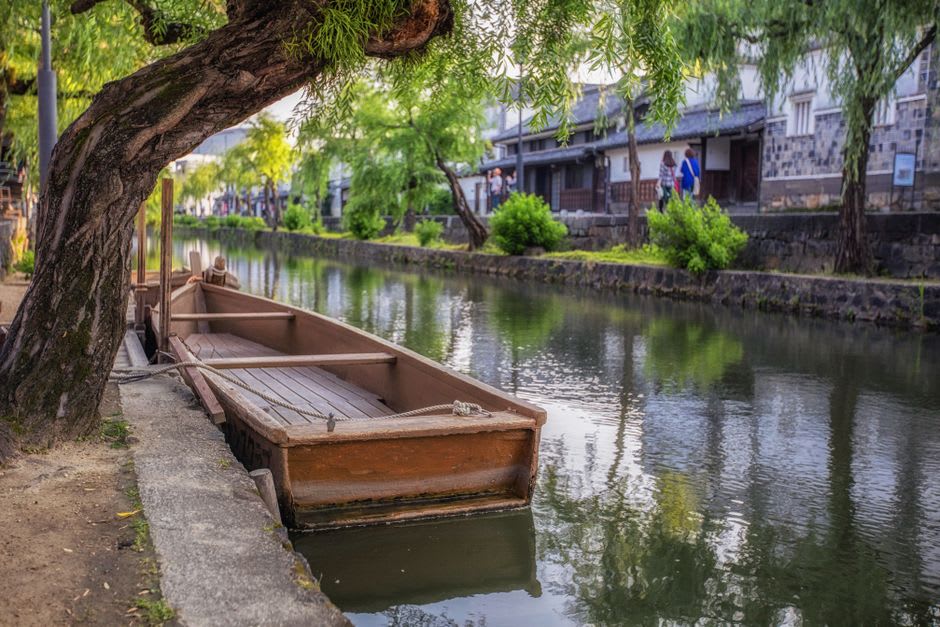
There is an etiquette to it — you wash thoroughly at the low stools before you enter the shared water, you keep the small towel out of the bath — and after the first tentative visit it becomes second nature. By the end I could feel the day’s walking dissolve out of my shoulders the moment I lowered into the hot water.
The Canal at Night
Kinosaki is at its best after dark. The Ōtani River runs straight through the middle of town, crossed by little arched stone bridges, and in the evening the lanterns come on and the willows throw their reflections across the water, and the streets fill with couples and families all wearing the same soft robes. There is no traffic to speak of, just the sound of geta on stone and the low murmur of the bathhouses letting off steam.
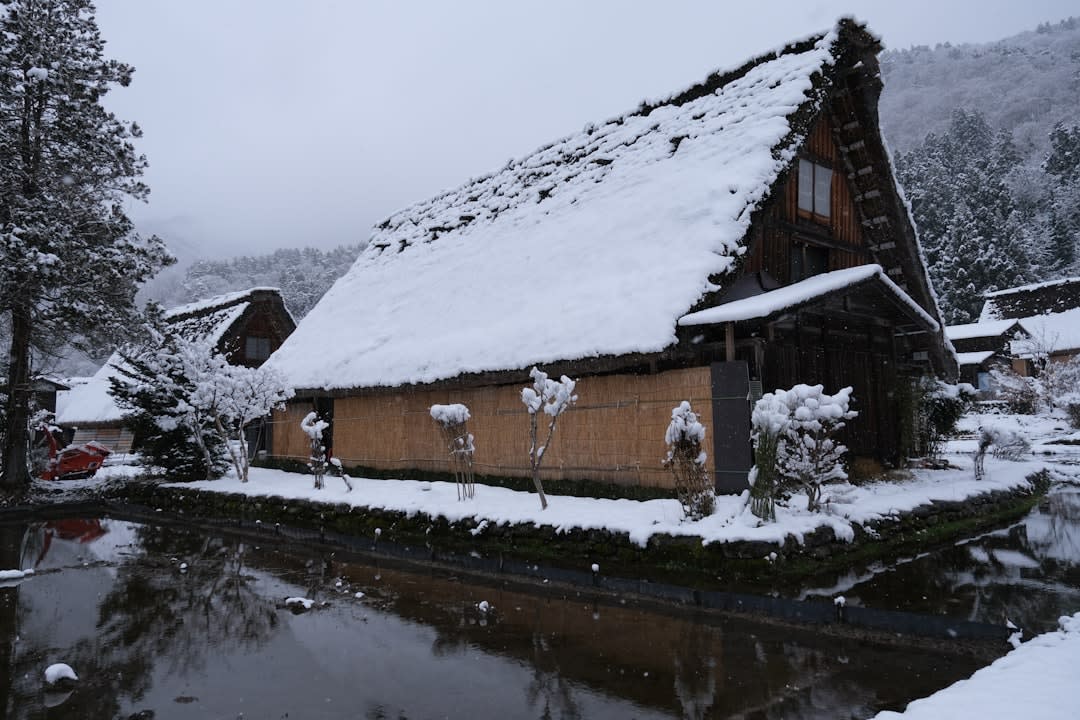
We drifted with everyone else, stopping for a beer from a vending machine, playing the small arcade and ring-toss games some of the inns keep by their doors, watching the steam curl up past the lanterns. Lia said it felt like the whole town had agreed to slow down at the same time. It had.
Crab, Beer, and the Long Soak
We came in late autumn, right at the edge of crab season, which on this stretch of the Sea of Japan coast is a serious matter — the local Matsuba snow crab is the reason many Japanese visitors make the trip at all. Our inn served it as a feast: crab sashimi, crab grilled over coals, crab simmered at the table in a pot, until we had more or less run out of ways to eat crab and kept going anyway.
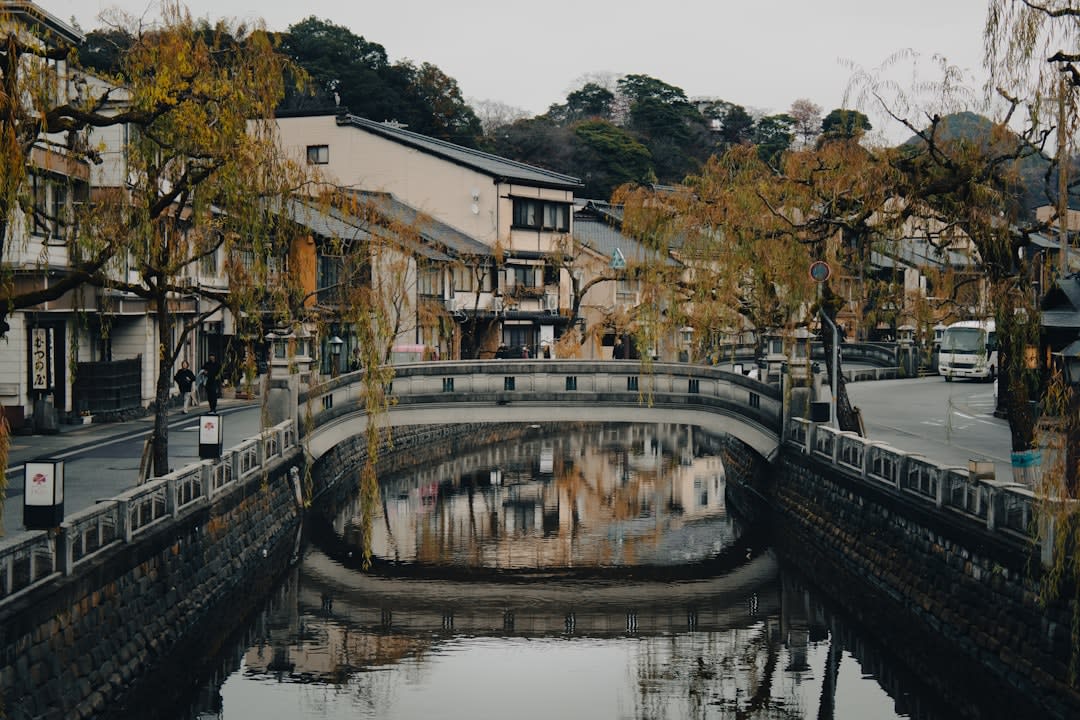
Afterward, too full to do anything sensible, we walked one more circuit of the canal and slipped into the cave bath at Ichino-yu to finish the night. There is a particular contentment in soaking in hot water in the dark with a belly full of crab and nowhere at all to be. I would go back to Kinosaki for that feeling alone.
Getting There
Kinosaki Onsen sits on the northern Hyōgo coast and is easiest reached by the direct limited express Kinosaki or Konotori trains from Kyoto (about two and a half hours) or Osaka. The station is a two-minute walk from the head of the canal, and the whole town is small enough to cover entirely on foot — indeed, walking in yukata and geta is the point, so don’t plan on a car. Book a ryokan or minshuku that includes the bathhouse pass and, if you come between November and March, one that serves crab. Stay at least one night: Kinosaki is a place to be soaked in slowly, not glanced at.
Keep exploring
More of Kansai