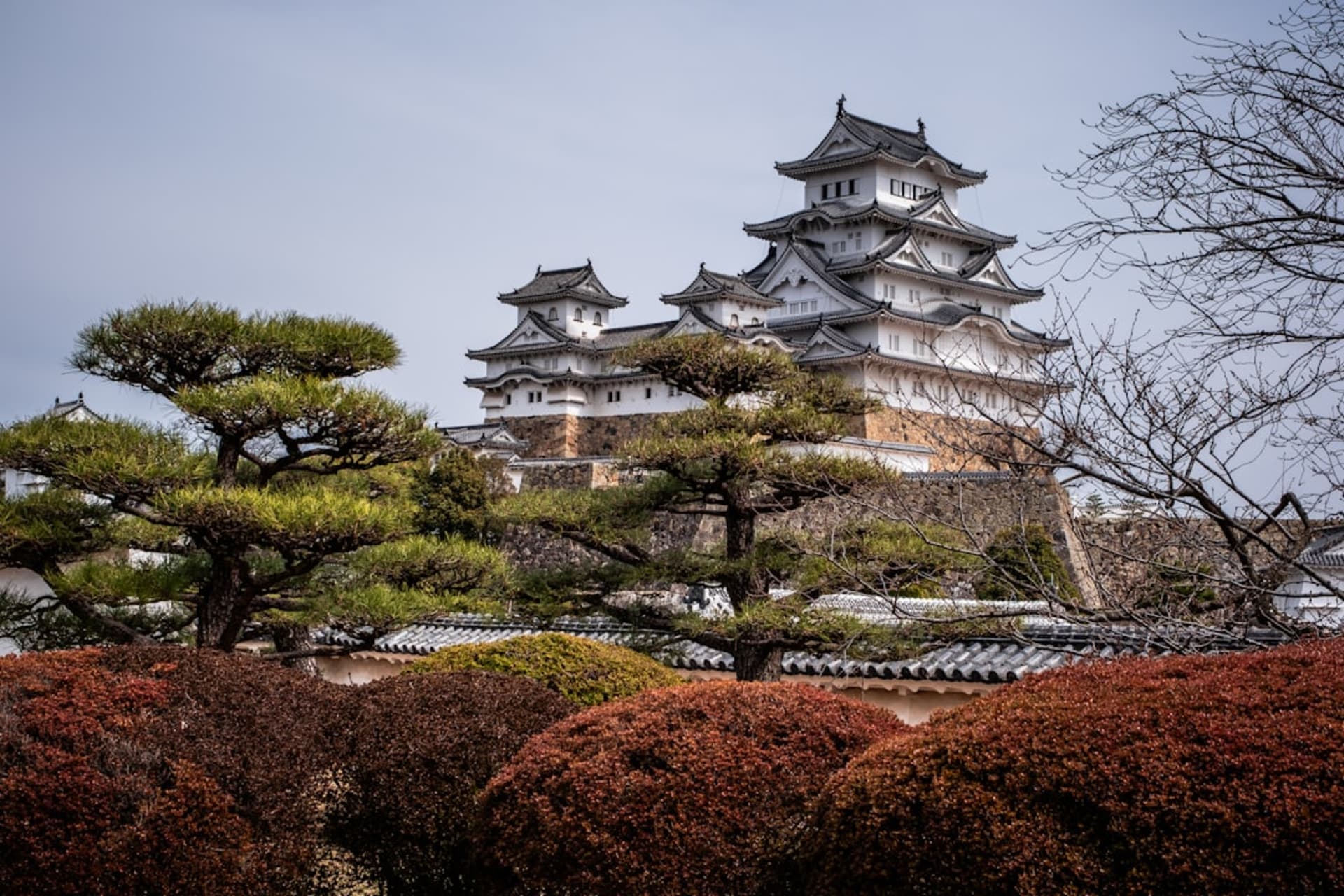
Himeji
"It floated at the end of the avenue, impossibly white, and I understood the heron comparison at once."
A Hyōgo city built around the finest surviving feudal castle in Japan — the 'White Heron,' its brilliant white walls rising over the plain. Cherry blossoms in spring, steep dark staircases within, and a fortress that never fell. The great day-trip icon of western Japan.
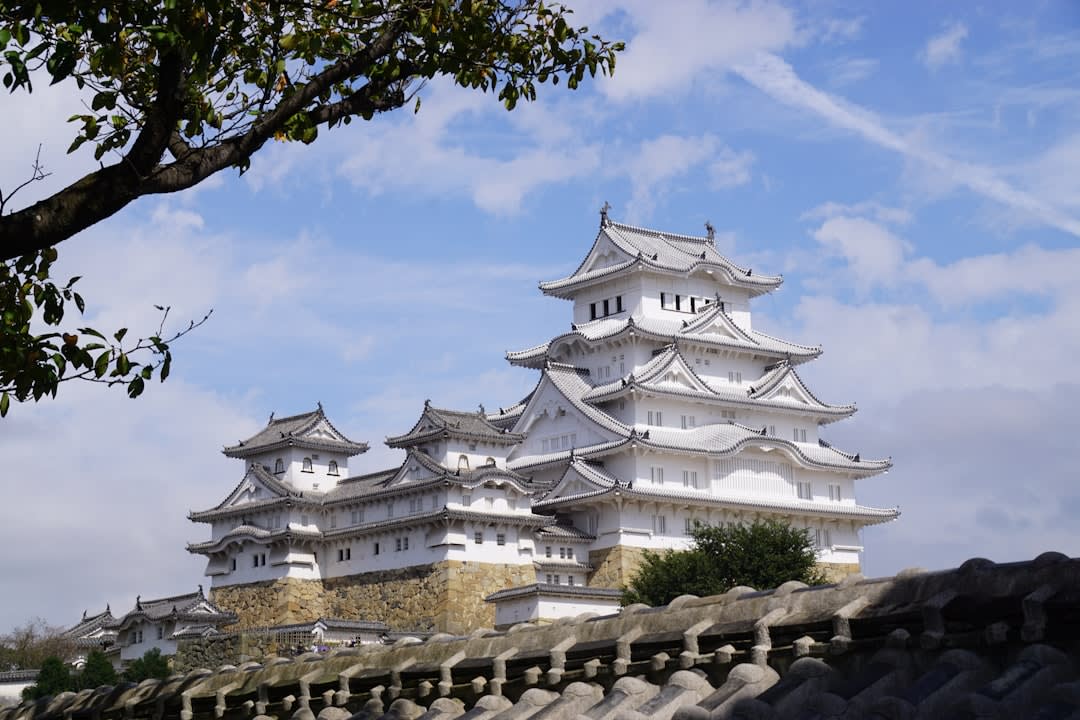
You see it before you have quite left the station. Lia and I stepped out of Himeji Station, turned to the north, and there it was at the end of a broad straight avenue — the castle, white and improbable, floating above the city like something that had not entirely agreed to be real. Most of Japan’s original castles are reconstructions in concrete, honest about their losses. Himeji Castle is the exception: it survived the wars, the fires, the bombing that flattened the city around it, and it stands today essentially as it did four centuries ago. We walked the whole avenue toward it slowly, and it grew larger and whiter with every block, and I kept expecting it to lose its magic up close. It never did.
The White Heron Keep
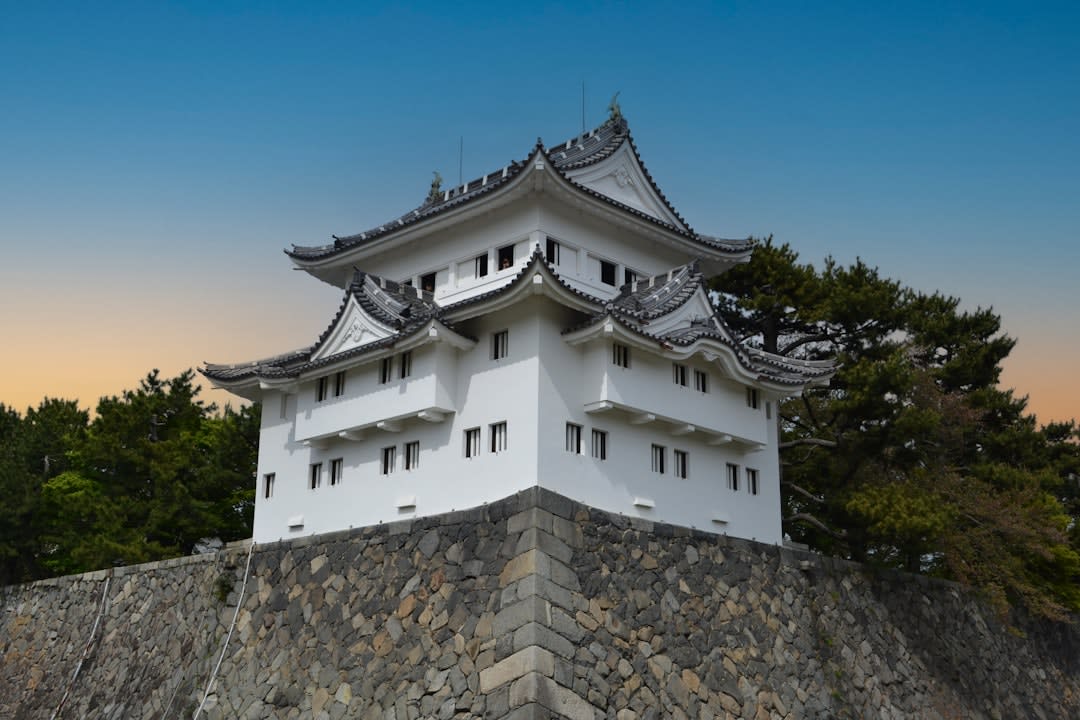
They call it Shirasagi-jō, the White Heron Castle, for the way the whitewashed plaster of its walls and the sweep of its layered roofs suggest a great bird about to take flight. The main keep rises six storeys over its stone base, and the closer you get the more you appreciate the engineering of it — the curving stone ramparts, the maze of gates and courtyards designed to confuse and trap an attacking army, the gun-ports and arrow-slits worked into walls that are also, somehow, beautiful.
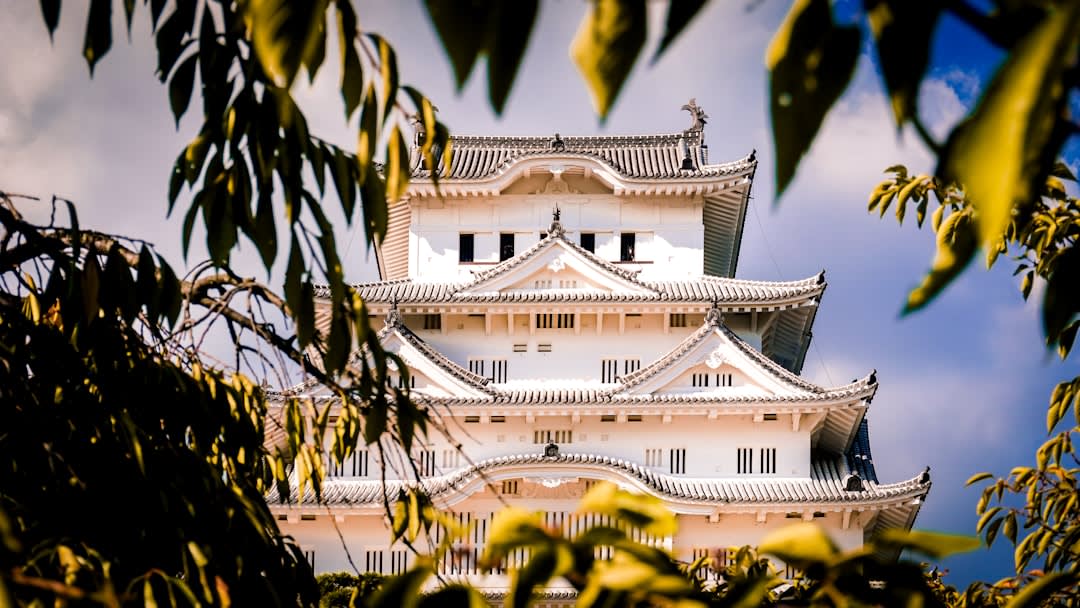
We spent a while just circling the base before going in, following the deliberately baffling approach path that loops back on itself again and again. It was built so that invaders would be exposed to fire from above at every turn. As a visitor you experience it as a slow, winding reveal, the keep appearing and disappearing over the walls as you climb.
Inside the Keep
The interior surprised me. After the brilliance of the exterior, the inside of the keep is dark, austere, and steep — bare wooden floors, enormous central pillars running the full height of the tower, and staircases so sharp they are closer to ladders. You climb in socks, carrying your shoes in a plastic bag, up through the storeys as the rooms grow smaller and the light dimmer.
At the top, the topmost floor holds a small shrine and a set of windows looking out over the whole city and the plain beyond, all the way to the mountains. Lia leaned in one window frame and I leaned in the next, and we caught our breath from the climb and looked out over the roofs of Himeji, the same view a lord would have had of land he ruled. The wood underfoot was worn smooth and slightly cool. It felt, more than any reconstruction could, genuinely old.
The Grounds and the Blossom
We had timed it, half by luck, for cherry blossom season, and the grounds around the castle — especially the western Nishi-no-maru bailey and the moats — were heavy with it. The white of the keep against the pink of the blossom and the blue of the sky is one of the most photographed sights in Japan, and standing under it I found I did not mind being one more person photographing it.
Afterward we wandered into the adjacent Kōko-en, a set of nine walled Edo-style gardens laid out on the site of the old samurai residences, and had matcha in a tea house overlooking a koi pond while the crowds thinned. It made a quiet, green coda to a morning spent craning our necks at a fortress.
Getting There
Himeji is one of the easiest day trips in western Japan. It sits on the main San’yō Shinkansen line, roughly an hour from Osaka and forty minutes from Kyoto by bullet train, and even the local trains along the JR Kobe line reach it comfortably. From the station the castle is a straight fifteen-minute walk north up Ōtemae-dori, or a short bus ride. Go early — the keep’s staircases create bottlenecks and queues build up by mid-morning, especially in blossom season. A few hours covers the castle and Kōko-en; combine it with Kobe or Osaka to fill the day.
Keep exploring
More of Kansai