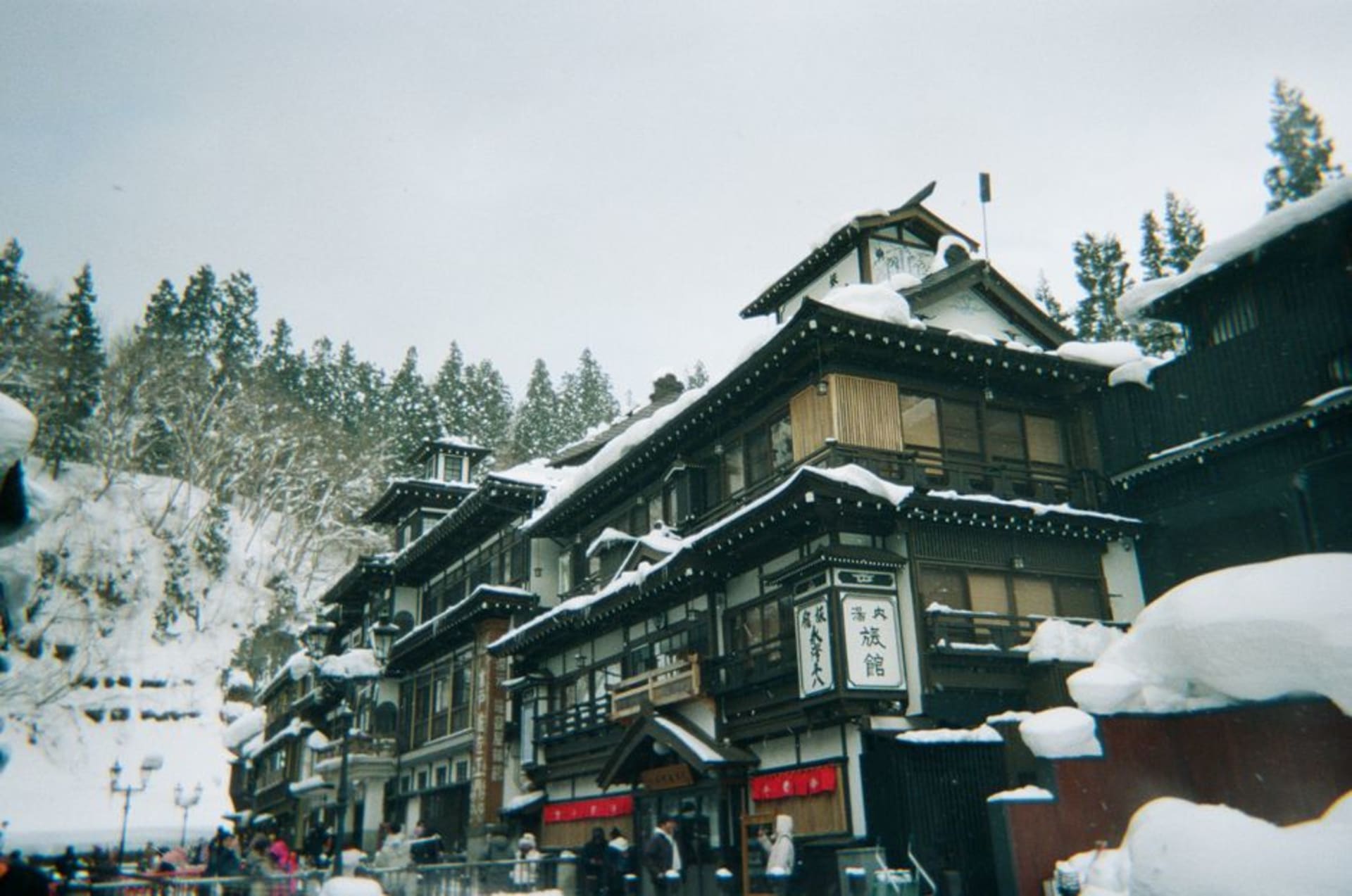
An ancient hot-spring town folded into the hills behind Kobe, where the water runs iron-red 'gold' and clear 'silver' from springs written about for over a thousand years. We came stiff from too much walking and left loose as cats. Narrow lanes, steam, and the smell of iron.
By the time we reached Arima we were wrecked — days of temple stairs and mountain trails had caught up with us, and Lia announced on the bus that she was not walking one more famous thing. So we didn’t. We came for the water and nothing else. Arima is one of Japan’s oldest hot-spring towns, mentioned in records more than a thousand years old, tucked into a fold of the hills just behind Kobe but feeling a world away. We dropped our bags, put on the yukata robes waiting in our room, and shuffled straight to the baths. The first sink into the hot mineral water, that involuntary groan, all the walking of the week dissolving out through my shoulders — I’d travel a long way to feel that again.
Gold Water and Silver Water
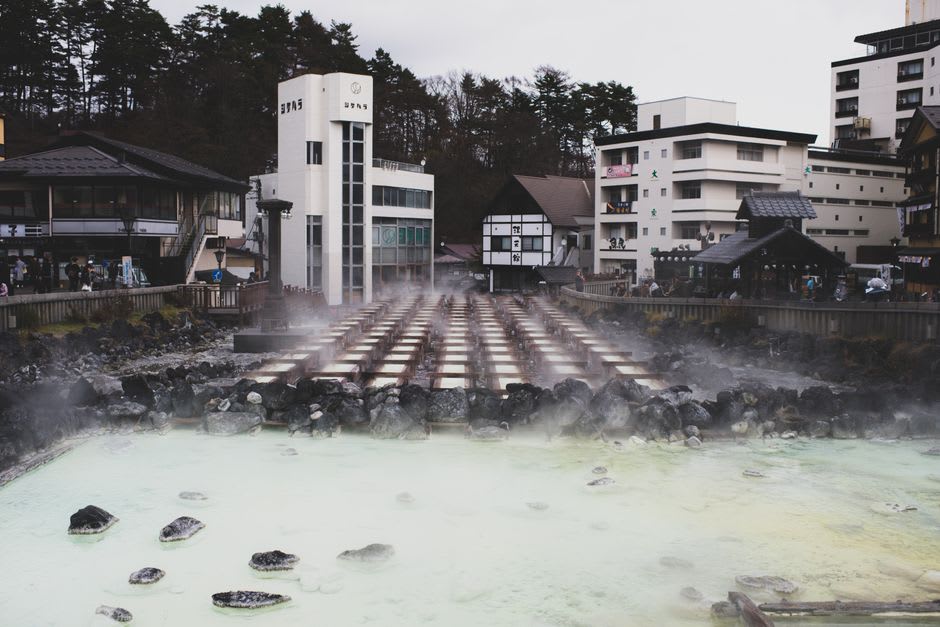
Arima is famous for two kinds of spring, and they could not be more different. The kinsen, or “gold water,” runs a deep opaque rust-red, coloured by iron and salt, and it stains the stone and stays warm in your skin for hours afterward — it’s said to be good for aches and cold, and after our week I believe it. The ginsen, or “silver water,” is clear and carbonated, radium and carbonate springs, lighter and fizzing faintly against the body. We tried both, in the town’s two public bathhouses, Kin no Yu and Gin no Yu, going pink and boneless in turn. The iron smell of the gold water gets into everything, faintly metallic and earthy, and I found I didn’t want to wash it off.
Wandering the Old Lanes
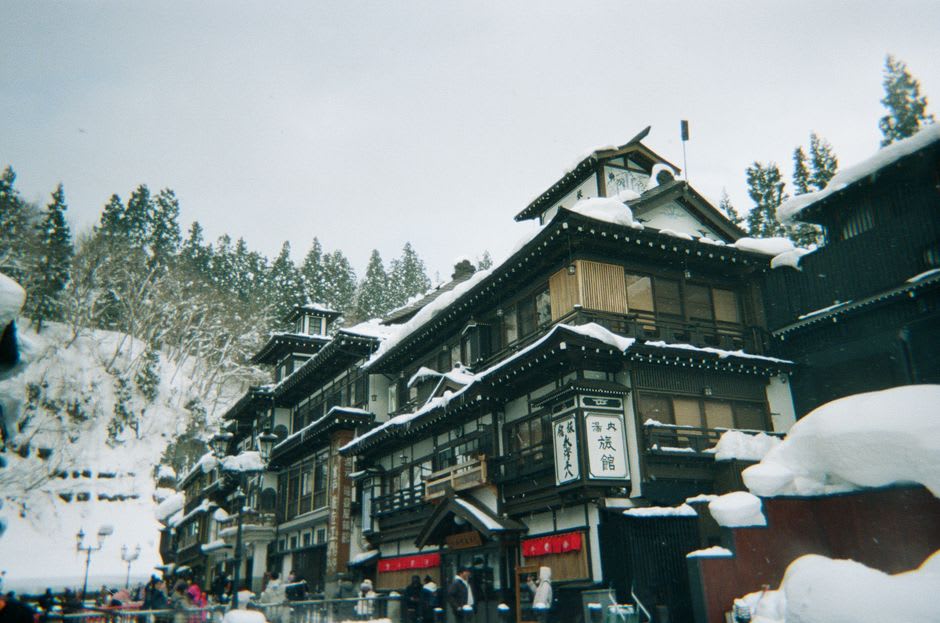
Between soaks, the one thing we did do was drift up and down Arima’s narrow sloping lanes, which is less walking than gentle floating in a yukata. The old town is a knot of stone steps and wooden shopfronts, steam curling up from grates and springs, cats dozing in warm corners. We bought tansan senbei, thin carbonated-water crackers made with the spring water, still warm from the iron press, and watched an old woman make them one at a time. There are little shrines and temples tucked between the inns, and a spot where you can see the hot source bubbling up, and the whole place smells of iron, woodsmoke, and something sweet from the cracker shops. It’s small enough to wander end to end in an hour and pleasant enough to do it three times.
An Evening in a Ryokan
We’d splurged on a night in a ryokan with its own baths, and it turned the visit from a stop into a memory. Dinner was kaiseki, course after small course carried in on lacquer trays, Kobe beef seared on a hot stone at the table, mountain vegetables, a clear soup that tasted of the season. Afterward, warm from the food and the sake, we took one last soak in the outdoor bath under the hills, steam rising into the cold night, the lights of the town below. Back in the room the futons had been laid out while we ate. Lia was asleep almost before her head touched the pillow. I lay awake a little longer, listening to the water somewhere outside, feeling entirely unwound.
Getting There
Arima Onsen is remarkably close to the city for how remote it feels. From Kobe (Sannomiya) you can take a direct bus in about thirty minutes, or ride the subway and the Arima line via Tanigami for a scenic rail approach. From Osaka, direct highway buses run to Arima in around an hour. Day-trippers can bathe at the public Kin no Yu and Gin no Yu bathhouses without staying over, but if you can manage a night in a ryokan, do — Arima rewards the slow evening far more than the quick dip.
Keep exploring
More of Kansai