
Shiraoi
"For once, Lia said, the story wasn't being told about someone — it was being told by them."
A quiet lakeside town on Hokkaidō's southern coast, Shiraoi is home to Upopoy, the national museum and park built to honour Ainu culture — a place that finally gives Japan's Indigenous people the centre of the stage. We went expecting a museum and found something closer to a conversation.
I’ll admit I knew embarrassingly little about the Ainu before we came to Shiraoi. A footnote in a guidebook, a face in an old photograph, the vague sense of a people who had been here first and then somehow, in the official telling, thinned out of the frame. It was Lia who insisted we make the stop — a small town on Lake Poroto, an hour or so short of Sapporo — and by the time we left I was ashamed of everything I hadn’t asked.
Upopoy, on the shore of Poroto
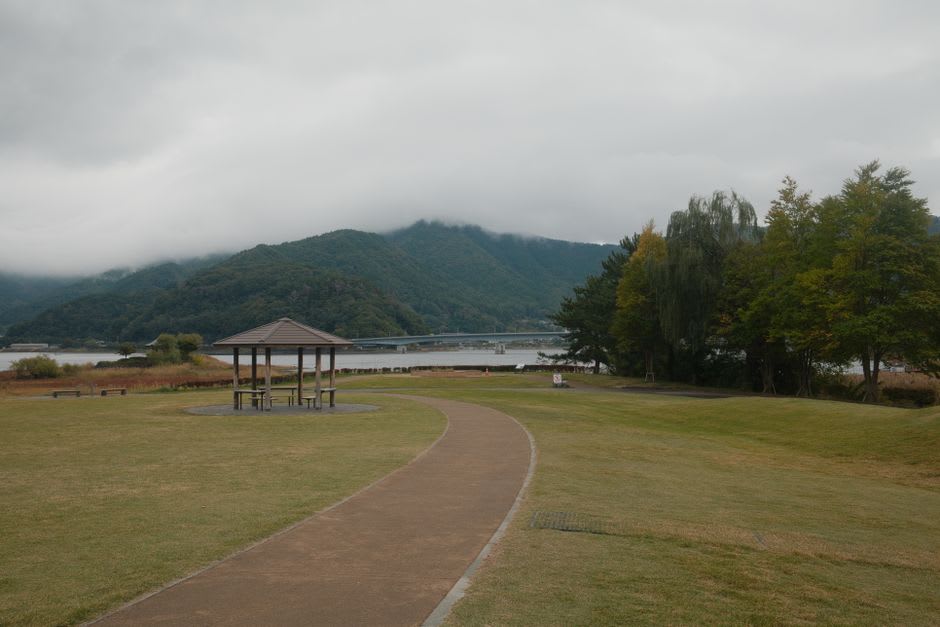
Upopoy opened in 2020 as Japan’s national centre for Ainu culture, and the word itself means “singing together in a large group.” It sits along the reedy edge of Lake Poroto, low wooden buildings and reconstructed cise — thatched houses — reflected in still water. The main museum does something I’ve rarely felt in Japan: it tells the story in the first person. Ainu voices, Ainu language on every panel above the Japanese, Ainu hands in the carvings. We sat through a performance in the round hall — throat games, a plucked tonkori, a bear dance — and Lia gripped my arm during a song whose meaning I couldn’t follow but whose grief I somehow could.
The weight of the word “museum”
Part of Upopoy is a memorial — a quiet building holding Ainu remains that Japanese universities took, without consent, in the name of research, and are only now beginning to return. We stood there in silence for a while. It’s a strange, necessary thing, to build a place that is at once a celebration and an apology, and I don’t think the museum entirely resolves the tension, nor should it. A woman demonstrating embroidery showed Lia the moreu, the spiralling protective patterns, and explained how each family once had its own. “We are not a past tense,” she said, threading her needle, and it landed on me like a small stone.
The lake, the town, the quiet after
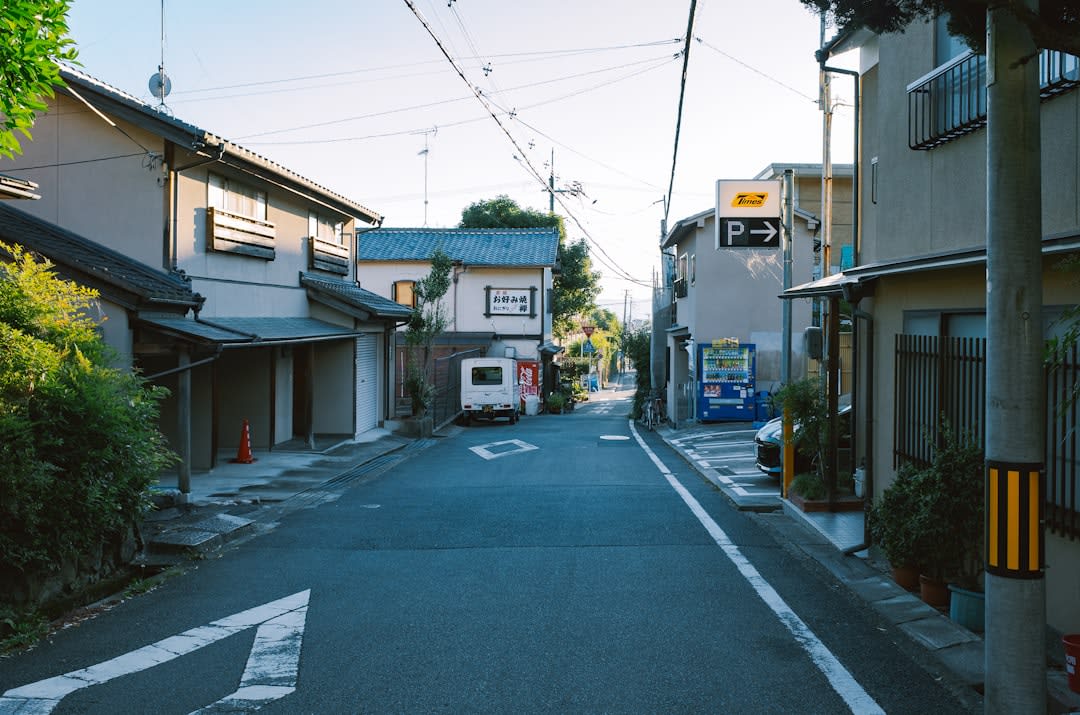
We walked the shore of Poroto afterward, needing the air. Shiraoi itself is an unhurried coastal town — it’s known across Hokkaidō for its beef, and we ate a plain, extraordinary bowl of it at a place near the station, the fat melting the moment it hit the rice. But mostly I remember the lake going silver as the afternoon tipped over, a heron standing in the reeds, and how little either of us felt like talking. Some places send you out buzzing. Shiraoi sent us out thoughtful, which I’ve come to think is the rarer and better gift.
Getting There
Shiraoi is easy: it sits on the JR Muroran Main Line between Tomakomai and Noboribetsu, about seventy minutes by limited express from Sapporo, and Upopoy is a well-signed ten-minute walk from Shiraoi Station. Coming from New Chitose Airport it’s under an hour. Give the museum a full half-day at least — the performances run to a schedule, so check the day’s timetable when you arrive and build around it. If you can, pair it with a night in nearby Noboribetsu’s hot springs; the two together make one of Hokkaidō’s most quietly moving days.
Keep exploring
More of Hokkaidō