Wajima
"An old woman pressed a dried fish into Lia's hand at the market and refused, laughing, to take a single yen."
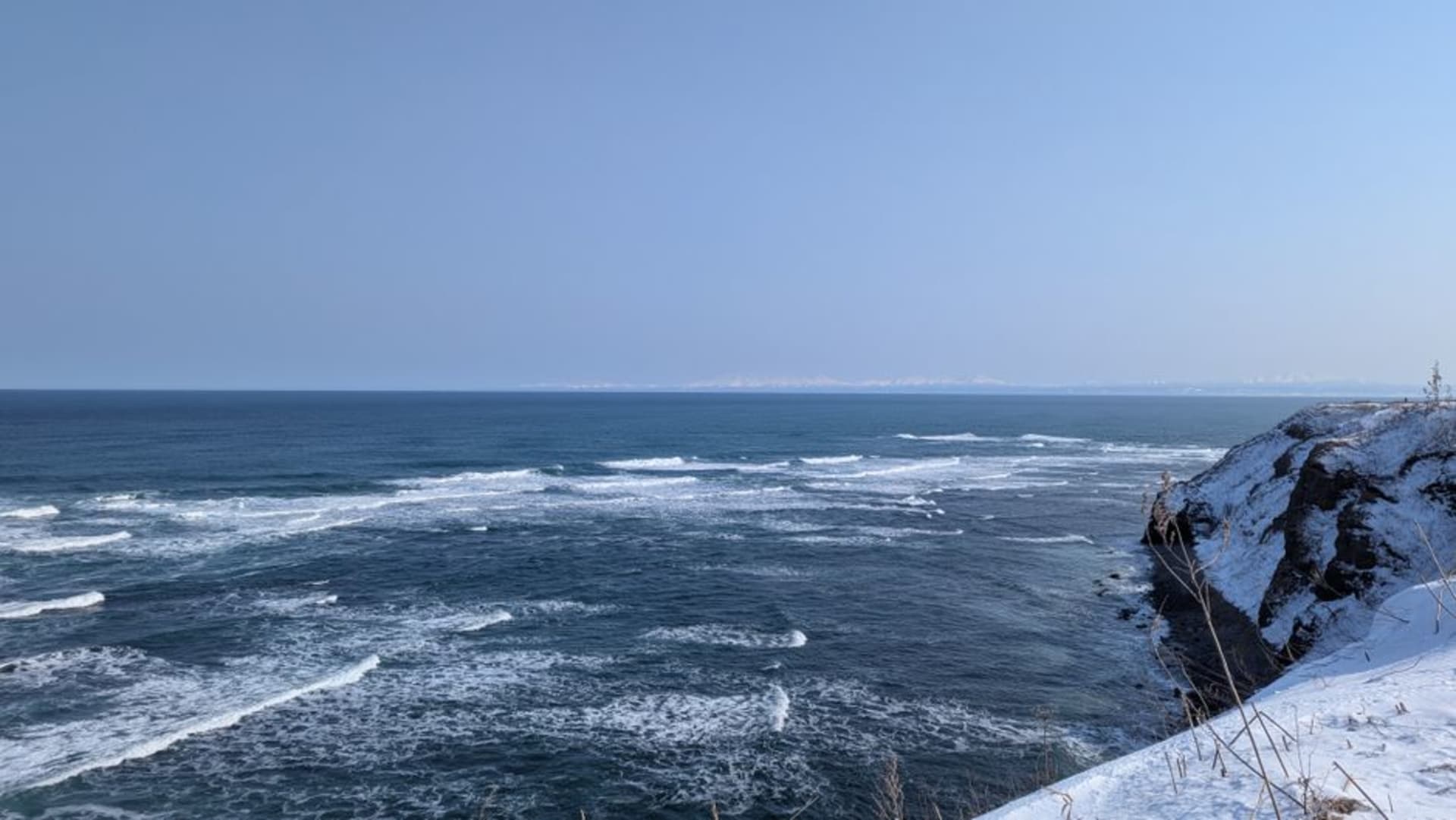
A weathered town on the wild tip of the Noto Peninsula, where a morning market has run for a thousand years, lacquer masters still lay gold onto black bowls, and rice terraces step down to the very edge of the Sea of Japan.
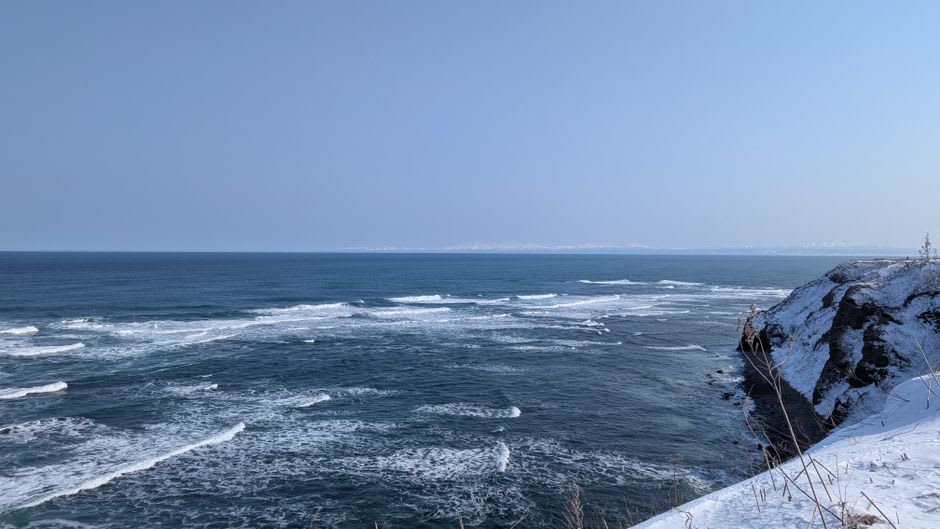
Noto is where Japan runs out. The peninsula hooks up into the Sea of Japan like a bent finger, and the roads get narrower and older the further you go, until you reach Wajima at the very tip and the land simply stops at a grey, restless sea. We rented a small car in Kanazawa and drove the whole crooked length of it, and by the time we rolled into Wajima in the late afternoon we felt we’d travelled much further than the map suggested.
This was long before the earthquake that would later shake this coast so hard, and I hold the memory carefully now. Wajima then was a town that had been quietly making beautiful things and selling fresh fish since before most of Europe’s cities existed, and it wore its age with an ease that made us slow right down.
The morning market
You have to be up early, and it’s worth every yawn. Wajima’s asaichi, its morning market, has run along a single street for more than a thousand years, and it is entirely, gloriously a local affair. Old women, most of them, set out their goods on low tables: dried fish, seaweed, pickles, hand-carved chopsticks, the odd tray of just-landed squid still glistening.
One of them pressed a strip of dried fish into Lia’s hand, insisted she taste it, and then refused with a laugh to take a single yen for it. We bought grilled seafood from a stall further down and ate it walking, salt on our lips, and fell into a halting conversation with a vendor who’d been coming to this same stretch of pavement for fifty years. There was no performance to any of it. It was simply how the town began its day, and had begun it for a very long time.
Black and gold: Wajima-nuri
Wajima’s other treasure is its lacquerware, Wajima-nuri, and once you’ve held a piece you understand why it commands the prices it does. The process is famously exacting, dozens of layers built up over months, the base strengthened with a local diatomaceous earth, the surface finished in a black so deep it seems to have weight, then decorated in gold.
We visited a workshop where a craftsman was laying gold leaf onto a bowl with a brush and a patience I could not fathom. He let Lia hold a finished tray and told us, matter-of-factly, that a set could take the better part of a year and pass through many hands. In the town’s lacquer museum we saw pieces centuries old, still gleaming. I bought a single small cup, more than I meant to spend, and it sits on our shelf now as the most quietly perfect object we own.
Rice terraces at the sea’s edge
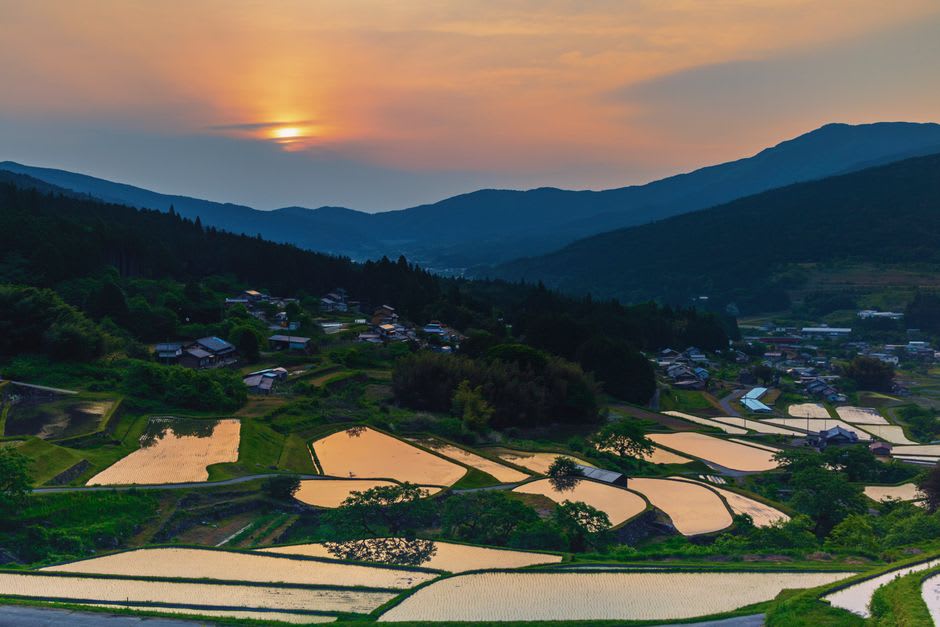
Just west of town, along the coast road, the land does something extraordinary. At Shiroyone Senmaida, more than a thousand tiny rice paddies step down the hillside in narrow curved terraces right to the lip of the Sea of Japan. There is no flat ground here to spare, so generations carved the slope into these little mirrors, each one hand-worked because no machine could fit.
We got there for sunset, and the low light turned every flooded paddy into a shard of orange against the darkening sea. A handful of other people stood along the railing, nobody speaking much. In winter, we were told, they string the terraces with thousands of small lights after dark. We had only the sun, sinking straight into the water beyond the fields, and it was more than enough.
Getting There
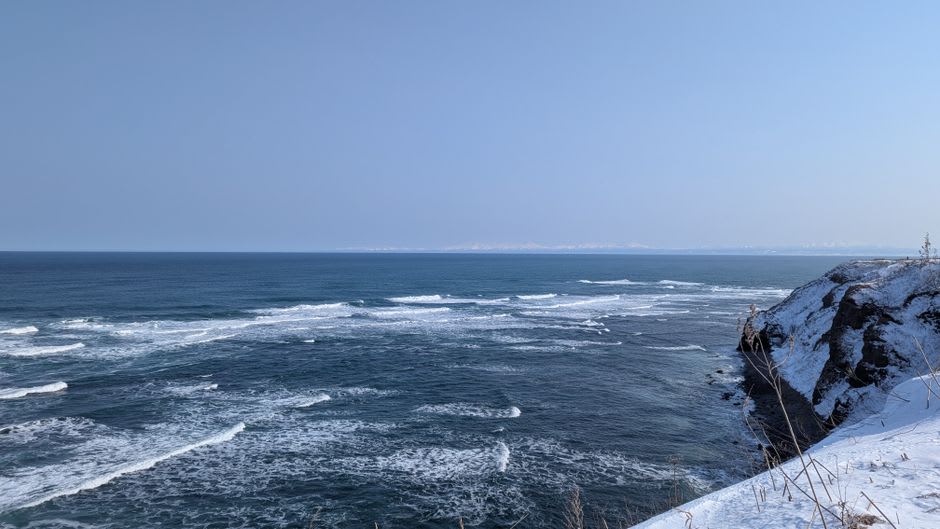
Wajima lies at the far northern tip of the Noto Peninsula in Ishikawa, and getting there is genuinely part of it. The easiest base is Kanazawa; from there, express buses run up the peninsula to Wajima in around two hours. Far better, if you can, is to hire a car and drive the coast, stopping at the sea-carved cliffs and fishing hamlets along the way, as the peninsula rewards a slow, wandering route. Public transport on Noto is sparse and thins out further north, so check timetables carefully. Note that this coast was struck by a major earthquake in early 2024 and parts of the area, including the market, have been affected, so look into current conditions and support the town’s recovery if you go.
Keep exploring
More of Chūbu