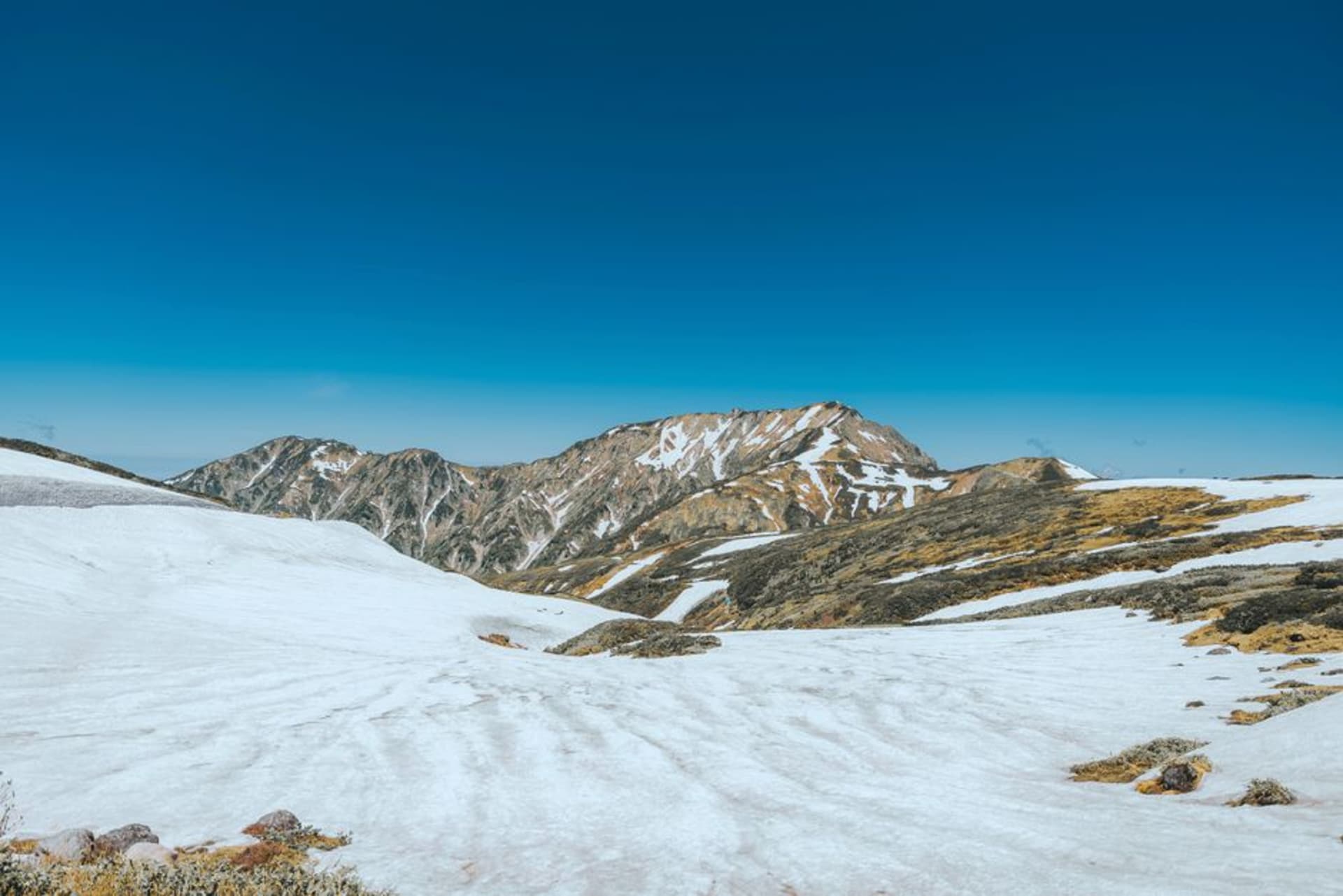
A clean, quietly modern bay city on the Sea of Japan, backed by the towering wall of the Tateyama alps. Famed for translucent white shrimp and glowing firefly squid, a dazzling glass-art museum, and its role as the eastern gateway to the Alpine Route.
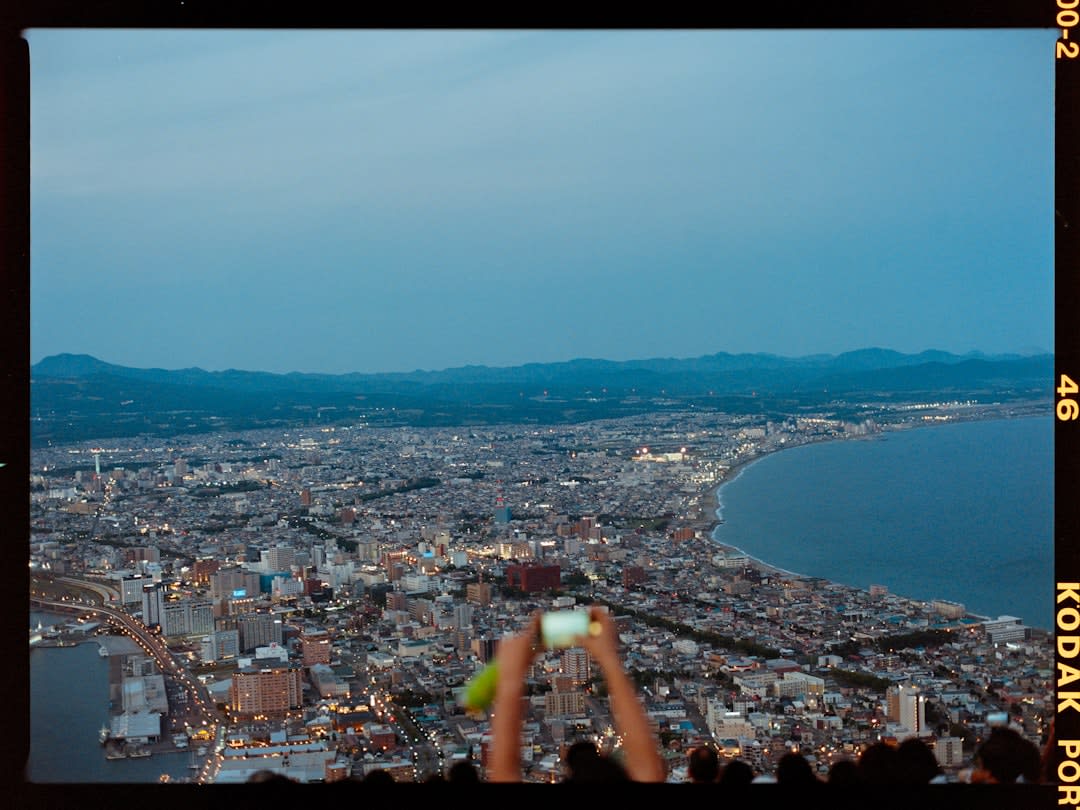
Toyama surprised me by having no single famous sight and being wonderful anyway. Lia and I arrived expecting only a place to sleep before the Alpine Route, and found a city so clean and calm and well-made that we ended up giving it two full days. It sits on a wide bay on the Sea of Japan side of central Honshū, and its defining feature is the view inland: turn away from the water and the Tateyama mountains rise in a sheer white wall, close enough that on our first evening the last light was still catching the snow on the peaks long after the streets had gone to shadow. It is a modern city, rebuilt after the war, threaded with trams and rivers, and it wears its quiet prosperity lightly.
The Glass City
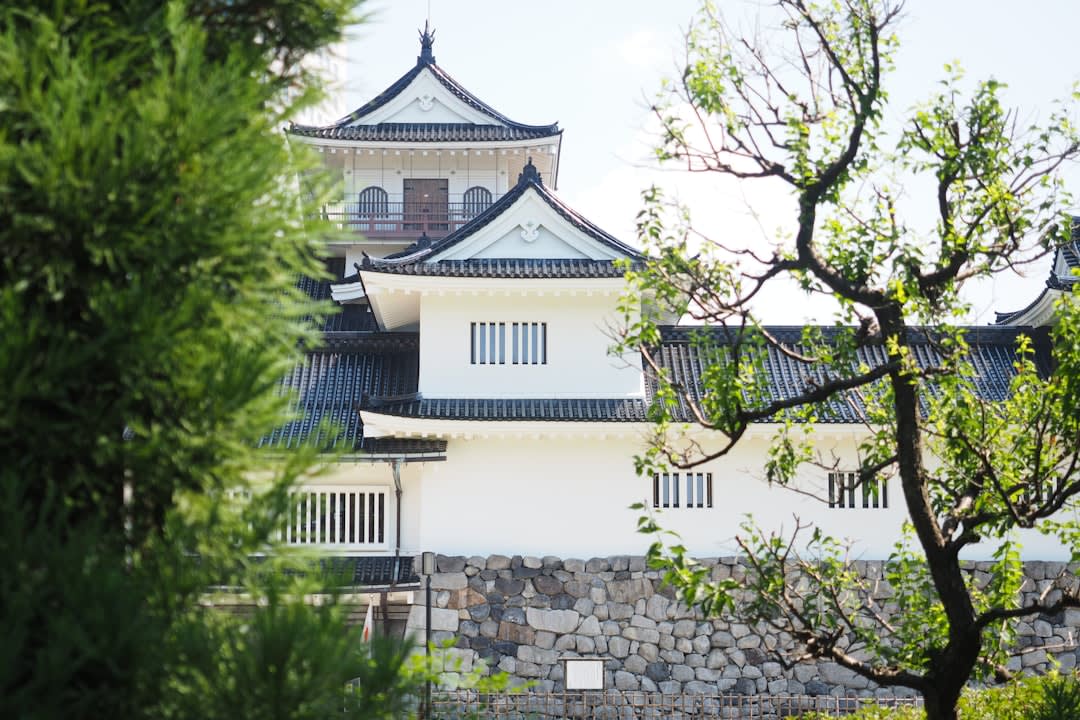
Toyama has reinvented itself around glass, and the centrepiece is the Toyama Glass Art Museum, housed in a striking building of stone, wood, and light designed by Kengo Kuma. Inside, the galleries spiral upward around a soaring atrium of angled timber, and the collection of contemporary glass — Dale Chihuly’s wild chandeliers among it — glows against the pale wood like something living. Lia, who trained in ceramics years ago, moved through it slowly, and I mostly watched her watch the pieces. The building shares its space with the city library, so students sat reading beneath the art, and the whole place had an unforced, everyday relationship with beauty that I found very Japanese and very moving.
Shrimp Like Glass
The bay gives Toyama its other treasure, which is seafood, and specifically two things you’ll struggle to find so fresh anywhere else. Shiro-ebi, the white shrimp, are tiny, translucent, faintly sweet creatures hauled from the deep bay, and served raw over rice they look like little slivers of pink glass and taste of the clean cold sea. And hotaru-ika, the firefly squid, which gather in the bay each spring in such numbers that they light the shallows blue at night — served boiled with a miso-vinegar dressing, they’re rich and briny and unlike anything I’d eaten. We had both at a counter near the fish market, the chef explaining each in patient English, and I remember thinking that a city this understated had no business having food this good.
Under the Tateyama Wall
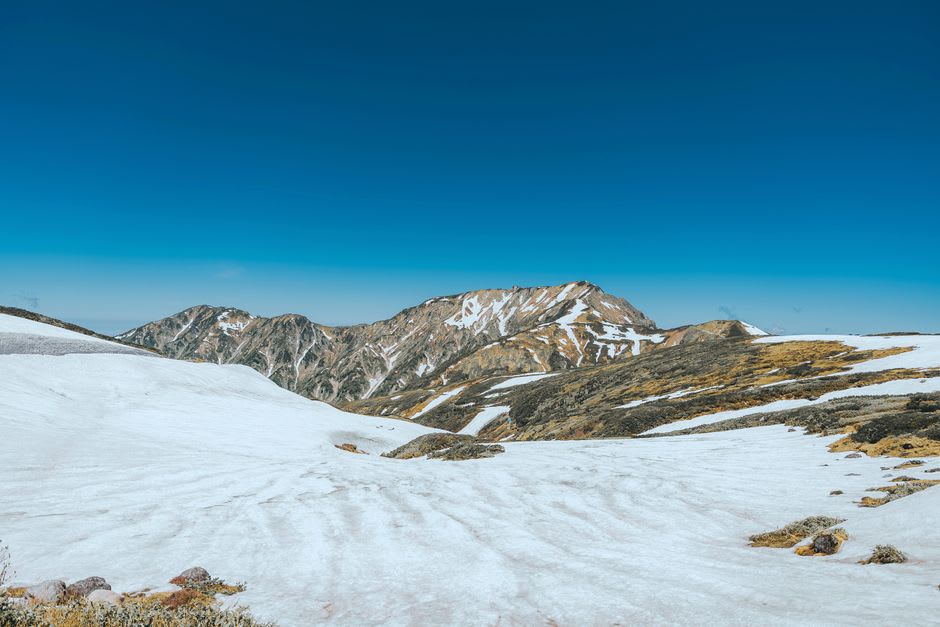
But it’s the mountains that give Toyama its soul, and you feel it just walking the city — that constant presence of the Tateyama range filling the eastern sky. We rode one of the city’s little trams out toward the edge of town partly just to look at them, and on a clear morning the whole serrated wall stood up sharp and white above the rooftops. Toyama is the eastern doorway to the Tateyama Kurobe Alpine Route, the astonishing traverse over the range with its walls of spring snow, and half the travellers in our guesthouse were bound there. But even if you never set foot on the mountains, having them loom over every street gives the city a grandeur it would otherwise lack. Lia said Toyama felt like it was quietly proud of its neighbours, and I knew exactly what she meant.
Getting There
Toyama became far easier to reach when the Hokuriku Shinkansen opened: bullet trains run from Tokyo in around two hours, and the line continues west toward Kanazawa, twenty-odd minutes further on. From the Kansai side you can come up via limited express from Osaka or Kyoto. The city itself is compact and served by an easy tram network that loops the centre and runs out to the port at Iwase, with its old sake warehouses. Toyama is the natural base for the Tateyama Kurobe Alpine Route, open roughly mid-April to late November; come in spring to walk between the towering snow corridors, or in autumn for the colour on the peaks — and eat the shrimp whatever the season.
Keep exploring
More of Chūbu