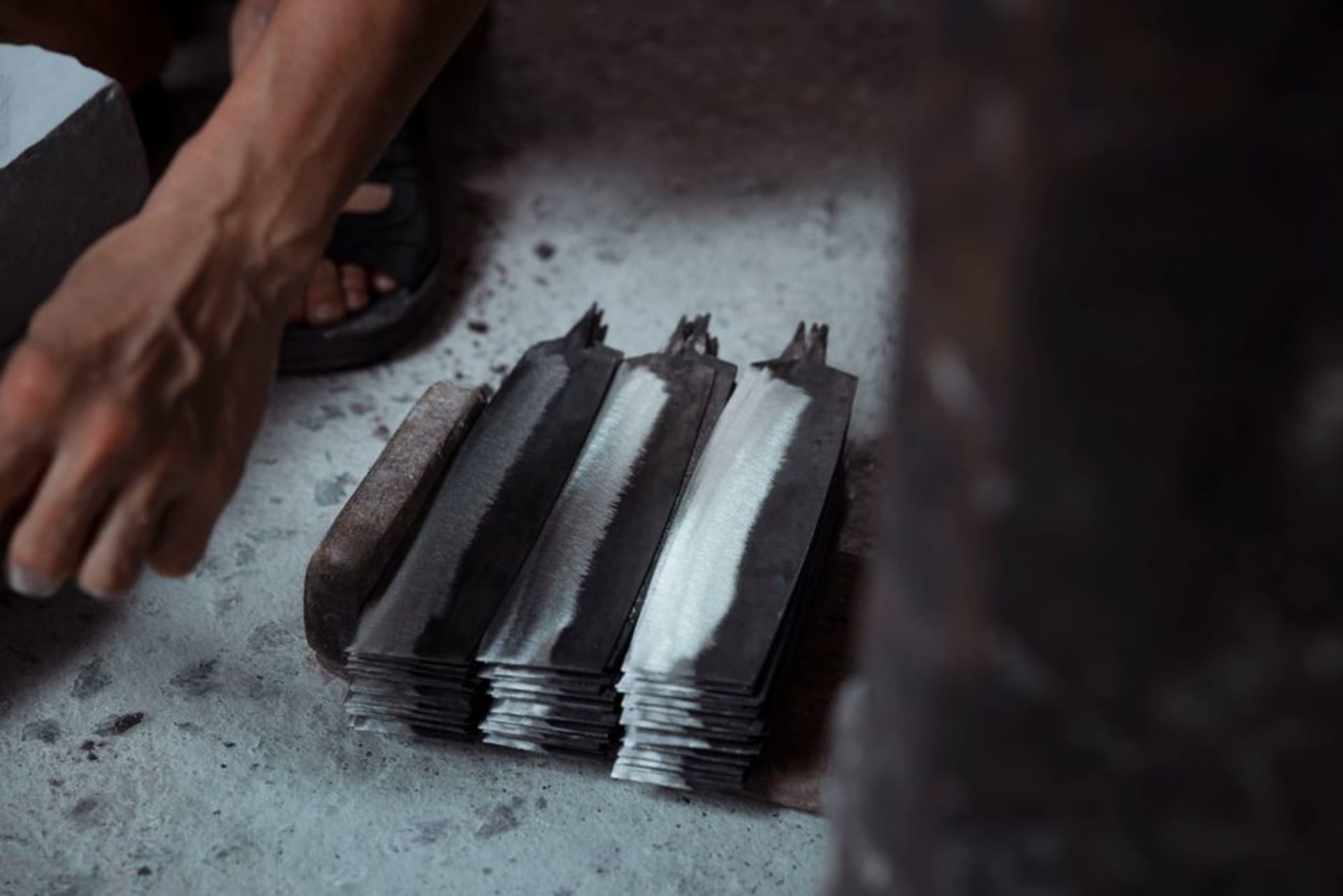
Seki
"The steel went from orange to white and the smith struck it — and I forgot to breathe."
A Gifu town that has forged blades for seven hundred years, once the sword capital of Japan and still one of the world's great centres of cutlery. A place where you can watch a smith fold and hammer glowing steel, and where the whole town smells faintly of hot metal and cherry-charcoal.
I have wanted to watch a swordsmith work since I was a boy in France reading too many samurai comics, so when Lia and I planned our Gifu days, Seki was non-negotiable. It is not a beautiful town in the postcard sense — it’s a working place of workshops and factories — but it has been forging blades for seven hundred years, and that history is not behind glass. On our first morning we stood in a dim forge, a metre from a smith folding a bar of steel, and when the metal went from orange to white and his hammer came down in a spray of sparks, I genuinely forgot to breathe.
The Sword Town
Seki became Japan’s great sword town in the medieval period, its smiths prized for blades that were said to cut supremely well yet rarely break — a reputation built on the region’s clean water, good charcoal, and iron sand. That heritage is kept alive at the Seki Sword Tradition Museum (Seki Kaji Denshōkan), where, on set days each month, licensed traditional smiths give a public forging demonstration using the old methods, folding the steel again and again to drive out impurities.
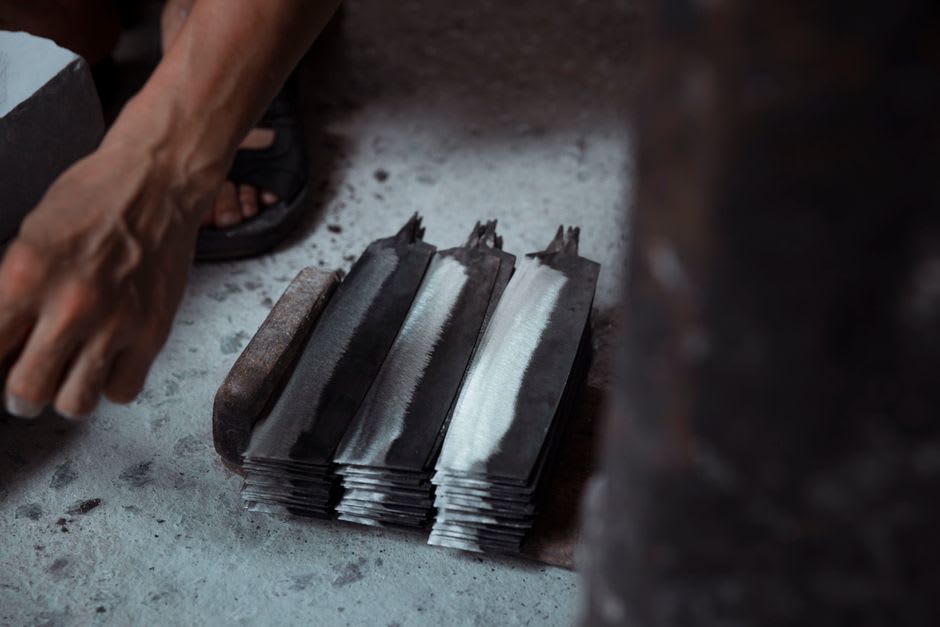
We were lucky to catch one. Two men worked in near-darkness so they could read the colour of the steel by eye — the master holding and turning the billet, the striker bringing down a great sledge on the master’s signal, the two hammers alternating in a rhythm so practised it sounded like a single doubled beat. The heat reached us across the room. Nobody spoke. When it was over the small crowd let out a collective breath, and I realised I hadn’t been the only one holding it.
From Katana to Kitchen Knives
Seki’s genius was to survive. When the sword age ended, the town turned its metallurgy to blades of every other kind — and today it is one of the world’s foremost makers of kitchen knives, razors, and scissors, the home of brands sold in professional kitchens everywhere. The town leans into it happily. Cutlery shops line the streets, and you can buy a knife made a few hundred metres from where you’re standing, ground and finished by hand.
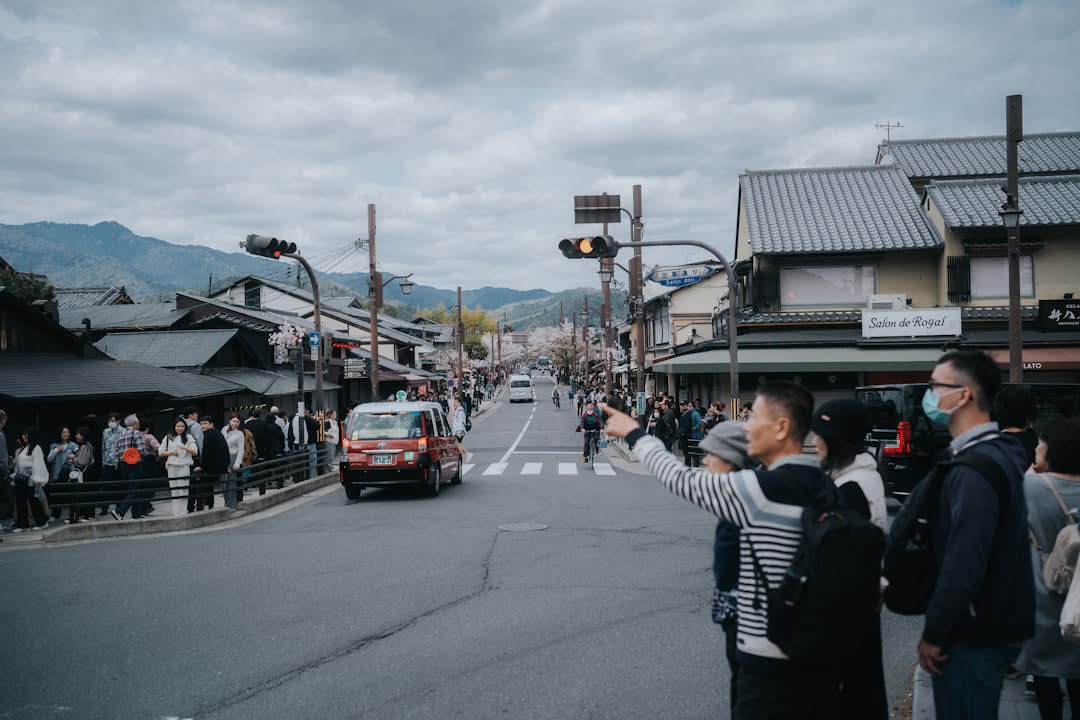
Lia, who does most of the cooking and is exacting about it, spent an hour at a maker’s shop testing the balance of santoku and gyuto blades against her palm before choosing one — a single, beautifully plain chef’s knife that she still uses almost daily and mentions, unprompted, at least once a month. Watching her choose it, I understood that Seki’s living craft isn’t nostalgia. The skill just changed what it points at.
Cormorants on the River
Seki has an older, stranger tradition too, one it shares with the Nagara River that runs through the region: ukai, night fishing with cormorants. On summer evenings, fishermen in reed skirts stand in narrow boats lit by hanging fire baskets and work tethered cormorant birds that dive for sweetfish — a technique more than a thousand years old, once patronised by shoguns and emperors.
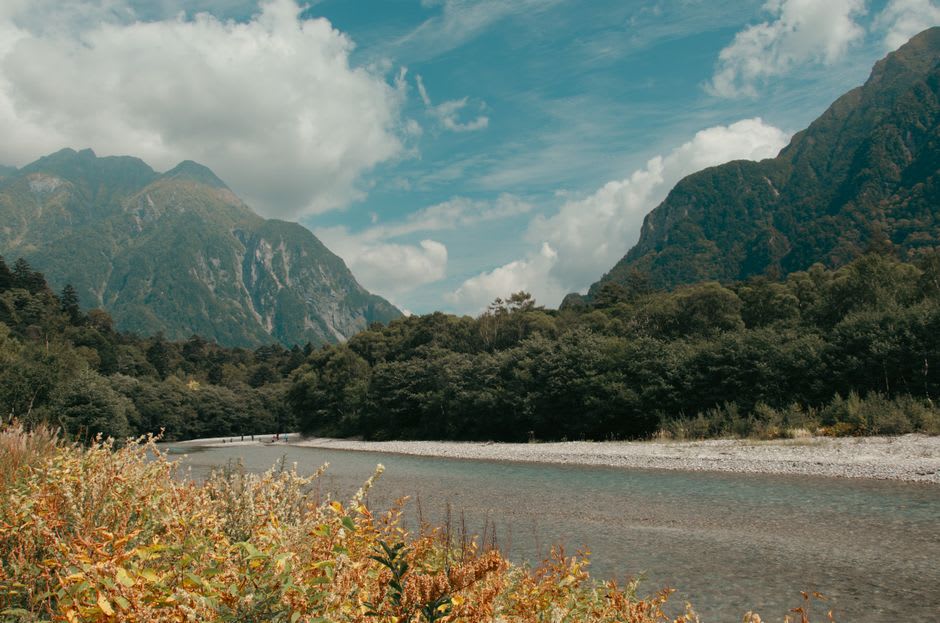
We watched from the bank one warm night, the firelight throwing long reflections on the black water, the birds surfacing and diving, the fisherman’s low calls carrying across the river. It is a spectacle that shouldn’t still exist and somehow does — like the forge, a piece of the very old world kept working by people who simply never stopped doing it. Seki gives you two of those in a single day, fire on the anvil and fire on the water, and both stayed with us long after.
Getting There
Seki lies in central Gifu, just north of Gifu City. From Nagoya, take the train to Gifu and change to the Nagaragawa Railway, a scenic single-track line that runs up to Seki Station — the full trip is around ninety minutes. It’s also an easy add-on from Gujō-Hachiman, further up the same railway. The sword museum’s forging demonstrations happen only on certain days each month, so check the schedule and time your visit around one — it is the whole reason to come. The cutlery shops cluster near the station and are an easy walk.
Keep exploring
More of Chūbu