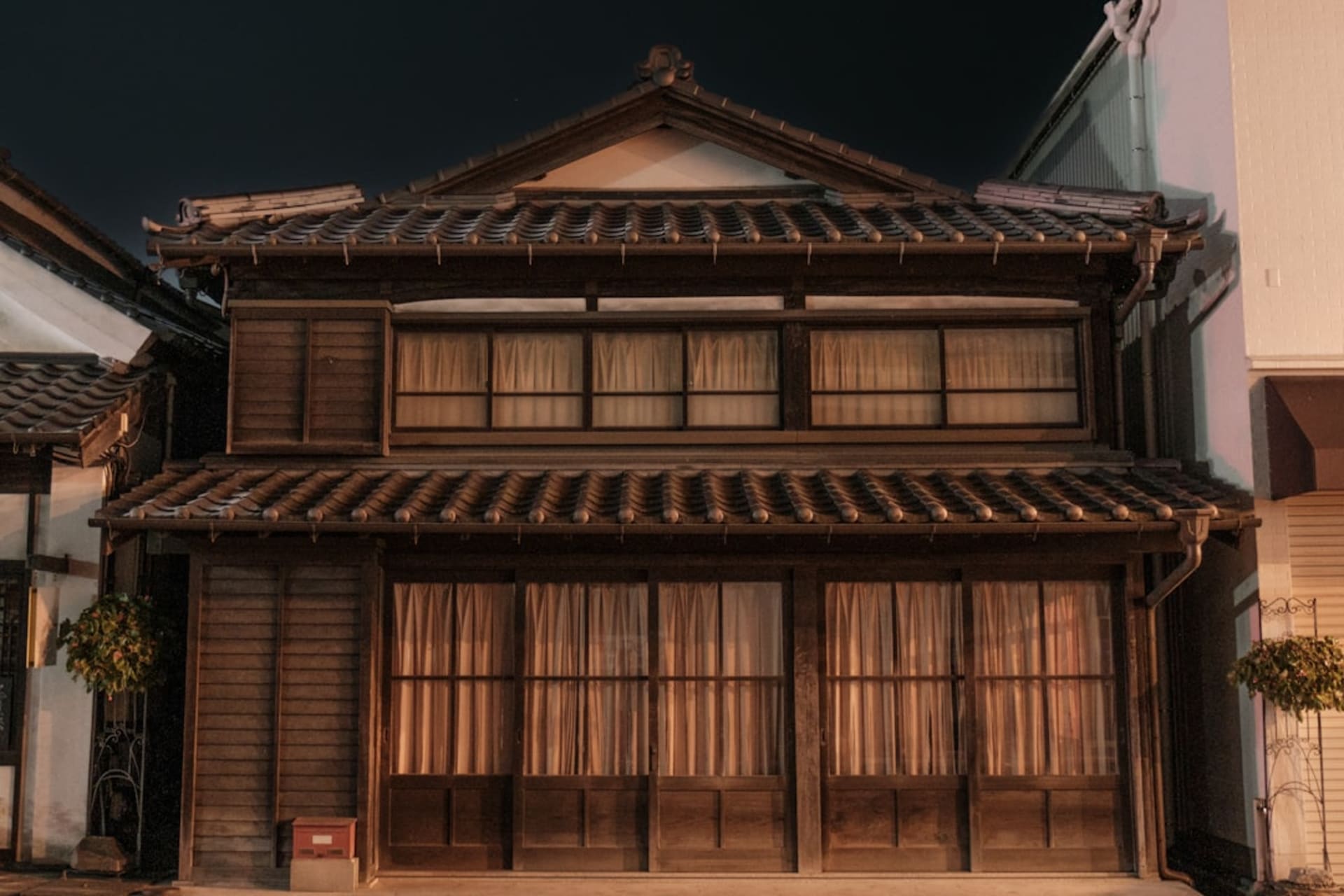
The longest and best-preserved of the Kiso Valley post towns, once called 'Narai of a thousand houses.' A kilometer of dark-latticed wooden facades, lacquerware workshops, and near-perfect quiet.
Narai is the one that almost nobody makes the trip for, and that is exactly why Lia and I loved it most. We had done Magome and Tsumago with their gentle streams of visitors, and I half-expected the third post town to feel like more of the same. It does not. Narai is longer than both — a full kilometer of unbroken Edo streetscape, the longest of all the sixty-nine Nakasendo stations — and on the grey weekday morning we arrived, we had it very nearly to ourselves. We walked the whole length of it hearing nothing but our own footsteps, a stream somewhere, and the occasional slap of a shopkeeper’s broom.
Narai of a Thousand Houses
They once called it “Narai of a thousand houses” — Narai senken — because it was the richest and busiest post town on the route, positioned at the foot of the Torii Pass, the hardest climb on the entire Nakasendo. Travelers stocked up, rested, and gathered their nerve here before the crossing, and the town grew prosperous on their custom. What survives is a street of two-story wooden merchant houses with deep overhanging second floors, dark vertical lattices, and the sarudo sliding shutters — an architecture so consistent and so intact that walking it feels like moving through a single enormous building.
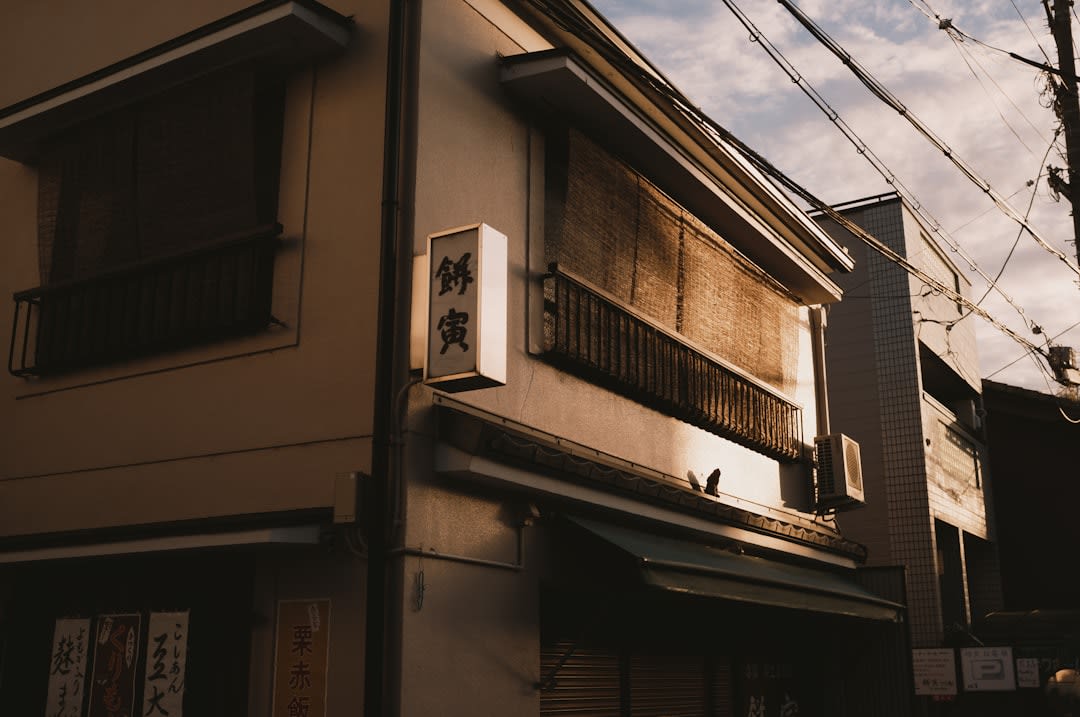
We ducked into a preserved merchant house open to visitors, the Nakamura residence, and stood in its dim interior among the smoke-blackened beams, the raised tatami rooms, the deep earthen-floored passage running front to back. An old caretaker poured us tea by an iron kettle over a sunken hearth and said, in slow English, that his family had lived on this street for two hundred years. I believed every word.
Lacquer and Water
Narai’s craft is lacquerware — Kiso-shikki — and the town has made it for centuries, the local cypress and the humid mountain air both suiting the work. Small workshops still line the street, their windows full of black-and-vermilion bowls, trays, and chopsticks, and you can watch the polishing being done. Lia, who resists souvenirs on principle, broke her own rule for a small lacquered soup bowl, and the maker wrapped it with a care that made the purchase feel like an exchange rather than a transaction.
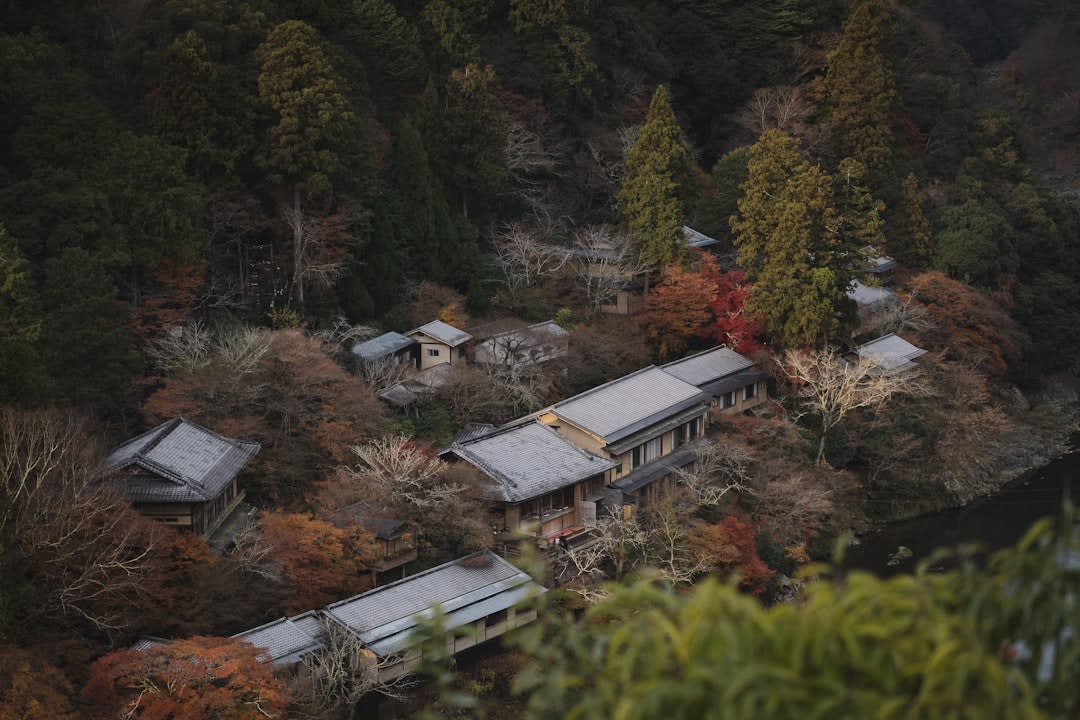
Between the houses, Narai keeps a set of communal spring-water basins — the shimizu — where the town’s clear mountain water has run for the traveler’s use for centuries. We drank from one, cold and faintly sweet, and I thought about the thousands of footsore walkers who had done the same before the pass, filling their gourds, steeling themselves for the climb.
The Torii Pass and the Shrine
At the southern end of town, just past the last houses, a small red bridge — the Kiso-no-Ohashi, an elegant arched cypress span — crosses the Narai River, and beyond it the old trail begins its climb toward the Torii Pass. We didn’t do the full crossing, but we walked up into the forest far enough to reach the mossy stone steps and the quiet where the town noise falls away entirely. Near the trailhead sits the Chusonji area’s shrines and a grove of ancient cedars, the light going green and dim beneath them.
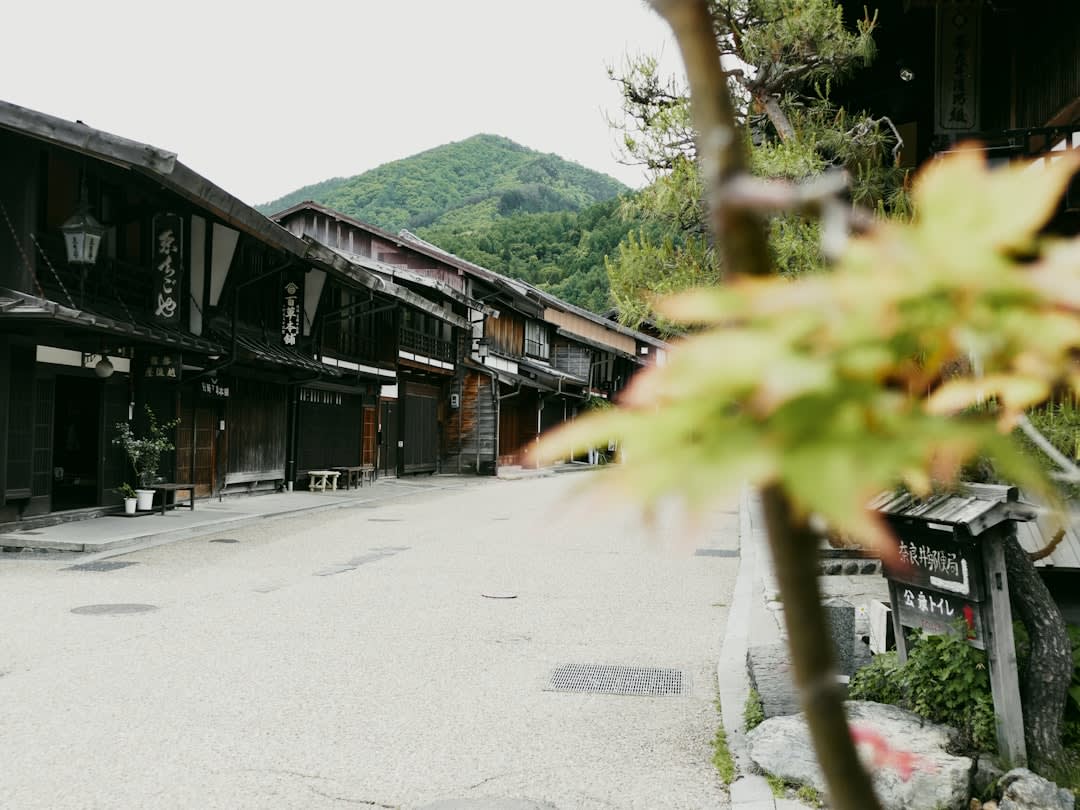
Standing there in the cedar hush, with the perfect old street at our backs and the pass rising ahead, I understood why Narai stays quieter than its neighbors — it is a little harder to reach, a little less packaged, and it asks a bit more of you. Which is to say it gives more back.
Getting There
Narai has its own small station — Narai Station on the JR Chuo line — which makes it, ironically, one of the simplest post towns to reach despite being the least visited. It is around 20 minutes by local train from Matsumoto and about an hour from Nagano, and the old street is a two-minute walk from the platform. Trains on the line are infrequent, so check times carefully in both directions. If you want just one Kiso post town and you want it quiet, come here; if you’re collecting all three, Narai pairs naturally with a stop in Matsumoto or a longer Nakasendo walk.
Keep exploring
More of Chūbu