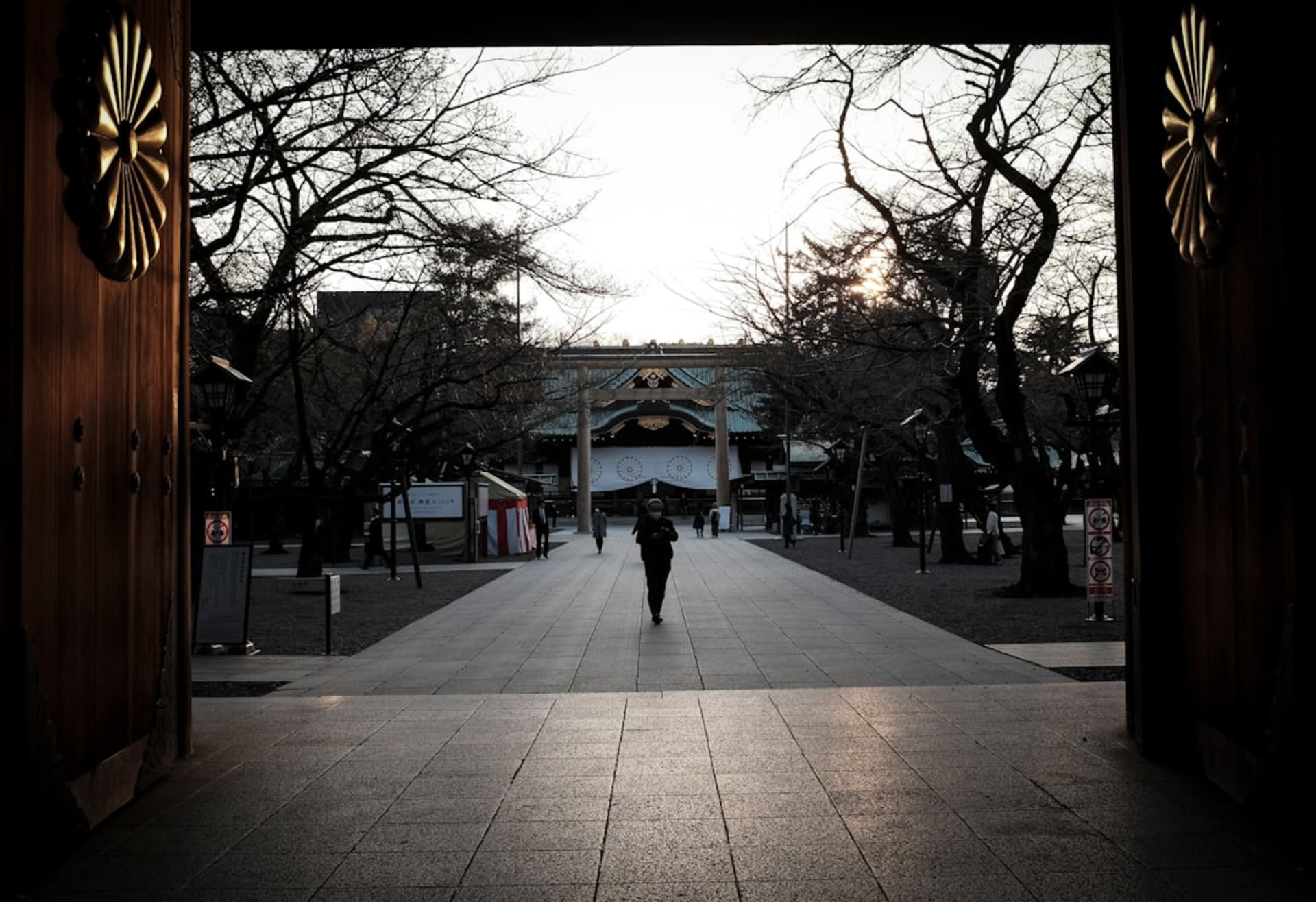
Nagano
"The city smelled of cedar smoke and buckwheat, and beyond every street the mountains stood up blue and close."
A mountain-ringed city built around Zenkō-ji, one of Japan's oldest and most welcoming temples, at the foot of the Northern Alps. A lively temple-approach street, honest soba, and a gateway to snow country and highland trails. Spiritual, brisk, and framed on every side by peaks.
Lia and I came to Nagano the way most people do — as a gateway, meaning to pass through on our way up into the mountains — and ended up staying an extra day because the city itself won us over. It is a place with a temple at its heart and the Northern Alps at its back, brisk and clean and cold-aired even in the shoulder seasons, and there is a purposefulness to it that I liked immediately. We walked up the long approach street toward Zenkō-ji on the first evening as the shops were closing, cedar smoke drifting from somewhere, the smell of soba in the air, the mountains going dark behind the great grey roof of the temple, and I understood at once why pilgrims have been climbing this same street for more than a thousand years.
Zenkō-ji
Zenkō-ji is the reason Nagano exists, and it is one of the most important and, unusually, most welcoming temples in Japan — it belongs to no single Buddhist sect and has always accepted everyone, men and women alike, which made it a rare place of pilgrimage open to all across the centuries. The vast wooden main hall is one of the largest old buildings in the country, and it houses a hidden Buddha image so sacred it is never shown; a replica is revealed only once every six years.
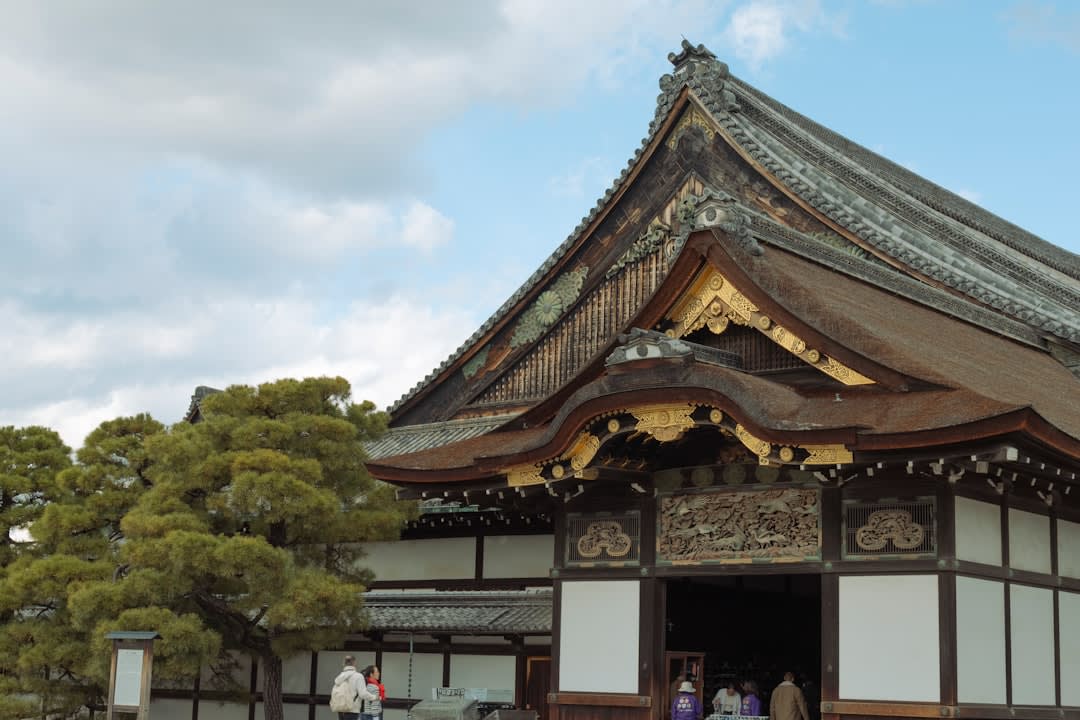
The thing not to miss is the o-kaidan meguri — a pitch-black passage beneath the main altar that you walk through with one hand on the wall, feeling for a key said to grant enlightenment to whoever touches it. We went down into the total darkness together, Lia’s hand on my shoulder, and shuffled along blind until her fingers found the cold metal of the key. Coming back up into the light of the hall, we both felt oddly reset, the way you do after something genuinely strange.
The Approach Street
The Nakamise approach leading up to Zenkō-ji is one of the best temple streets in Japan — a long, gently climbing avenue of old wooden shops and inns, many of them shukubo temple lodgings where pilgrims have stayed for generations. They sell prayer beads and incense, yes, but also seven-spice shichimi from a famous old spice house, sweet bean pastries, and pickles, and the whole street has a lived-in, working feel rather than a touristy one.
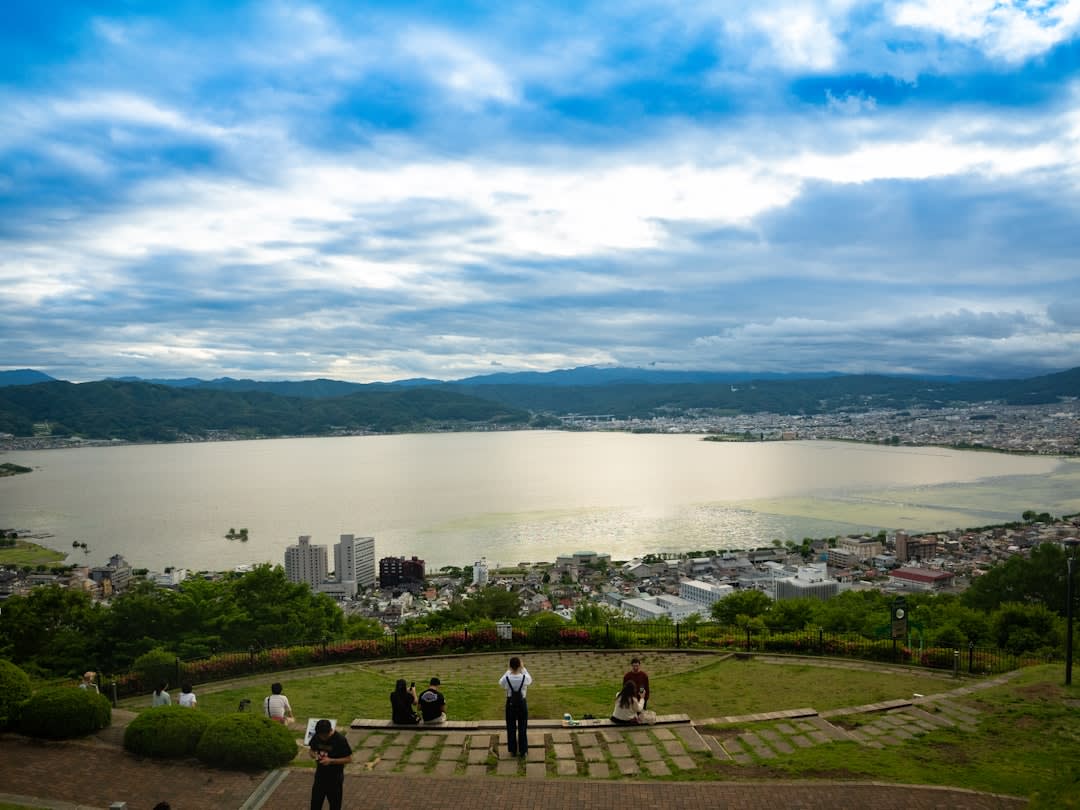
We wandered it slowly in the morning, buying a paper cone of shichimi from the spice shop that has been blending it since the Edo period, and stopped at a tiny stall for oyaki — the grilled, stuffed buckwheat dumplings that are Nagano’s beloved local snack, filled with pickled greens or squash. It is a street made for exactly this kind of aimless, hungry drifting.
Soba and the Mountains Beyond
Nagano — historically Shinshū — is one of Japan’s great soba regions, the cool highland climate being perfect for buckwheat, and I ate the best soba of my life here: cold noodles on a bamboo tray, nutty and firm, with a dark dipping broth. Beyond the plates, the city is the jumping-off point for the whole magnificent hinterland: the Northern Alps, the snow monkeys bathing in hot springs at nearby Jigokudani, the ski slopes and highland trails of snow country.
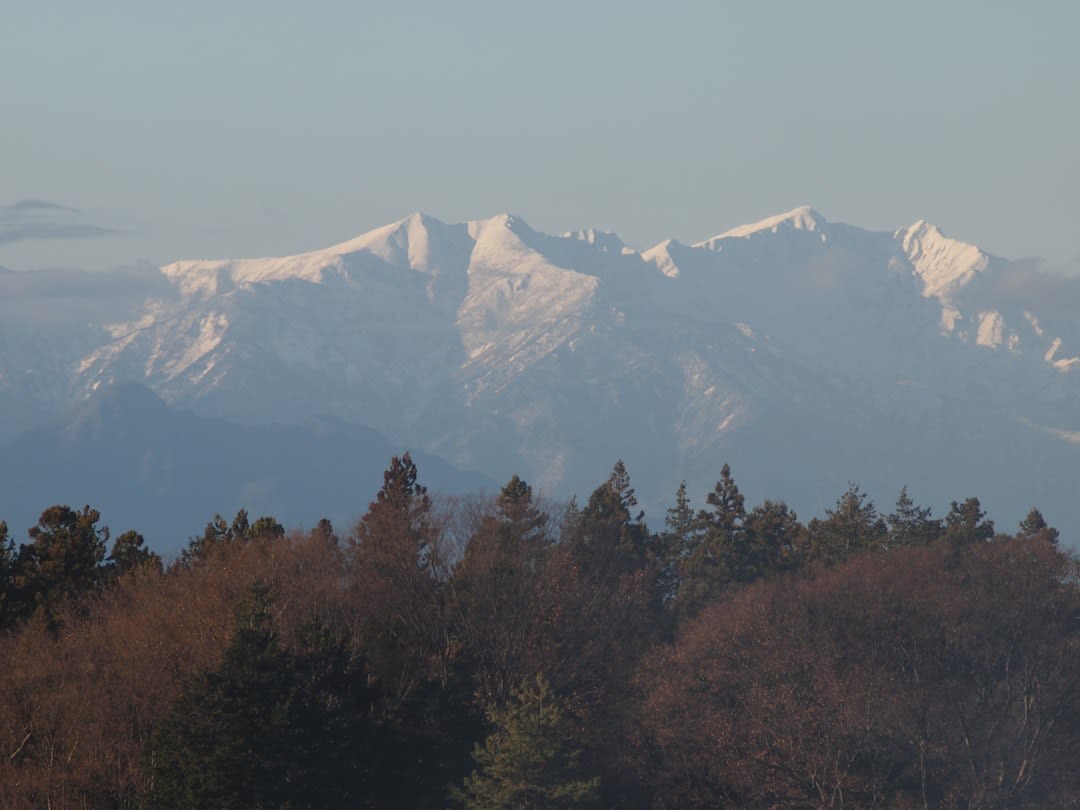
We took a day from Nagano out to see the famous snow monkeys, red-faced and steaming, dozing in their own private onsen while snow fell around them — a genuinely surreal sight I still can’t quite believe I witnessed. Then back to the city for one last bowl of soba as the peaks turned pink at sunset. Nagano is a gateway, yes, but it is a very good place to linger at the gate.
Getting There
Nagano is easy to reach: the Hokuriku Shinkansen runs direct from Tokyo in about 80 to 90 minutes, making it one of the most accessible mountain cities in the country. Zenkō-ji is a short bus ride or a pleasant 30-minute walk up the approach street from Nagano Station, and the central city is walkable. From here, buses run to Jigokudani for the snow monkeys, to Hakuba and the ski resorts, and up into the Alps. Come in winter for snow country and the monkeys, or in autumn for the colours on the surrounding peaks — and either way, book a night at a shukubo temple lodging by Zenkō-ji if you can, to be there for the dawn morning service.
Keep exploring
More of Chūbu