Hamamatsu
"The eel was worth the train, the kites were worth the crowd, and the pianos were the surprise I didn't see coming."
A workmanlike city on the shore of a brackish lake, quietly famous for three things: grilled eel served with real ceremony, a heritage of building the world's pianos and motorcycles, and a spring festival where enormous kites do battle in the sky above the dunes.
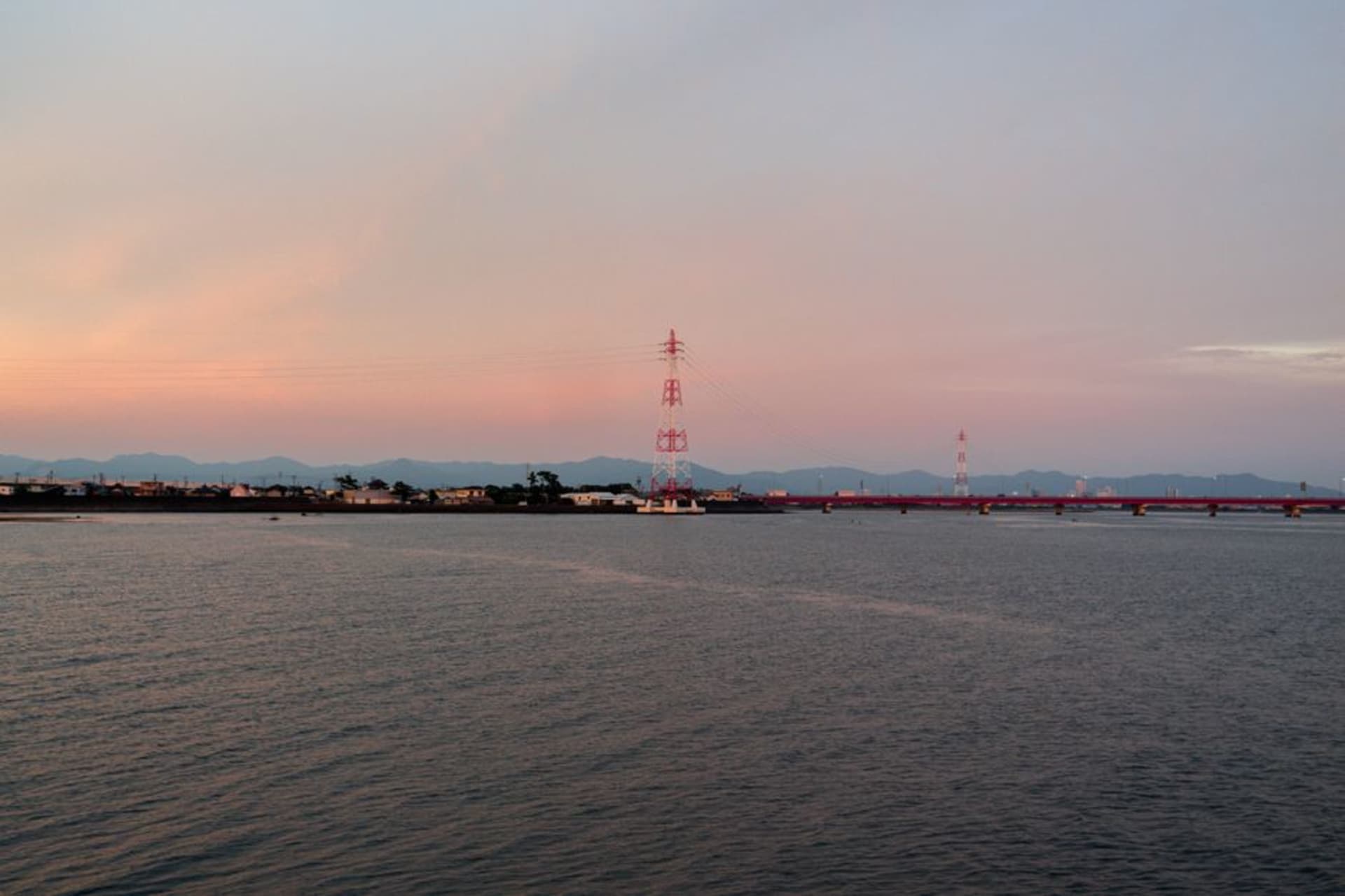
Hamamatsu is not a beautiful city, and I mean that with affection. It’s a broad, practical, industrious place on the Enshu coast, the kind of city that makes things — motorcycles, pianos, and, once upon a time, the loom that grew into a car company. But Lia and I have learned that the unglamorous cities often feed you best and surprise you most, and Hamamatsu did both. We came chiefly for the eel, stayed for the pianos, and left having accidentally watched grown men fight a war with kites over a beach. The eel was worth the train, the kites were worth the crowd, and the pianos were the surprise I didn’t see coming.
Unagi on Lake Hamana
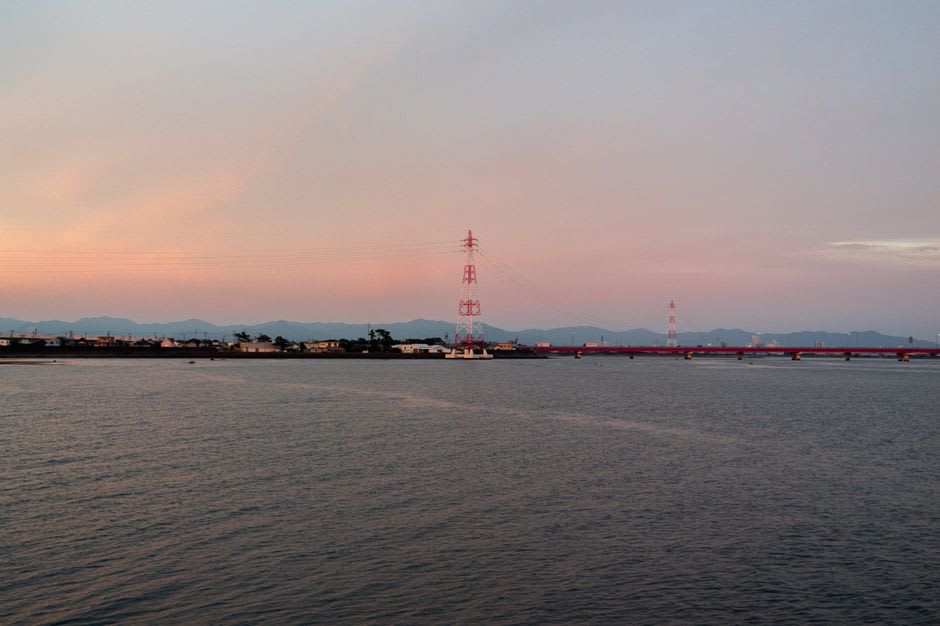
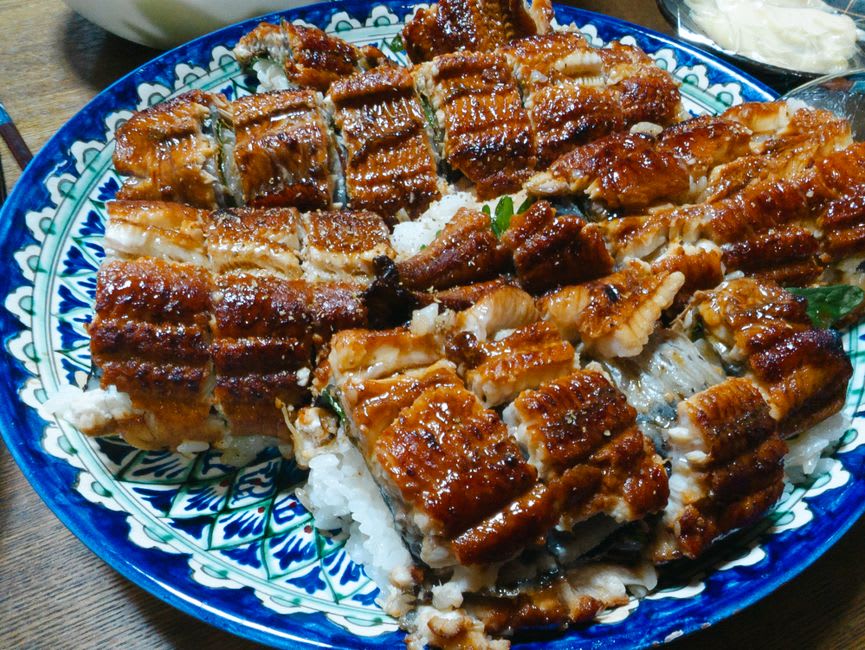
Hamamatsu sits on Lake Hamana, a large brackish lagoon where fresh and sea water mix, and that mix once made it Japan’s great cradle of eel farming. Grilled unagi is the city’s signature dish, and we treated our first lunch as a small pilgrimage, choosing an old specialist restaurant where they’ve been doing one thing for generations. The eel arrived as unagi no kabayaki — split, steamed, then grilled over charcoal and lacquered with a dark sweet-savory sauce, laid glistening over rice in a lacquer box. It was extraordinary: crisp at the edges, meltingly soft inside, rich but never heavy, the sauce caramelized just to the edge of bitter. Lia, who is usually the more restrained eater, finished hers and eyed mine. We walked it off along the lake afterward, past the eel ponds and the low water, understanding for the first time why people take a train specifically to eat here.
The Museum of Musical Instruments
Hamamatsu is the home of Yamaha, Kawai, and Roland — it builds a huge share of the world’s pianos and electronic instruments — and its Museum of Musical Instruments turned out to be the highlight neither of us expected. It is one of the finest collections of its kind anywhere: instruments from every continent and era, laid out with headphones so you can hear each one played. We spent hours we hadn’t planned to. There were gamelan sets from Java, harpsichords, a wall of accordions, an ancient piano built when the form was brand new, and a hall where you could actually sit and play. Lia, who learned piano as a child, sat down at a keyboard and picked out something halting and lovely while I pretended not to be moved and completely was. For a city that makes its living from music, the museum feels less like a display than a self-portrait — proud, generous, and genuinely global.
The Castle and the Kite Battle
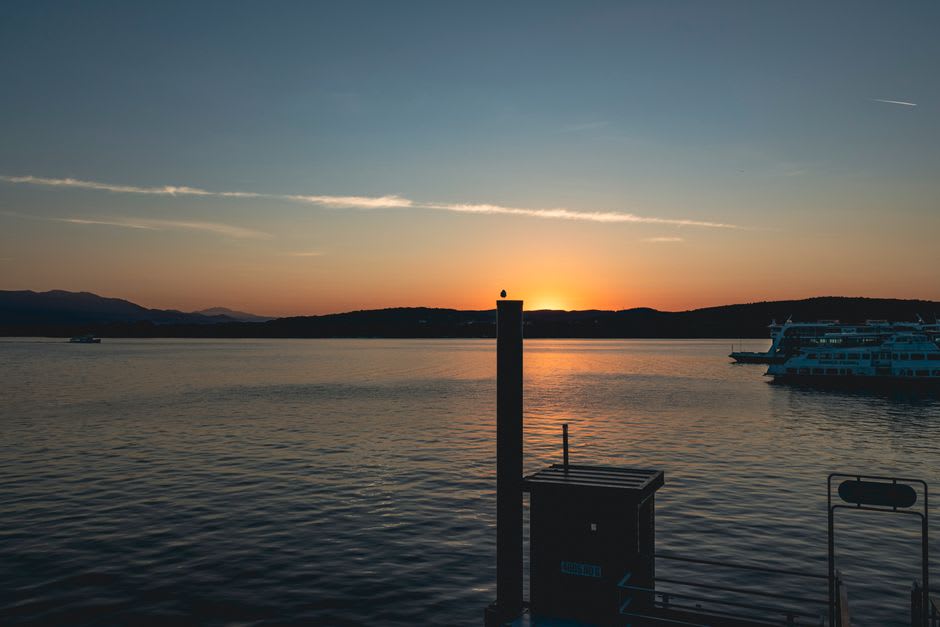
We climbed up to Hamamatsu Castle on a bright morning — a modest reconstructed keep on a wooded hill, known as the “castle of success” because the young Tokugawa Ieyasu held it before he rose to rule all Japan. From the top we could see the whole flat sprawl of the city out to the lake and the sea. But our real luck was timing: we happened to be in town in early May for the Hamamatsu Festival, when the neighborhoods gather out on the Nakatajima dunes by the coast to fly enormous kites against one another. Each district flies a huge painted kite, and the sport is to saw through your rivals’ ropes with the friction of your own line, dozens of kites wheeling and diving and cutting in the sea wind while brass bands play and the crowd roars. At night the same districts parade lantern-lit floats through the streets. It is loud, competitive, faintly chaotic, and completely joyful — the whole practical city letting itself off the leash for three days.
Getting There
Hamamatsu is a straightforward stop on the Tokaido Shinkansen, roughly an hour and a half from Tokyo and about half an hour from Nagoya, with Kodama and some Hikari trains stopping. The eel restaurants cluster around the city and the shores of Lake Hamana, easily reached by local train or bus; the Museum of Musical Instruments is a short walk from the main station. Hamamatsu Castle is a bus ride or brisk walk from the center. If you can, come for the Hamamatsu Festival over the first weekend of May, when the kite battles fill the Nakatajima dunes and the float parade takes over the streets at night — but book a room well ahead, because the whole city fills up.
Keep exploring
More of Chūbu