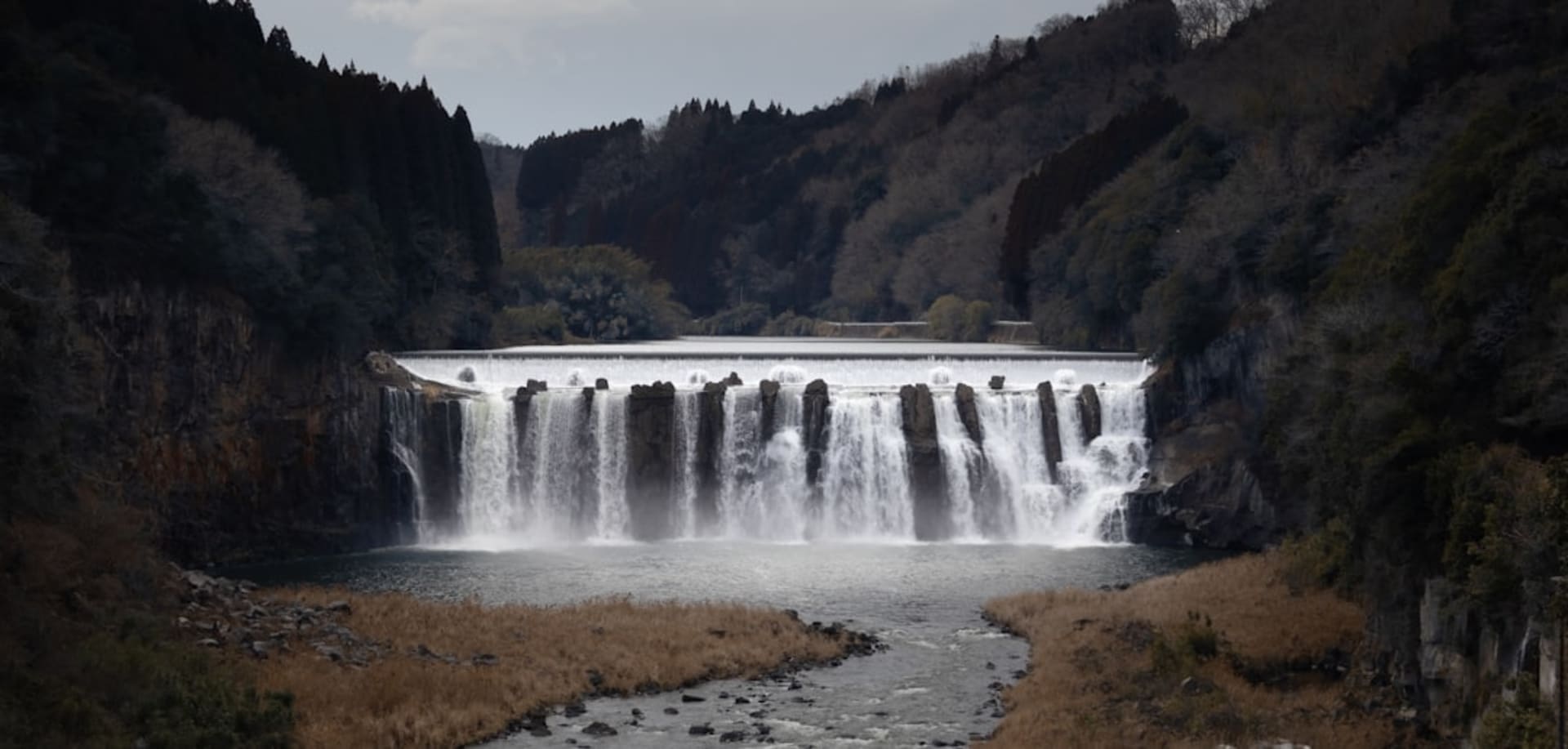
A Gifu town where the Kiso River pools into the Enakyō gorge, a two-kilometre stretch of water walled by strange wind-and-water-sculpted cliffs and pinnacles. Old Nakasendō post-road country, of ceramic hills, chestnut sweets, and slow boats gliding beneath the crags.
We had spent the morning on the old Nakasendō, walking a stretch of the stone highway that once carried samurai and merchants between Kyoto and Edo, and by afternoon Lia and I wanted water. Someone at the guesthouse pointed us to Ena, and to the gorge just outside it — the Enakyō — where the Kiso River widens behind a dam into a long green lake hemmed by cliffs. We took the last sightseeing boat of the day, almost alone on the deck, and glided out under crags so oddly shaped that I kept thinking someone must have carved them. But it was only water and wind, working stone for a very long time.
The Gorge of Strange Stone
Enakyō runs for about two kilometres, and its walls are the reason to come — great granite cliffs weathered into columns, domes, and leaning pinnacles, each given a poetic name by some long-ago admirer. From the water they slide past slowly, mirrored in the still green surface, and in autumn the whole gorge burns with maple and the mirrored colour doubles it. Our boatman named a few of the formations in the flat, practised voice of a man who has said them ten thousand times, and I loved him for it.
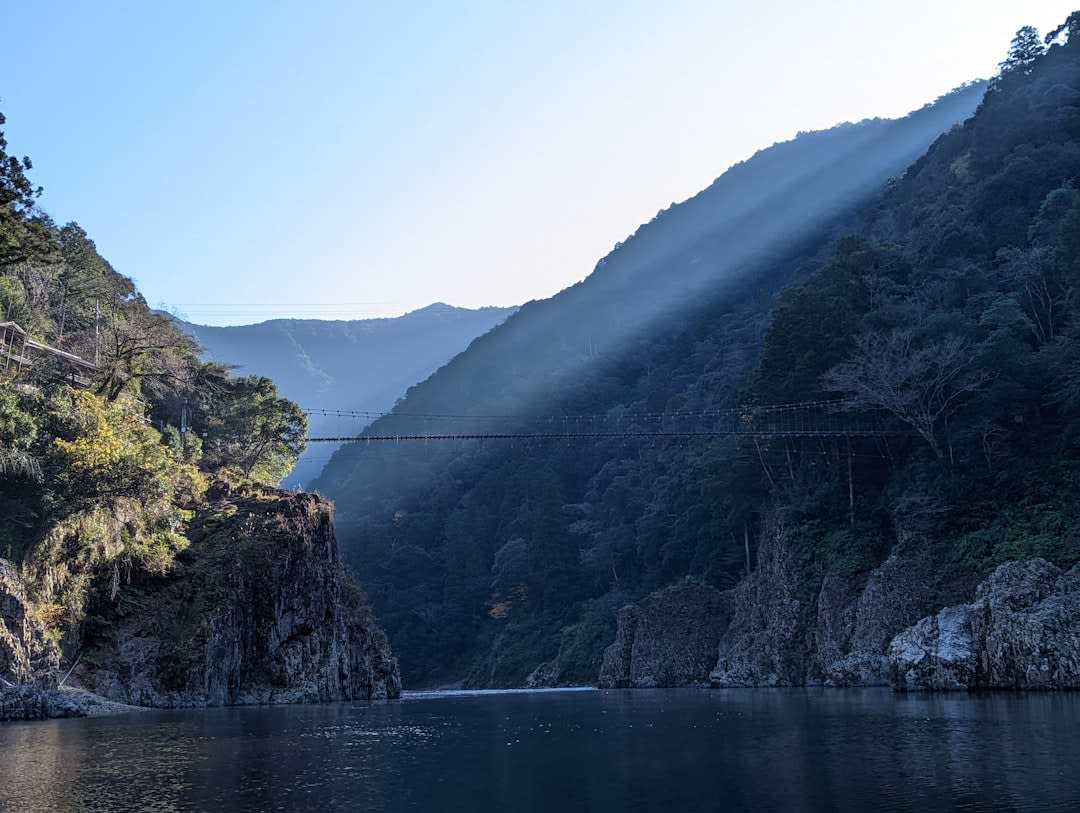
You can also walk parts of the shoreline, and there is a small amusement park and a chairlift up one side for those who want the high view. We stuck to the water, and to a lakeside café afterwards where we drank coffee and watched the light go orange on the cliffs. It is not a dramatic, roaring gorge — the dam has made it calm and lake-like — but that calm is its whole character, and it suited the end of a long walking day.
Nakasendō Country
Ena sits in the heart of the old post-road country, and the Nakasendō — the mountainous inland highway between Kyoto and Tokyo — runs right through the region. Just beyond Ena lie some of the best-preserved post towns in Japan, and the town itself keeps a handsome old quarter, Iwamura, further up the valley, with a long merchant street and the ruins of a mountaintop castle that Lia insisted we climb to.
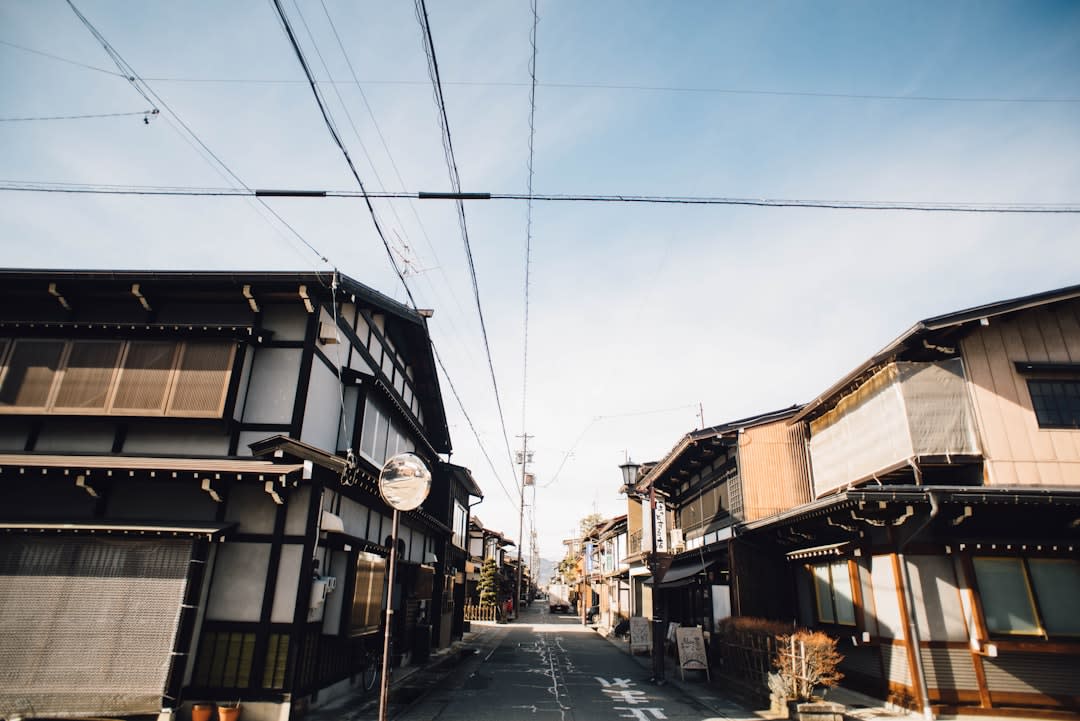
Iwamura was once run, unusually, by a female castle lord, and the town is quietly proud of it. We walked the old street in the late afternoon, past a sake brewery and shops selling kanten jelly and castella, and climbed the steep stone-walled path to the ruined keep with our legs already complaining. The reward was a huge view over ridgelines fading into haze — the same country those Edo travellers crossed on foot, day after day, with the mountains never seeming to end.
Ceramics and Chestnuts
This corner of Gifu is pottery country — the famous Mino ware kilns are close by — and Ena’s shops are full of the plain, sturdy, beautiful everyday ceramics the region has made for centuries. It is also chestnut country: the autumn kuri from the surrounding hills go into kurikinton, a smooth, intensely sweet chestnut paste that is the local pride, and into fat steamed kuri-manjū.
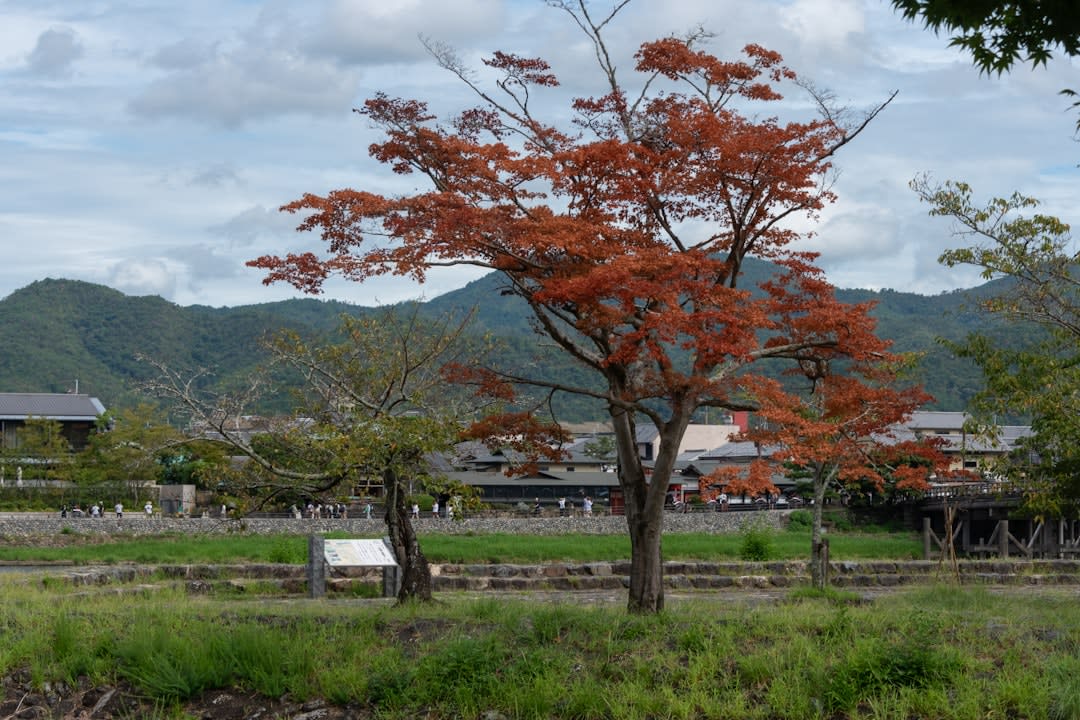
We bought a small stack of Mino plates we absolutely did not have room for, and ate kurikinton on a bench with green tea until we felt slightly ill. Lia declared it the best sweet thing she’d had in Gifu, and I didn’t argue — there is something perfect about a mouthful of pure autumn chestnut after a day of cliffs and castle stairs. Ena isn’t a headline town. It’s the kind of place you stumble into between the famous ones and remember, later, more fondly than either.
Getting There
Ena sits in eastern Gifu on the JR Chūō Main Line, the route between Nagoya and Nakatsugawa. Limited-express trains from Nagoya reach Ena Station in around fifty minutes, making it an easy day trip or a stop on the way into the Kiso valley. From the station, the private Akechi Railway branches off toward Iwamura, and buses and a short walk reach the Enakyō gorge boat pier. A rental car helps if you want to link Ena with the Nakasendō post towns of Magome and Tsumago, which lie just to the east.
Keep exploring
More of Chūbu