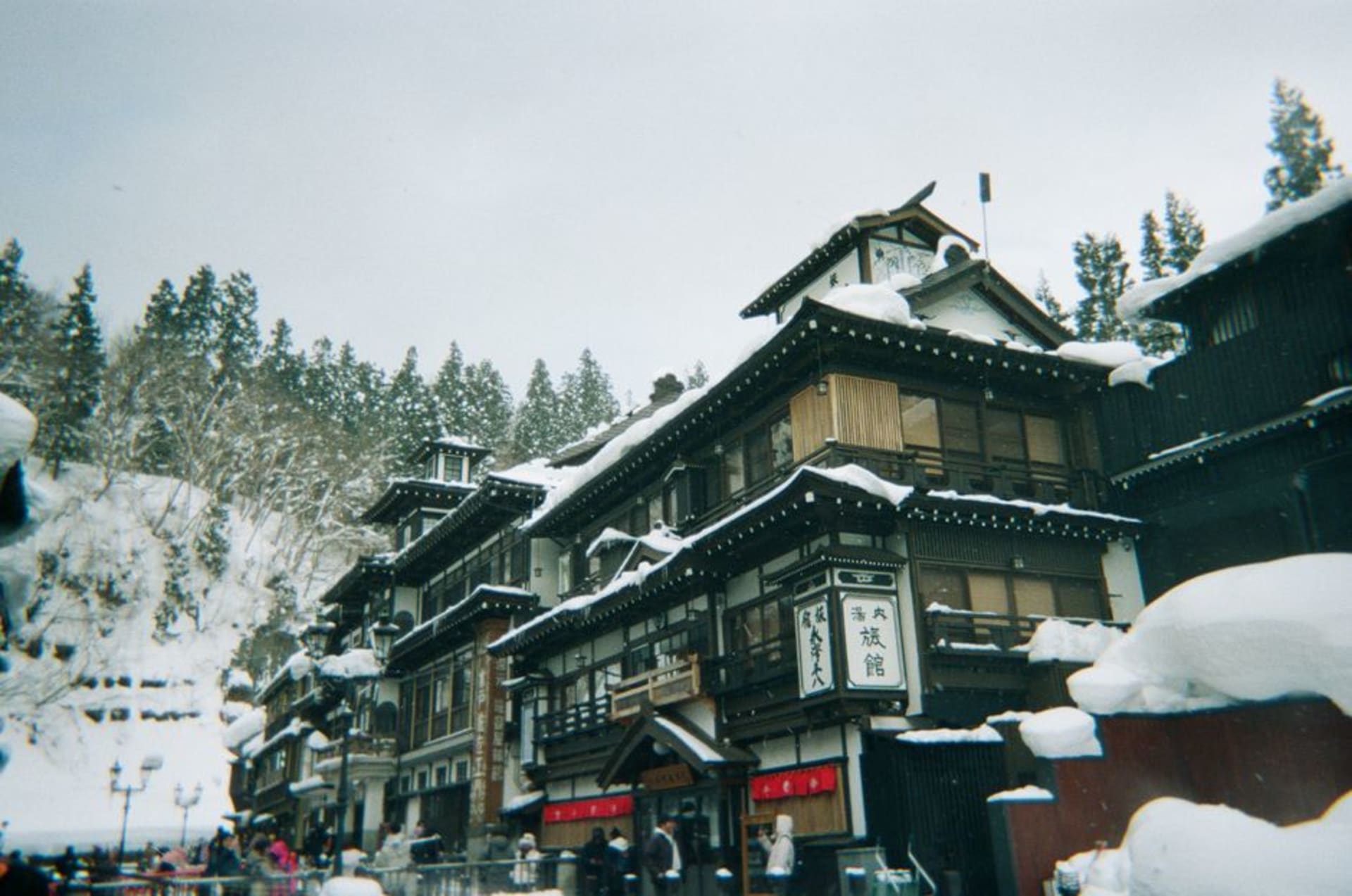
Bessho Onsen
"We arrived cold and left loose-limbed, smelling faintly of sulphur, and grinning about it."
A hot-spring hamlet folded into the hills above Ueda, so old and quiet that people call it the little Kamakura of the mountains. Ancient temples lean over narrow lanes, steam drifts from public bathhouses, and the whole valley smells faintly of sulphur and cedar.
We almost didn’t stop. The little train from Ueda had rattled through rice fields the colour of green tea, and Lia had her forehead against the glass, half asleep, when the conductor announced the last station with the tender finality of someone tucking a child into bed. Bessho Onsen. End of the line. We stepped down into a valley that seemed to have decided, several centuries ago, that it was quiet enough now, thank you, and had simply stayed that way. A cat watched us from a bench. Somewhere close, water was running that we couldn’t see.
The temples that earned the nickname
They call Bessho the “little Kamakura,” and I braced myself for the usual tourist-brochure exaggeration, but the temples here genuinely made me lower my voice. We climbed the mossy steps to Anrakuji and found its octagonal pagoda standing in the trees, the only one of its kind in Japan, its dark wood softened by eight hundred winters. Lia traced the eaves with her eyes and said nothing for a long time, which is how I know she loved it. Later, at Jorakuji and Kitamuki Kannon, we lit a stick of incense mostly to have something to do with our hands. The hillside held the smoke like it was in no hurry to let it go.
Three baths and no hurry
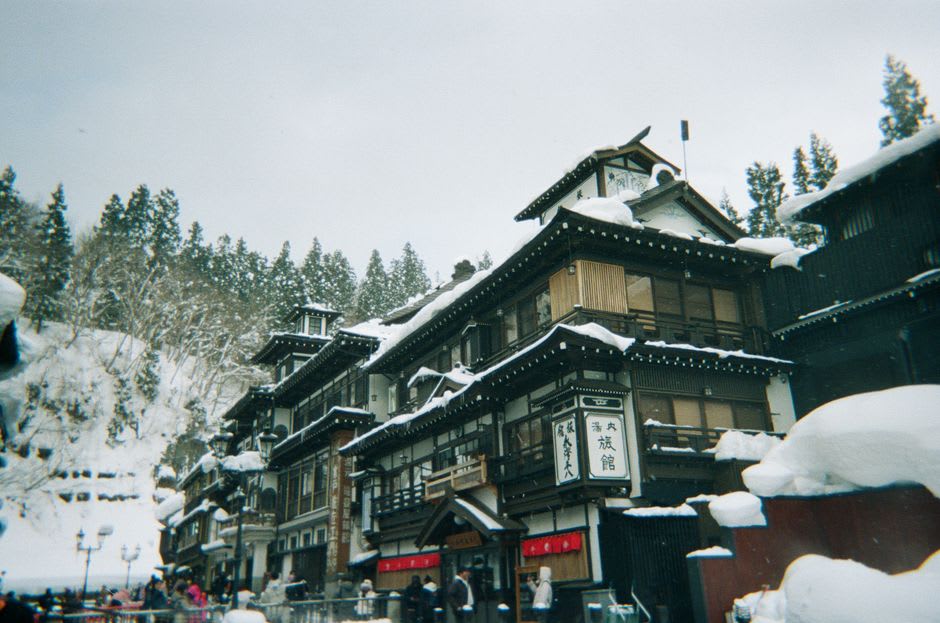
Bessho keeps three public bathhouses, plain little buildings that locals treat like a second kitchen. We paid a few coins at Ishiyu, the one they say the poet-monk stopped at, and lowered ourselves into water hot enough to make Lia gasp and then laugh at herself. An older woman across the steam nodded at us the way you nod at people who have understood the assignment. There is no ceremony to it. You wash, you soak, you go pink, you stagger out into the cool air feeling like something that has been wrung out and hung up to dry in the best possible way. We did it twice in one afternoon and regretted nothing.
Evening, when the valley empties
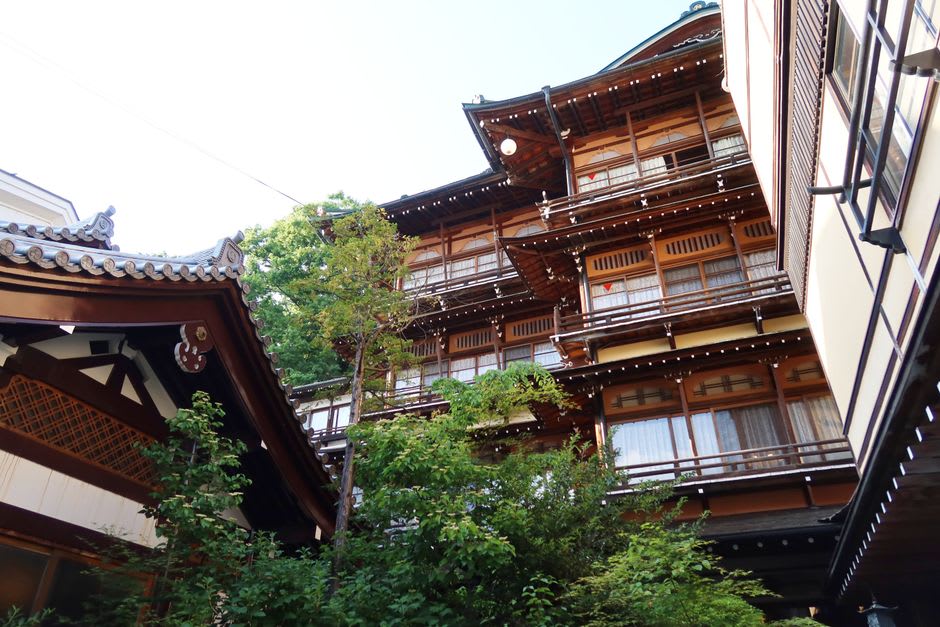
By dusk the day-trippers were gone and the village belonged to us and the cats. We walked the main lane in borrowed inn slippers, clopping like small horses, past shuttered shops selling steamed buns and pickles. A single vending machine glowed at a crossroads. The mountains went from green to blue to nothing at all. Lia bought a warm can of corn soup she didn’t want just to hold it, and we sat on the steps of a shrine and listened to the valley do its quiet nighttime work: water, wind, a distant dog, the tap of our own slippers when we finally stood to go back in.
Getting There
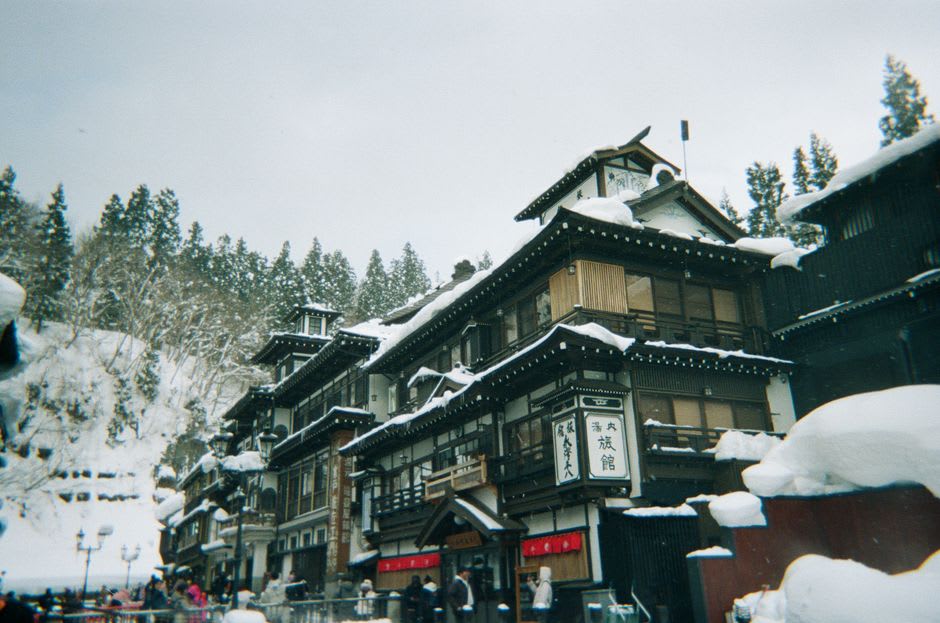
Bessho Onsen is the terminus of the Ueda Electric Railway’s Bessho Line, a charming single-track ride of about thirty minutes from Ueda. Ueda itself sits on the Hokuriku Shinkansen, roughly ninety minutes from Tokyo and forty from Nagano, so the whole trip from the capital is easy to do in a morning. From the tiny station it’s a flat ten-minute walk up to the temples and bathhouses; most inns will fetch you if you ask. Come with cash for the public baths, an empty afternoon, and no particular plan.
Keep exploring
More of Chūbu