Africa
Ivory Coast
"Abidjan hit me harder than any city I expected nothing from."
I landed at Félix Houphouët-Boigny airport on a Tuesday afternoon, already sweating through my shirt before I reached immigration. The taxi driver argued over the fare in three languages simultaneously — Dioula, French, and something that might have been English — and I loved him for it. By the time we crossed the bridge into Plateau, Abidjan’s central business district, I had revised every assumption I’d made about West Africa from the comfort of my couch in Mexico City.
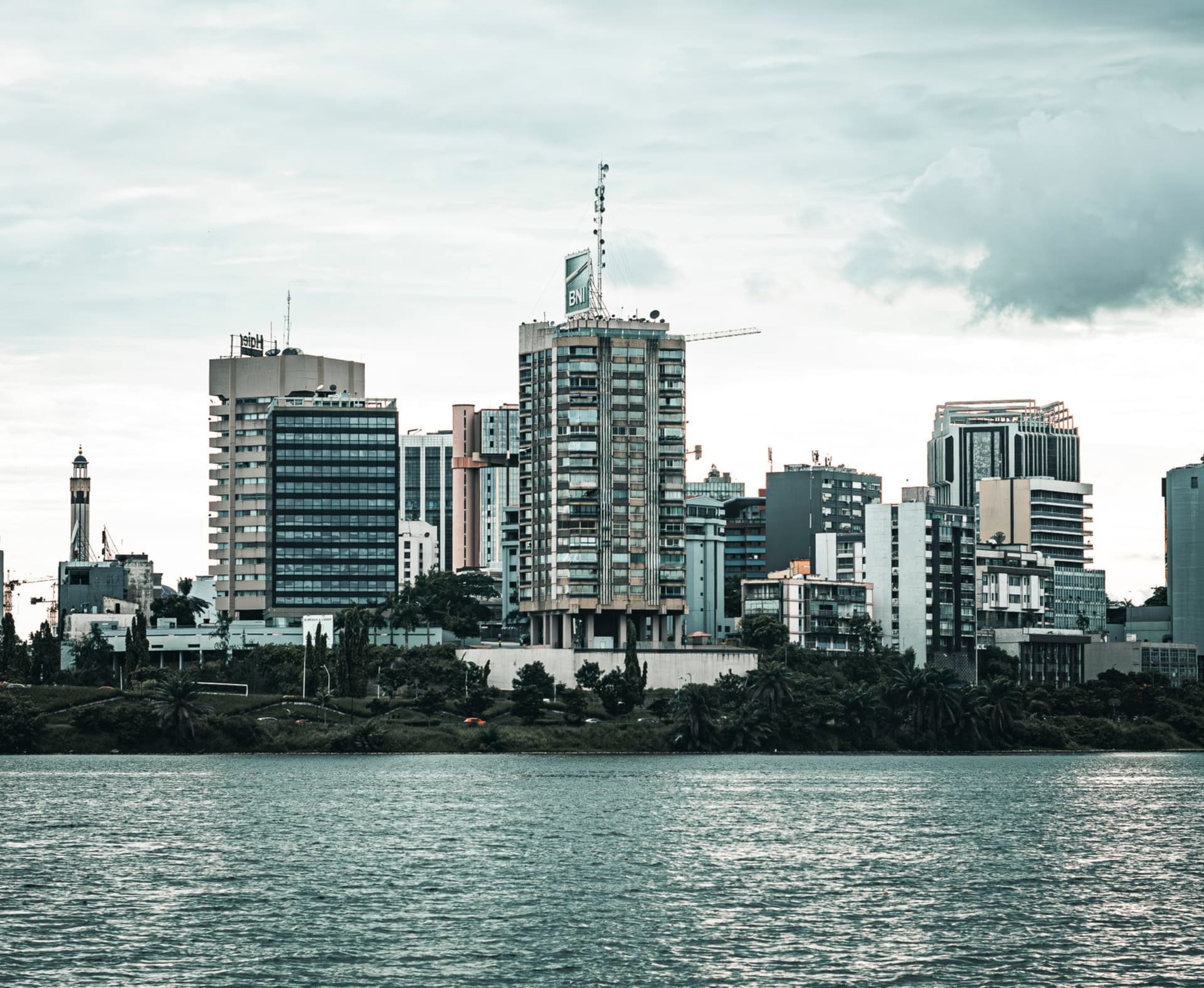
Nothing prepares you for Abidjan. The skyline is legitimately dramatic: glass towers climbing out of a lagoon system so vast it fractures the city into islands and peninsulas connected by bridges and pirogues. Plateau hums with the particular energy of a place that takes itself seriously — ministries, banks, the kind of Lebanese-owned restaurants where suits debate contracts over thiéboudienne. Then you cross into Treichville or Adjamé and the city becomes something else entirely: chaotic, layered, loud in the best way, with maquis — open-air restaurants — spilling onto every sidewalk and griot music leaking from every second doorway. I ate grilled chicken with aloko (fried plantain) and a cold Bock beer at a plastic table at 11 pm and felt like I’d found the city’s actual pulse.
Outside Abidjan, the country surprises you differently. Man, in the west, sits in forested hills near the Guinea border and has a sleepiness that feels earned, not lazy. The coast around Grand-Bassam — a crumbling colonial town an hour east of Abidjan, now a UNESCO site — mixes faded ochre architecture with fishing pirogues and week-end crowds from the capital. Yamoussoukro, the official capital, is the surreal one: a planned city of wide empty boulevards built around the Basilica of Our Lady of Peace, a Vatican-scaled monument that sits in the middle of nowhere and draws sacred ibis to its esplanade. I spent an hour there in near-total silence, which is not something you find often in this country.
When to go: November through February is the dry season and the easiest time to travel — lower humidity, no flooding on secondary roads. The Grande Saison des Pluies runs April through July and turns rural routes into mud. If you can handle some rain, October or March sit between the seasons and the city is quieter and slightly cooler.
What most guides get wrong: Ivory Coast gets filed under “emerging destination” as if it were raw and undeveloped. Abidjan has had a functioning metro bus system, multi-star hotels, and a restaurant scene with actual ambition for decades. What it lacks is Western tourist infrastructure, which is a feature, not a bug. You will not be surrounded by other foreigners at the maquis in Treichville. The French connections run deep — Air France still flies direct — but the city has long outgrown the idea that France is the reference point for anything.