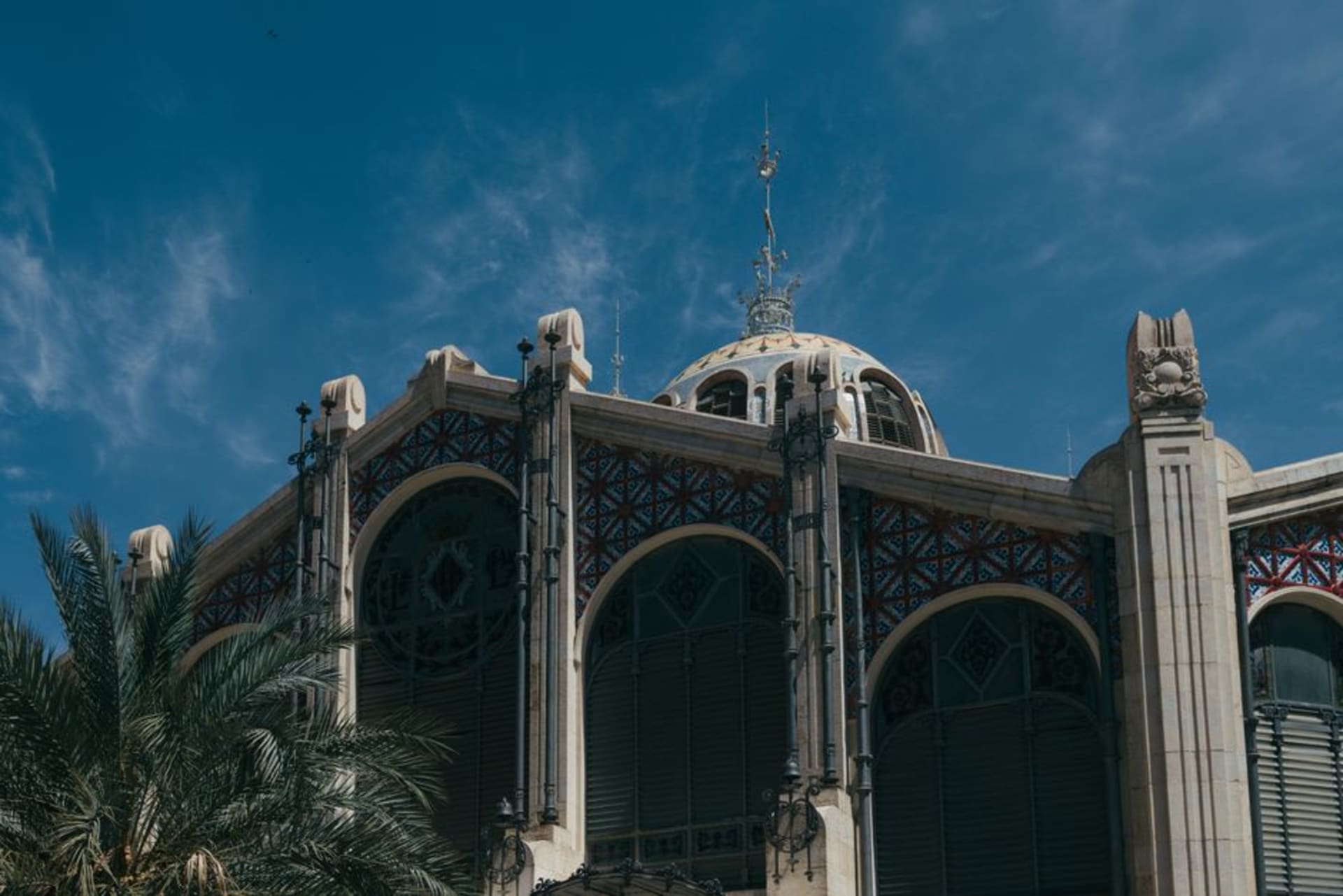
Sanremo
"Sanremo built its palaces on flowers and its fame on a song contest. Somehow neither fact feels like the strangest thing about the place."
A belle-époque casino town on the French border where the flower trade built the palaces and an eccentric song contest still fills them every February.
Sanremo sits close enough to the French border that I half expected it to feel like an extension of the Côte d’Azur, and in some ways it does — the belle-époque villas, the palm-lined seafront, the general air of a place built for people with nothing urgent to do. But Sanremo has its own, specifically Italian, strangeness, and I mean that as a compliment. This is the birthplace of Italy’s flower export trade, which financed the town’s grand nineteenth-century building boom, and it is also, more improbably, the birthplace of the Sanremo Music Festival — the song contest that essentially invented Eurovision’s format decades before Eurovision existed, and which still, every February, turns this quiet Riviera town into the center of Italian pop culture for a week.
The Casino Municipale is the town’s architectural showpiece, an Art Nouveau confection completed in 1905 with a green copper dome, designed by the same French architect responsible for Monte Carlo’s casino district — which explains why the two towns share a certain family resemblance despite being an hour apart and in different countries. I didn’t gamble, but I walked through the grand hall just to look at it, all marble and gilt and the particular hush of a room built for people trying to look like they weren’t nervous.
La Pigna
The old town, La Pigna — literally “the pinecone,” for the way its buildings spiral tightly up the hillside in concentric rings — is the Sanremo I actually preferred. Steep stepped alleys, arched passages built to shelter residents from Saracen raids centuries ago, laundry strung between buildings close enough to touch across the street. It’s a maze in the best sense, the kind of place where I deliberately let myself get lost for an hour, climbing higher until I broke out onto a small piazza with a view straight down over the rooftops to the harbor and the sea beyond. This is the Sanremo that predates the belle-époque money entirely, a medieval fishing settlement that the casino crowd built their villas beside rather than on top of.
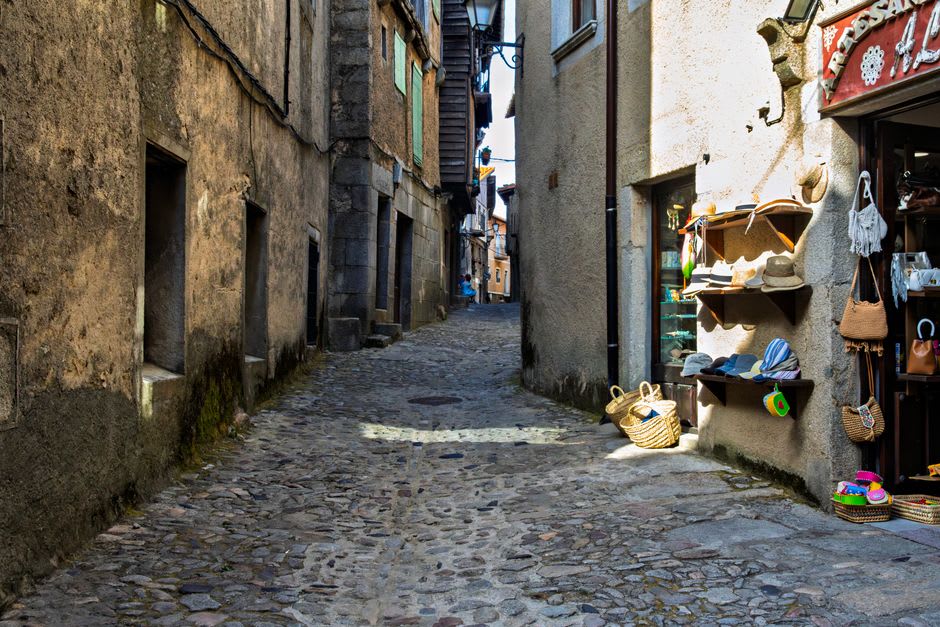
Flowers and the Riviera dei Fiori
This whole stretch of coast is called the Riviera dei Fiori — the Flower Riviera — and Sanremo is its commercial heart. The Mercato dei Fiori, the flower market, has shipped roses and carnations and mimosa across Europe since the late nineteenth century, and even walking past the wholesale market building in the early morning I caught the scent of it before I saw a single stem. Along the seafront, the Corso dell’Imperatrice takes its name from a Russian empress, Maria Alexandrovna, who wintered here in the 1870s and planted the palm trees that still line the promenade — another reminder that this coast has been a magnet for European nobility escaping the cold for well over a century.

I ended most evenings walking the seafront with a scoop of gelato, watching the light fade over the Ligurian Sea toward France, close enough that on a clear evening I could almost convince myself I was looking toward home.
When to go: Late spring or early autumn for warm, uncrowded beach weather — or February specifically, if you want to witness the music festival chaos that briefly turns this genteel town upside down.