Reggio Calabria
"The tip of the boot, staring across the water at the island it almost touches."
A seafront city that keeps two Greek bronze warriors in a museum and Sicily in constant view across the strait.
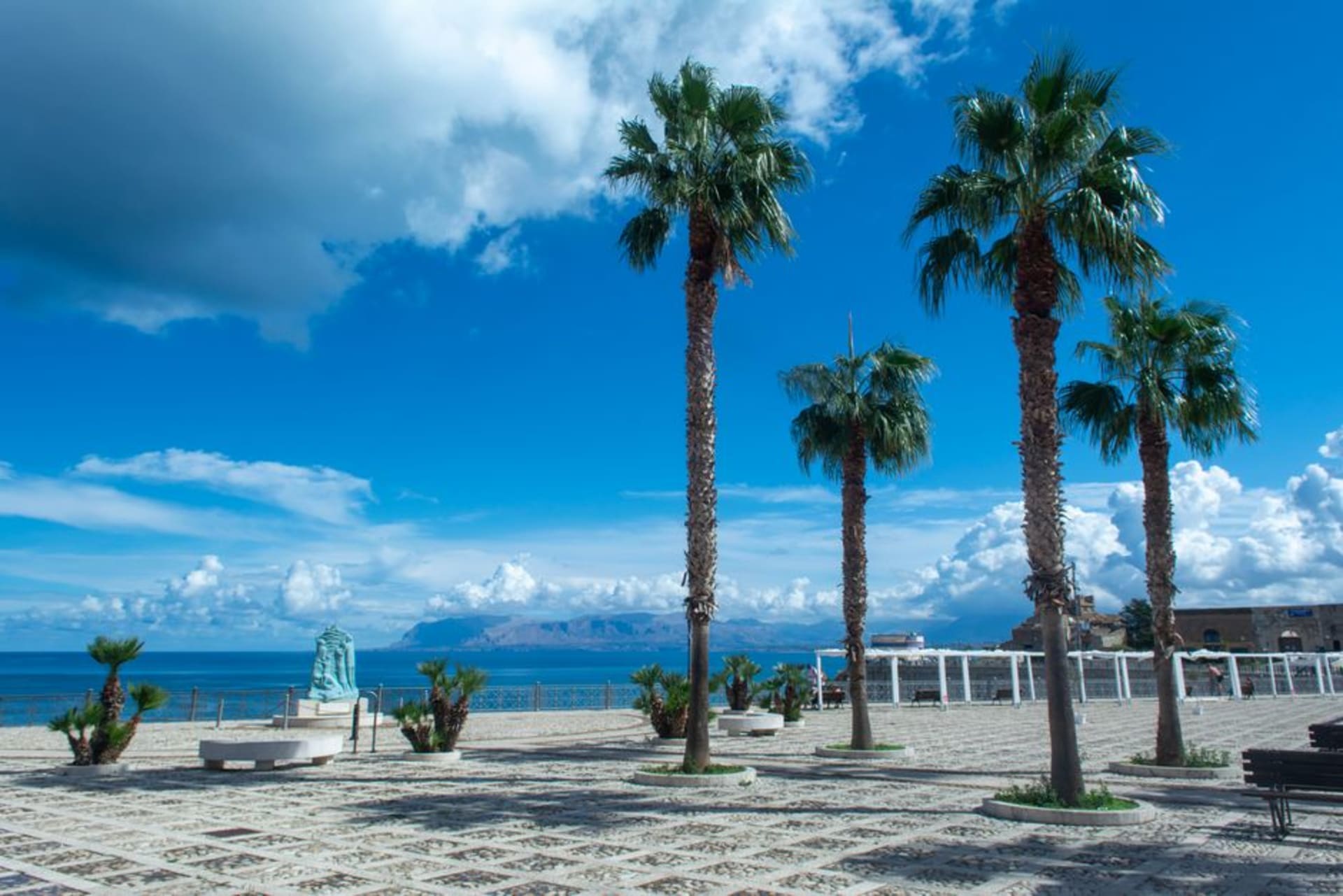
Reggio Calabria sits at the very toe of Italy, close enough to Sicily that on a clear day you can watch the ferries crossing and pick out individual buildings on the Messina shoreline. Gabriele D’Annunzio, never a man to undersell anything, called the seafront promenade here “the most beautiful kilometer in Italy,” and while I’m generally suspicious of that kind of superlative, walking the Lungomare Falcomatà at sunset — palm trees, Art Nouveau facades on one side, the strait glowing orange on the other, Sicily’s mountains turning purple in the distance — I understood the impulse to say something extravagant about it.
The city is one of the oldest Greek settlements in Italy, founded as Rhegion in the eighth century BC by colonists from Chalcis, which makes it older than Rome by most reckonings. That deep antiquity is easy to forget in a city that was almost entirely leveled by the catastrophic 1908 Messina earthquake — the deadliest in European history, which killed tens of thousands on both sides of the strait and forced Reggio to essentially rebuild itself from the ground up. What rose afterward is a grid of wide, low, earthquake-resistant Liberty-style buildings, which is why the city has a more open, sun-bleached, twentieth-century feel than the medieval hill towns further north — a rebuilt city wearing its trauma as architecture.
The Bronzes
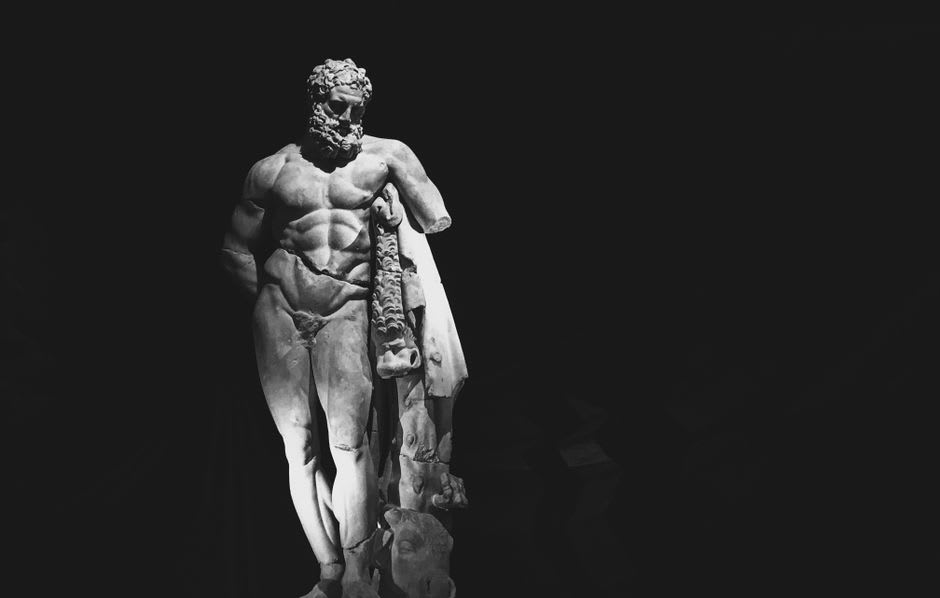
Everyone comes to Reggio, eventually, for the same reason: the Riace Bronzes, two life-sized Greek warrior statues from the fifth century BC, hauled up from the seabed by a diver off the Calabrian coast in 1972. They are among the finest surviving examples of classical Greek bronze sculpture anywhere in the world, and they live in the Museo Archeologico Nazionale della Magna Graecia, displayed in a climate-controlled room built specifically around them. I stood in front of them longer than I’d planned to — the musculature, the inlaid eyes, the sheer physical presence of metal that somehow survived over two thousand years underwater — and left the museum thinking about them for the rest of the trip. It’s rare that an artifact fully earns its own hype; the Bronzes do.
Life Along the Strait
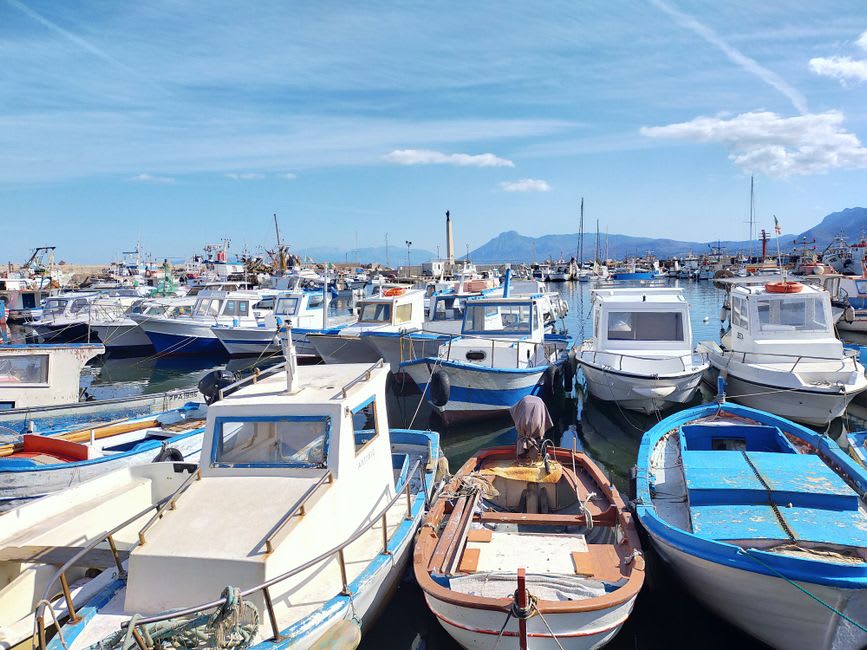
Outside the museum, Reggio moves at the unhurried pace of a southern Italian city that knows it isn’t trying to be Rome. I ate bergamot-flavored everything — Calabria, and specifically this coastal strip, produces almost the entire world’s supply of bergamot, the citrus that gives Earl Grey tea its scent, grown here because of a microclimate found almost nowhere else on the planet. Fishermen sell the day’s swordfish and espada straight off the boats near the port, and in the evening the whole city seems to migrate to the Lungomare for the passeggiata, ice cream in hand, watching the ferries cross toward Sicily and the lights of Messina flicker on across the water.
Reggio doesn’t get the tourist numbers of Sicily just across the water, and most people treat it as a stopover before or after the ferry crossing. That’s a mistake. Between the Bronzes, the seafront, and a city that rebuilt itself twice — once after the Greeks left and once after the earth tried to erase it — Reggio Calabria deserves more than a layover.
When to go: April through June or September through October, when the strait stays calm for good ferry crossings and the heat hasn’t reached its punishing August peak.