Europe
Ireland
"The country where the weather is terrible and everything else is perfect."
Ireland is a country that runs on language. The pub is not a bar — it is a theater, a parliament, a confessional, and a living room, and the currency is talk. This matters because it shapes how Ireland is best experienced: not as a checklist of sights but as a series of encounters. The farmer who stops his car to give you directions and ends up telling you about his grandfather’s field. The barman who pours a Guinness with the ceremony of a priest and then asks where you are from and actually listens. Ireland’s greatest attraction is the Irish, and no guidebook can map that.
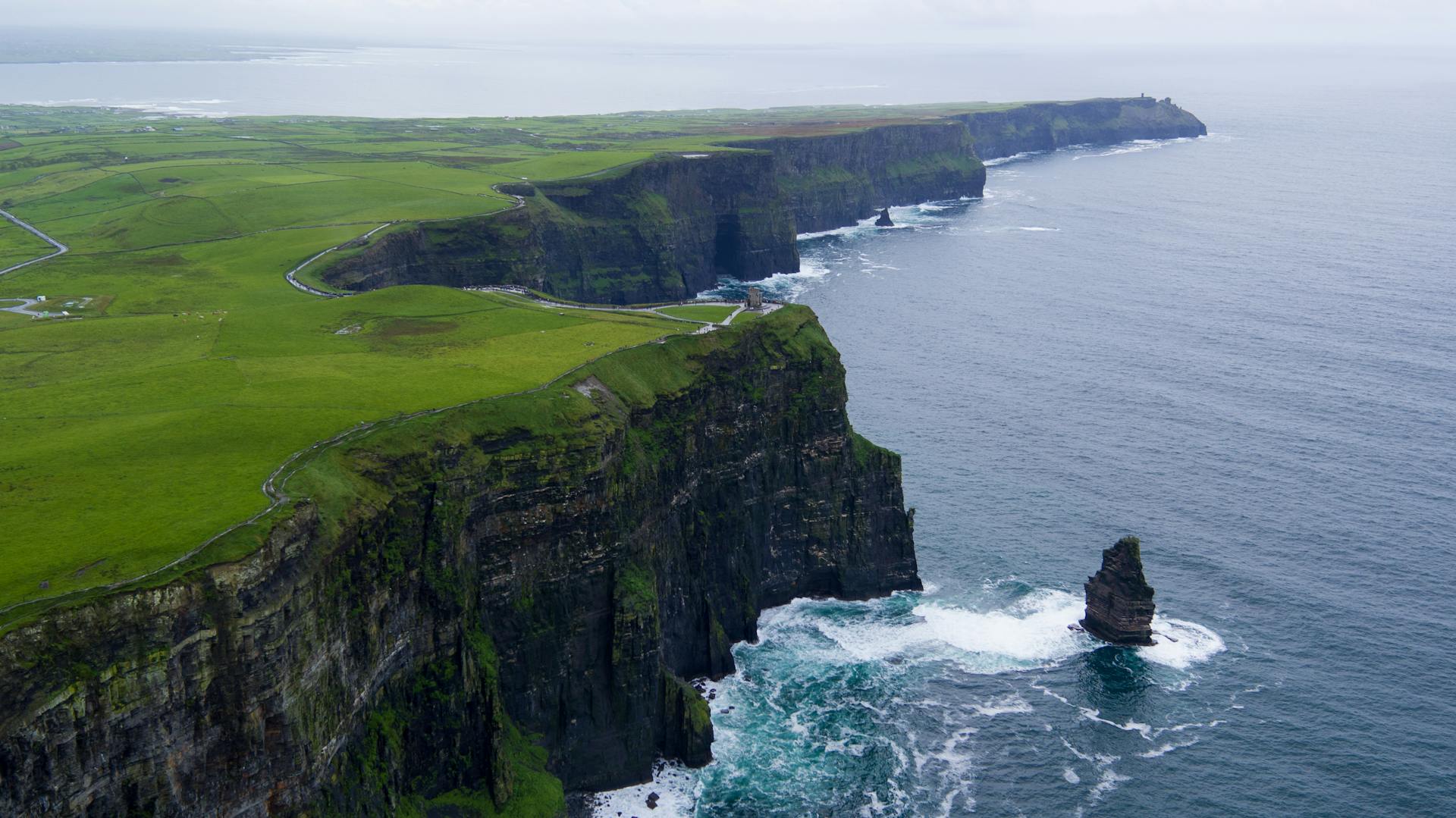
The Wild Atlantic Way deserves its growing fame. The western coast, from Cork to Donegal, is one of the great drives on Earth — the Cliffs of Moher, the Burren’s lunar limestone, the Dingle Peninsula where the mountains fall into the sea and the pubs have traditional music sessions that feel like they have been running since Tuesday. Galway is the heart of the west, a small city with the energy of a place three times its size and the best oysters in the country. Dublin earns its literary reputation — you can trace Joyce and Yeats and Beckett through streets that still feel like their sentences. The north is undersold: the Causeway Coast, the Glens of Antrim, Belfast’s remarkable reinvention from conflict to culture.
When to go: May to June for the longest days and the best chance of dry weather — though “best chance” is relative in Ireland. September is lovely and less crowded. It will rain regardless of when you come. Bring layers, not expectations of sunshine.
What most guides get wrong: They underestimate the distances and overestimate the speed. Irish roads are narrow, winding, and shared with sheep. This is not a flaw — it is the point. Slow down. Stop in villages that are not in the guidebook. Go to the pub. Order a pint. Say hello. Ireland will do the rest.
Explore
Places in Ireland

Aran Islands
Three limestone islands off the Galway coast where Irish is the first language, stone walls grid the landscape, and ancient forts perch on Atlantic cliffs.
Belfast
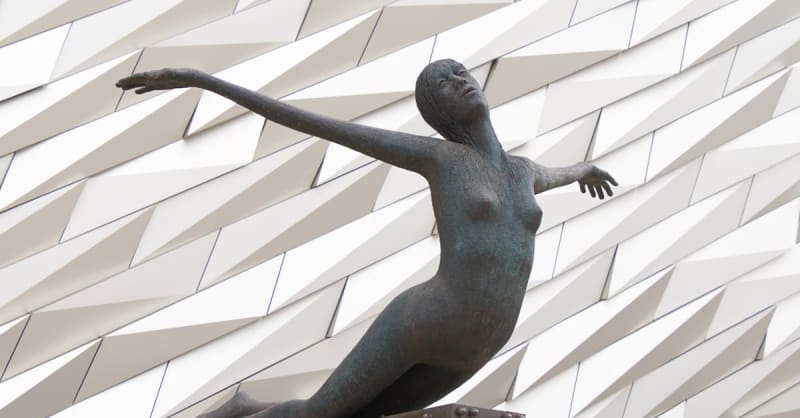
A city transformed — from Troubles to Titanic, from shipyard to cultural quarter — where gritty resilience has produced one of Europe's most compelling urban reinventions.
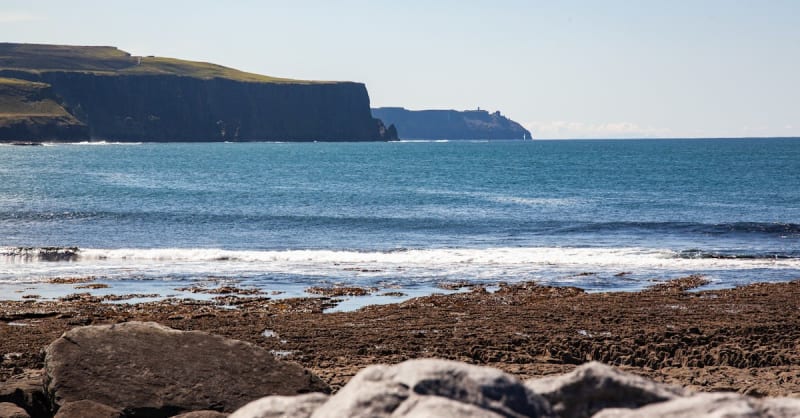
Cliffs of Moher
Two hundred meters of sheer limestone dropping into the Atlantic — Ireland's most visited natural wonder and a place that earns every hyperbole.
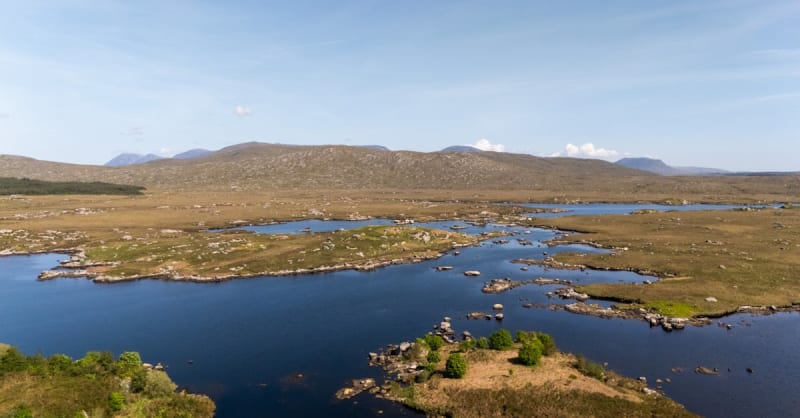
Connemara
Ireland's wild west — a vast, boggy, mountain-backed landscape of stone walls, lonely lakes, and light that painters have been chasing for centuries.

Cork
Ireland's rebel city and food capital, built on islands in the River Lee with a fierce local pride and the English Market that changed Irish food culture.

Dingle
A tiny fishing town on the westernmost peninsula in Europe, where Irish is still spoken, the pubs are legendary, and the landscape is mythic.
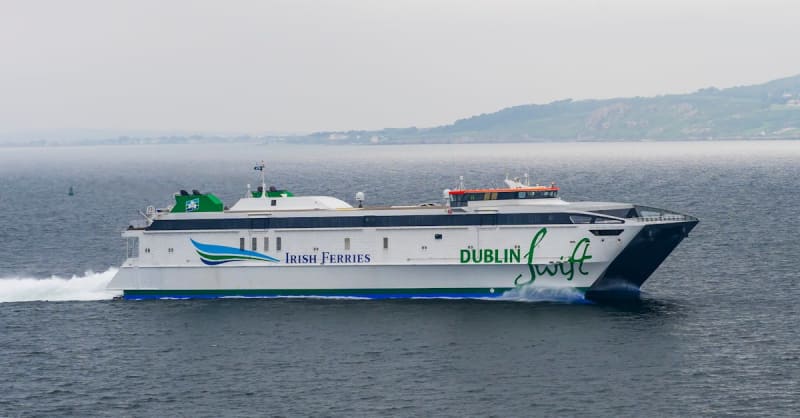
Dublin
A literary capital with a Georgian heart, where the pubs are churches, the churches are museums, and the craic is a way of life.

Galway
Ireland's bohemian west coast city, where traditional music spills from every doorway and the Atlantic sets the mood.
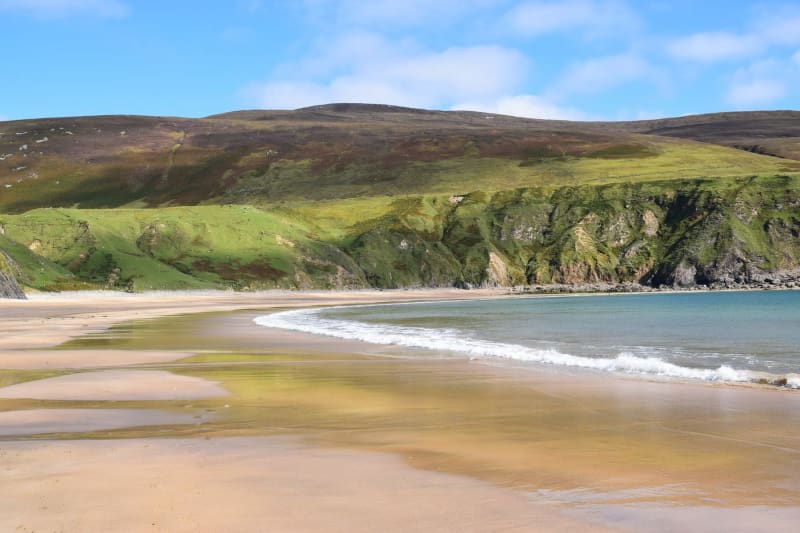
Glencolmcille
A remote coastal valley in Donegal where Irish is still spoken and a folk village museum preserves four centuries of thatched life.
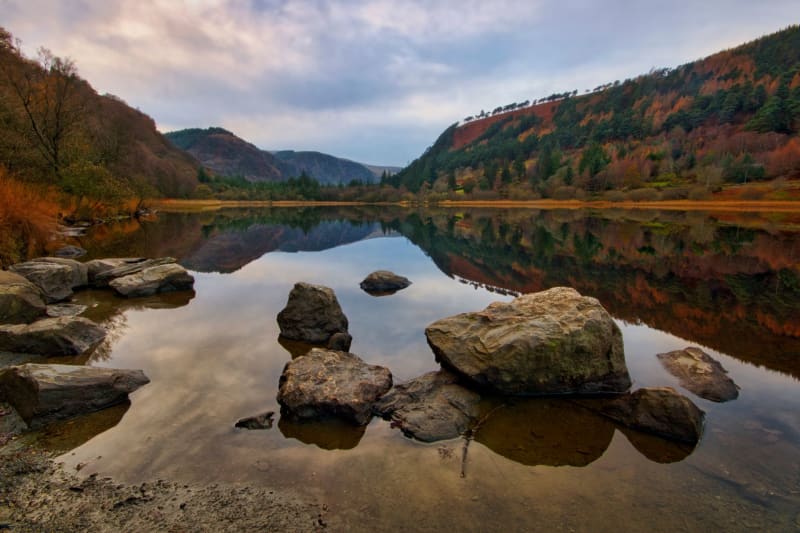
Glendalough
A glacial valley of two dark lakes in the Wicklow Mountains, where an early monastic settlement and a slender round tower stand among oak woods and bracken.
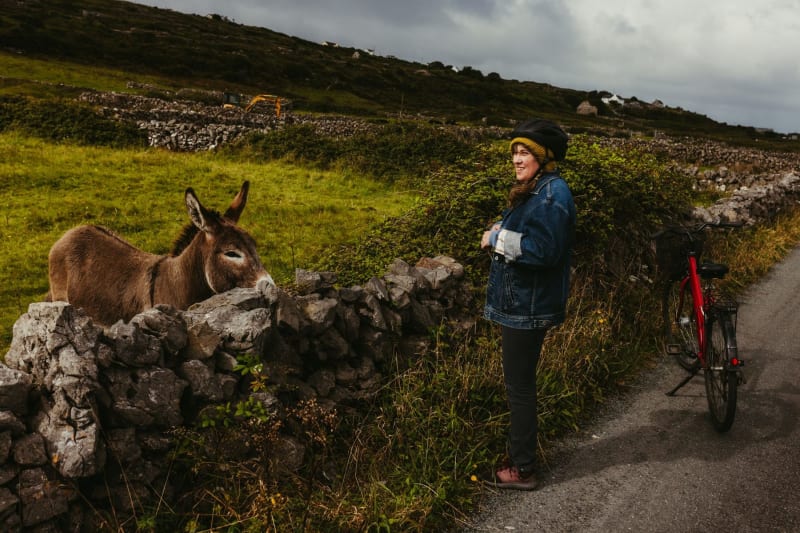
Inishmaan
The middle Aran Island in Galway Bay, quieter than Inis Mór, where stone walls outnumber people and J.M. Synge spent his summers.
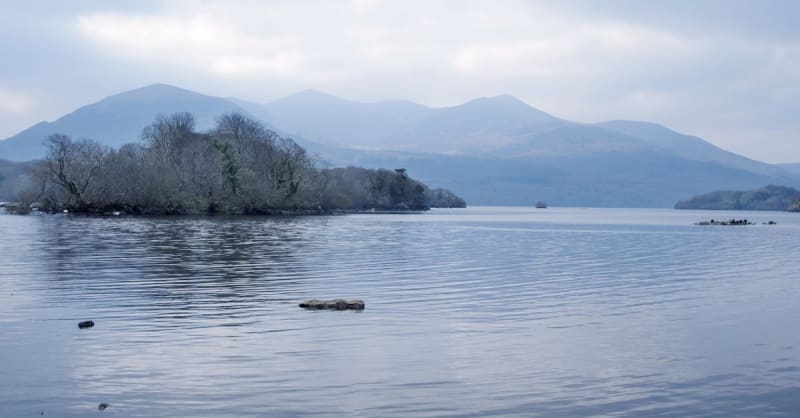
Killarney
A gateway town to Ireland's most celebrated national park, where ancient oak woods, mirror-still lakes, and misty mountains create a landscape of almost excessive beauty.
Ring of Kerry
A 179-kilometer coastal loop through Ireland's most dramatic scenery — mountains plunging into the Atlantic, ancient stone forts, and light that changes every ten minutes.
Skellig Michael
A pyramidal Atlantic rock where 6th-century monks built a monastery of dry-stone beehive cells 714 steps above the ocean.
