Mosul
"Mosul rebuilds in plain sight — scaffolding and carved stone and the smell of fresh bread, all at once."
I came to Mosul with a specific image in my head — the 2015 footage of ISIS fighters at the Mosul Museum, sledgehammering Assyrian statues that had survived two thousand years. It is a hard image to displace. But Mosul has been displacing it, deliberately and with enormous effort, through the act of rebuilding what was destroyed, and the result is one of the most viscerally moving urban experiences I have had anywhere.
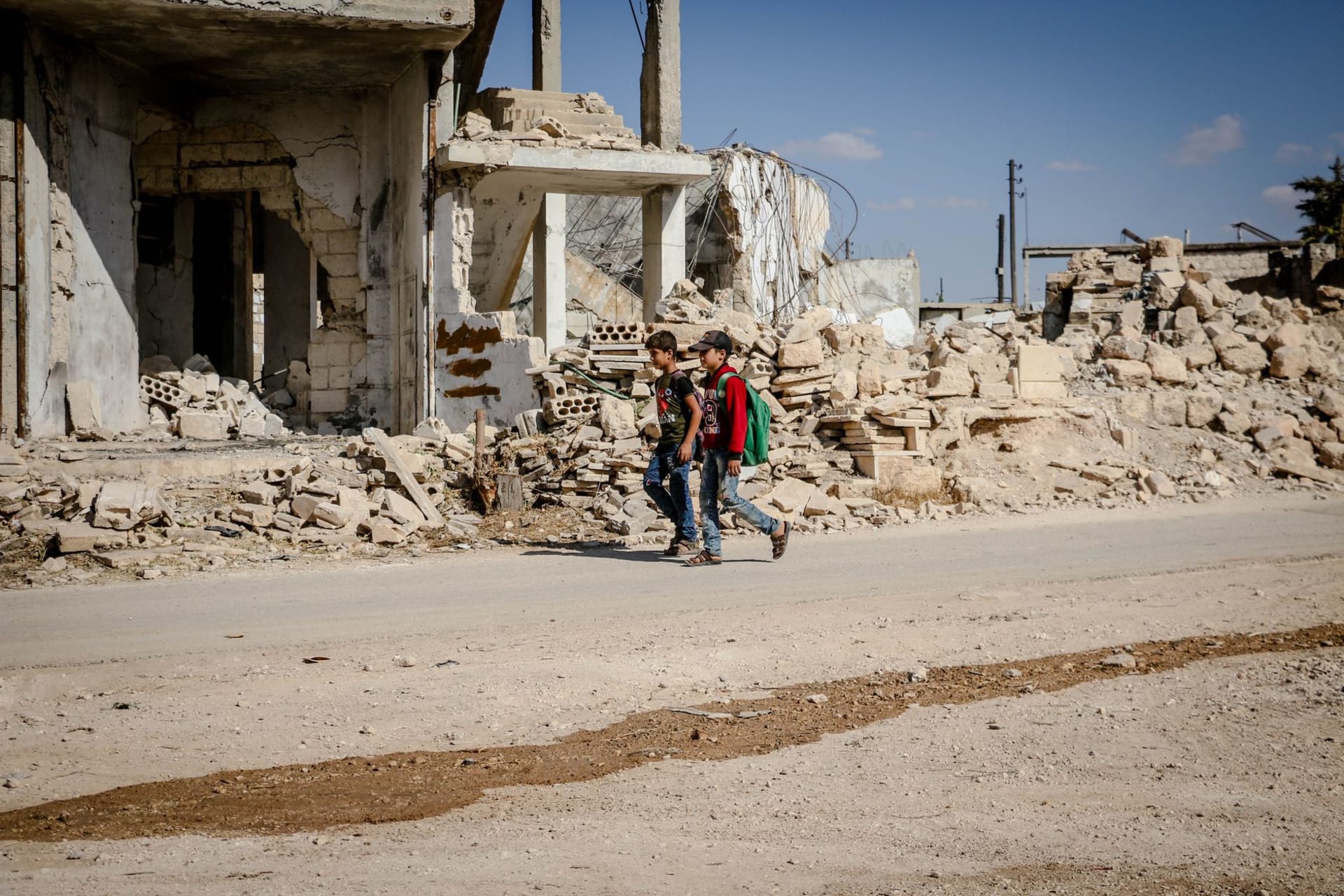
The Old City on the west bank of the Tigris was almost completely destroyed between 2016 and 2017 during the battle to recapture it from ISIS. What you walk through now is a restoration that is explicitly, conspicuously in progress. The Al-Nouri Mosque — whose famous leaning minaret, the Hadba, ISIS destroyed rather than allow it to become a symbol of liberation — is being rebuilt by UNESCO with Iraqi craftsmen using traditional techniques. The scaffolding and the new-cut stone and the ancient walls around it exist simultaneously, and there is nothing uncomfortable about this: the restoration is the story, and watching it happen is the point.

Al-Midan Street in the old city was the commercial heart of Ottoman Mosul, its limestone buildings with their decorated facades representing a distinctive architectural tradition that blends Arab, Kurdish, and Syriac Christian influences. Parts of the street survived the battle with enough integrity to be habitable, and the commercial life that has returned to it has a particular urgency — shop owners who lost everything once are not casual about their second attempt. A man who sells spices from a restored eighteenth-century building told me that he had been operating from his front doorstep for a year before the building was safe enough to move back into. He seemed to find this funny in retrospect, though I suspect he had not found it funny at the time.
The eastern bank of the Tigris — New Mosul, the more modern city — was less severely damaged and gives you an idea of what the old city is returning toward: a working urban fabric with good food, animated street life, and a particular Moslawi hospitality that several people warned me about in the admiring sense. The warning was justified. You cannot walk through the old bazaar without someone offering you tea, and the offers are not the transactional hospitality of a tourist economy but the genuine kind that comes from a culture whose self-respect is partly expressed through generosity to strangers.

The surrounding Nineveh Plains hold the Assyrian Christian villages that predate the Islamic conquest of Mesopotamia by centuries. Many were ethnically cleansed by ISIS; many are now returning and rebuilding their churches. Driving through these villages — Bartella, Karamles, Bakhdida — you see the same process happening that you see in Mosul itself: scaffolding and fresh paint and people choosing, consciously and in the face of everything, to come back. There is something about the collective decision to return that alters how you think about resilience, which is a word that usually gets applied to individuals but belongs here to a whole culture.
When to go: October through April. Mosul in spring is particularly striking — the surrounding Nineveh Plains green up briefly after winter rains and the light on the limestone buildings of the old city has a warmth that the summer heat does not produce. Avoid summer: this latitude is punishing in July and August.