Hatra
"I stood inside walls that beat Trajan and thought about how thin the line is between surviving history and becoming it."
A desert fortress of sun temples and battered towers that shrugged off two Roman sieges and never fully recovered from 2015.
Lia and I drove out from Mosul before sunrise, the kind of early start that only makes sense when you know the desert is going to turn into an oven by noon. Hatra appears almost without warning, a ring of golden stone rising out of flat scrubland in Nineveh Governorate, and for a moment neither of us said anything. I’d read about the double walls that held off Trajan’s legions in 116 CE and then Septimius Severus in 198, but reading about a fortification and standing inside one that actually worked are two very different things. You can still trace the logic of the place: outer wall, killing ground, inner wall, and then the sanctuary at the heart of it all, built to survive exactly the kind of siege it survived twice.
What got me most wasn’t the scale, though the scale is real, it’s the mixing. Hatra was the capital of a small Arab kingdom that aligned itself with the Parthians, sitting right at the seam between Rome and Persia, and the temples show it. Hellenistic columns support arches with unmistakably Eastern decorative carving, dedicated to sun gods whose names I had to ask our guide to repeat twice. Standing under one of the great vaulted iwans, I felt like I was reading a sentence written in two languages at once, and somehow it worked.
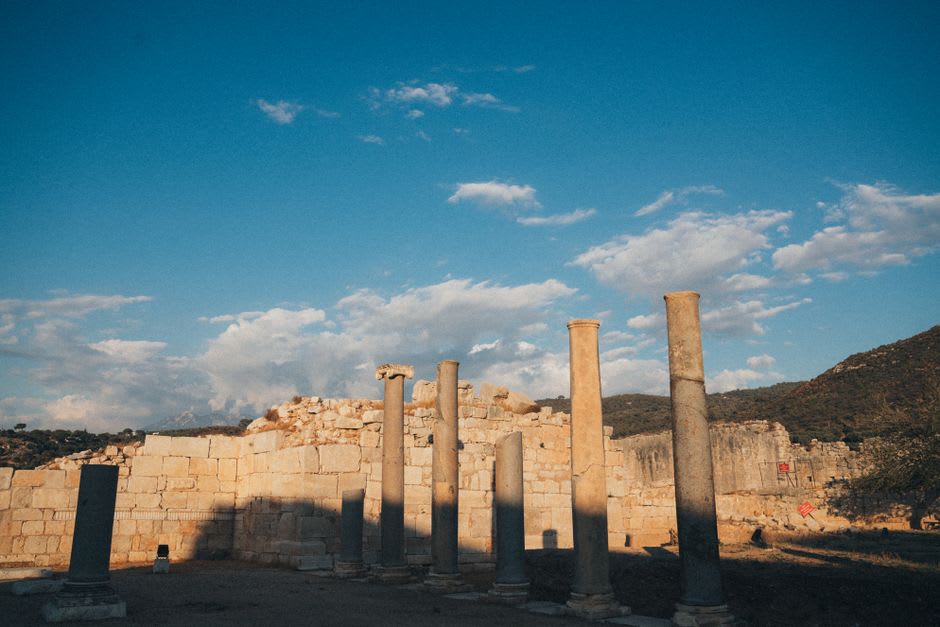
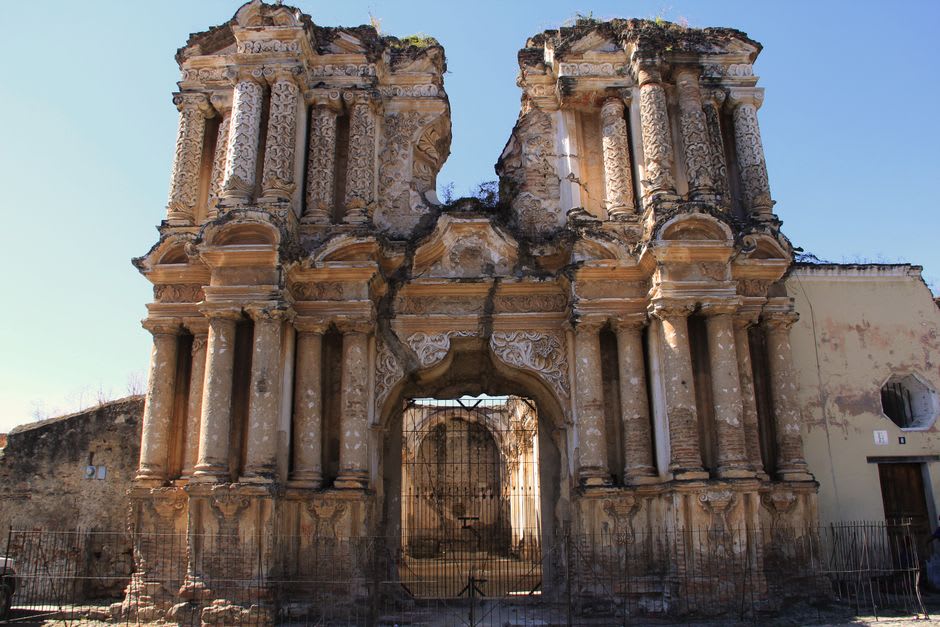
We ate lunch in the shade of a fallen lintel, flatbread and dates Lia had packed that morning, and it was there that our guide, a young archaeologist from Mosul, told us plainly what ISIS had done here in 2015. Sledgehammers and explosives against carvings that had survived two thousand years of empires rising and falling. Some of the temple facades are missing faces now, literally, statues decapitated or entirely erased. UNESCO inscribed Hatra as a World Heritage Site back in 1985, and hearing that fact next to what I was looking at landed harder than any statistic usually does. I didn’t take photos of that part. Some things you just sit with.
By the time we left, the heat had climbed high enough that even the guide was ready to go, and I understood why everyone we’d talked to in Mosul had insisted we come in winter. Hatra isn’t a place you rush anyway. It rewards standing still, looking at what’s left, and imagining, carefully, what isn’t.
When to go: Aim for November through March. The desert around Hatra turns brutal by late spring, and the site has almost no shade beyond what the ruins themselves provide, so the cooler months aren’t just more comfortable, they’re what makes lingering possible.
Keep exploring
More from Iraq
 iraq
iraq Karbala
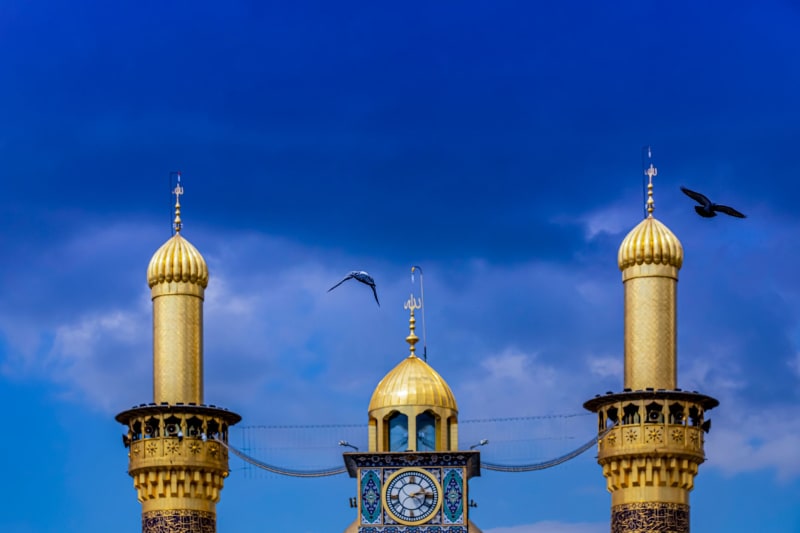
Two golden-domed shrines in the Iraqi desert that draw twenty million pilgrims a year and a grief so old it has become architecture.
Explore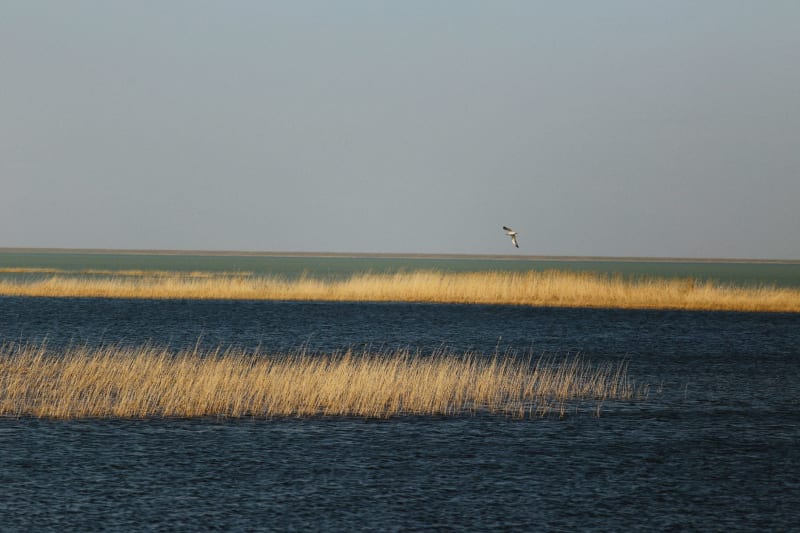 iraq
iraq Mesopotamian Marshes
Reed islands floating on the Biblical Garden of Eden, where Marsh Arabs still pole wooden boats through channels that predate writing.
Explore iraq
iraq Mosul
A city on the Tigris that rebuilt its old mosques from rubble and its street life from memory, and is doing both at astonishing speed.
Explore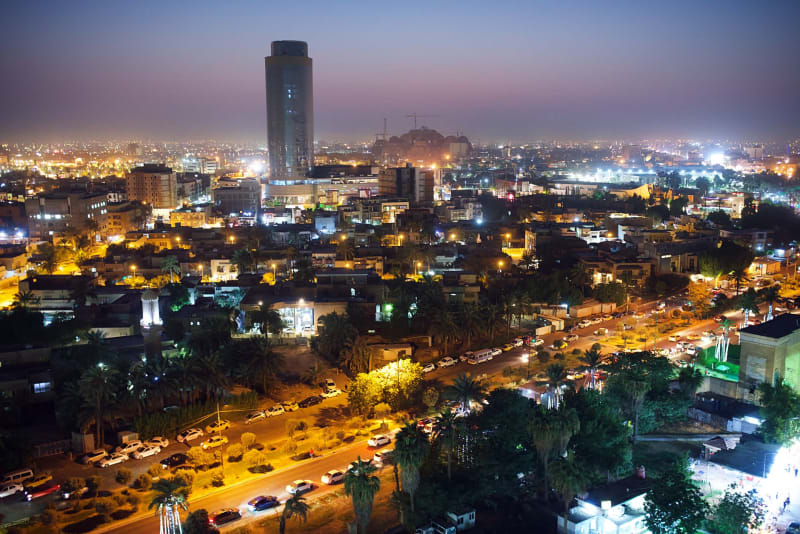 iraq
iraq Najaf
The holiest city in Shia Islam, where the golden dome of Ali's shrine floats above the world's largest cemetery like a declaration of permanence.
Explore iraq
iraq Samarra
A spiral minaret that has been defying gravity since 851 CE and a Tigris-bend city still trying to reconcile its Abbasid glory with everything since.
Explore iraq
iraq Sulaymaniyah
The Kurdish city where mountain air, strong tea, and a particular pride in poetry and painting collide in the most unexpectedly civilized way.
Explore