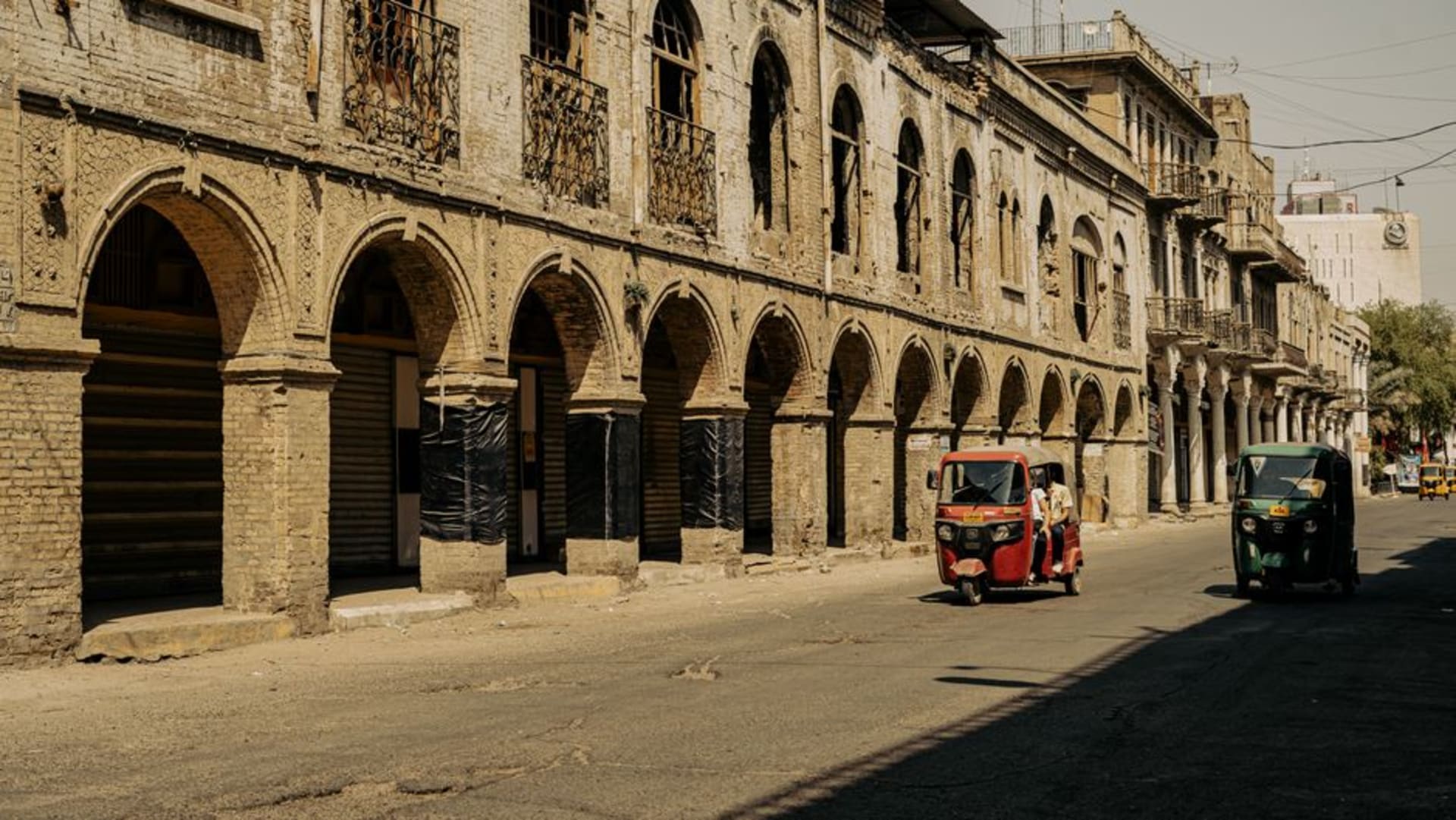
Ctesiphon (Taq Kasra)
"I stood under a ceiling built for kings I'd only read about, and felt very small in the best way."
A single brick arch outside Baghdad that once anchored an empire's capital, still standing after fifteen centuries on the Tigris.
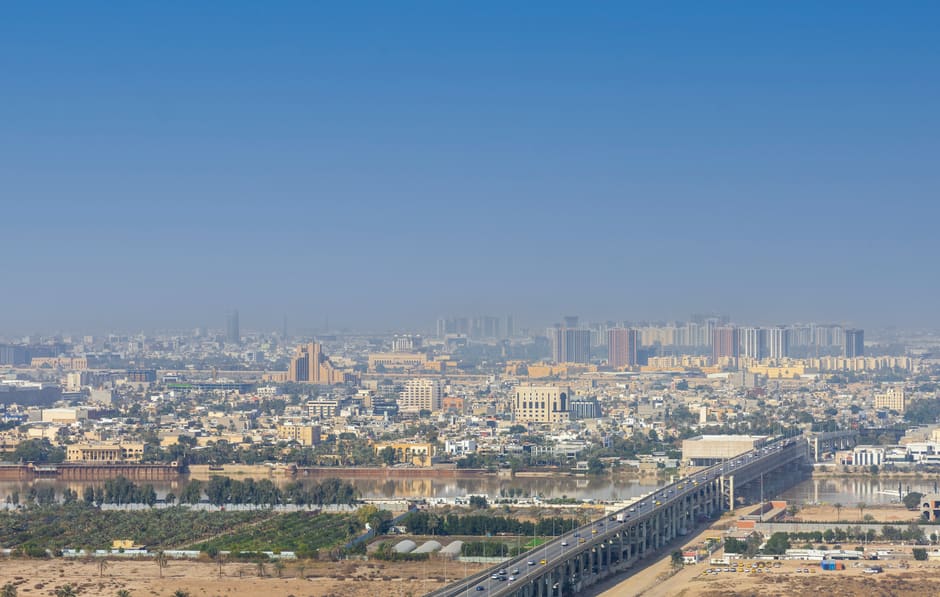
We drove out from Baghdad early, the kind of pale, dusty morning that makes the road south along the Tigris look almost silver. Lia had her camera on her lap the whole way, fidgeting with the settings, and I kept glancing at the map on my phone even though there was really only one road to follow. About 35 kilometers later, the flat horizon just opens up and there it is: the Taq Kasra, a single brick arch so big it barely looks real from a distance, like someone propped a piece of sky against the ground. I’d seen photos for years before this trip, but nothing prepared me for how it dwarfs everything around it, including the handful of other visitors wandering the site that morning.
What gets me every time I think back on Ctesiphon is the math of it. This was the capital of the Parthian Empire, and then the Sasanian Empire after that, for more than 800 years — longer than most modern countries have existed. The arch itself, this soaring vault of unreinforced brick, was raised under King Khosrow I in the 6th century, and it still holds the record as the largest single-span brick vault anywhere in the world. No steel, no rebar, just stacked and mortared brick curving overhead like it’s defying something. Lia stood in the middle of it for a long time, head back, just looking up, and I remember not wanting to say anything and break whatever she was feeling.
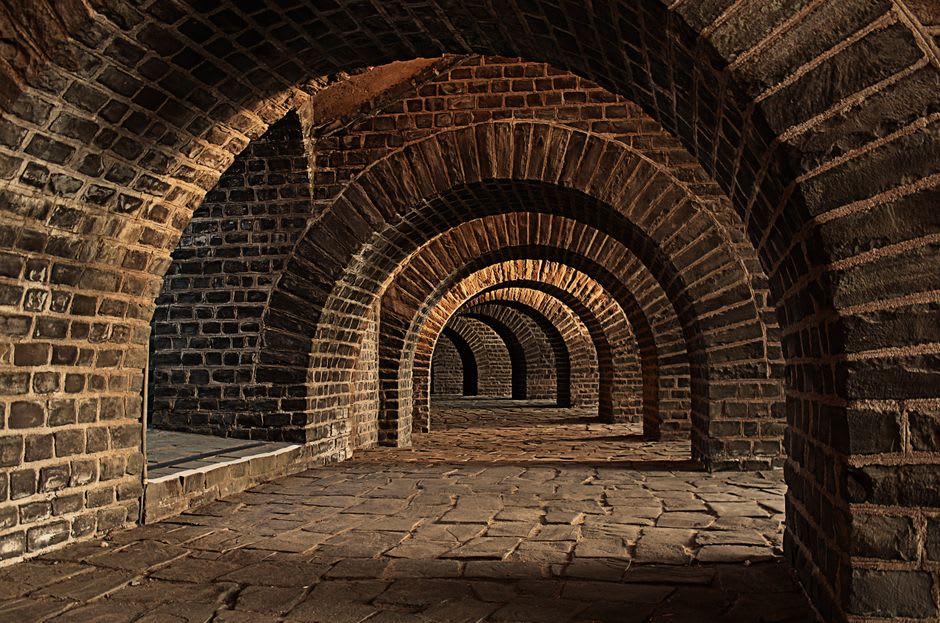
The rest of the ancient city is mostly gone now, swallowed by time and the river and centuries of reuse, so the arch really is the whole story here — the one thing left standing to tell you a capital once sprawled across this ground. It fell in 637 CE, when Arab Muslim armies took the city in the aftermath of the Battle of al-Qadisiyyah, and that was effectively the end of Sasanian rule in the region. Standing there, I kept thinking about how strange it is that a single structure can outlast an entire empire’s memory of itself — brick outlasting bureaucracy, outlasting armies, outlasting language even. We ate lunch sitting on a low wall nearby, flatbread and cheese I’d grabbed from a shop in Baghdad, watching the light change on the brickwork as clouds moved through.
By early afternoon the heat was already climbing even though it was still cool season, and I understood immediately why nobody does this trip in July. We lingered as long as we reasonably could, circling the arch a couple more times, Lia chasing better angles for her photos, me just trying to fix the scale of the thing in my memory before we left. Some places you visit and forget the details within a week. Ctesiphon isn’t one of them.
When to go: Aim for somewhere between October and April — outside that window, the heat around Baghdad turns a peaceful morning at the arch into a rushed one.
Keep exploring
More from Iraq
 iraq
iraq Dohuk
A Kurdish mountain city ringed by peaks where the air is clean and the valleys hold Yazidi villages and ancient monasteries that no one warns you about.
Explore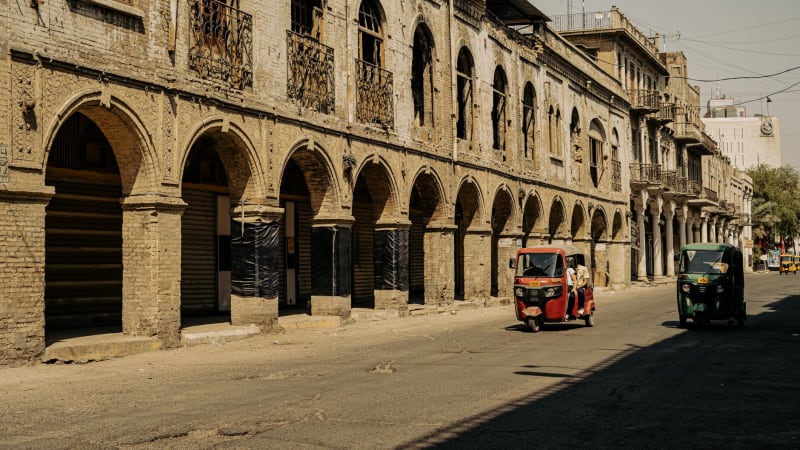 iraq
iraq Erbil
Built on seven thousand years of compressed human history, this Kurdish capital rises from the plain like a city that earned its skyline.
Explore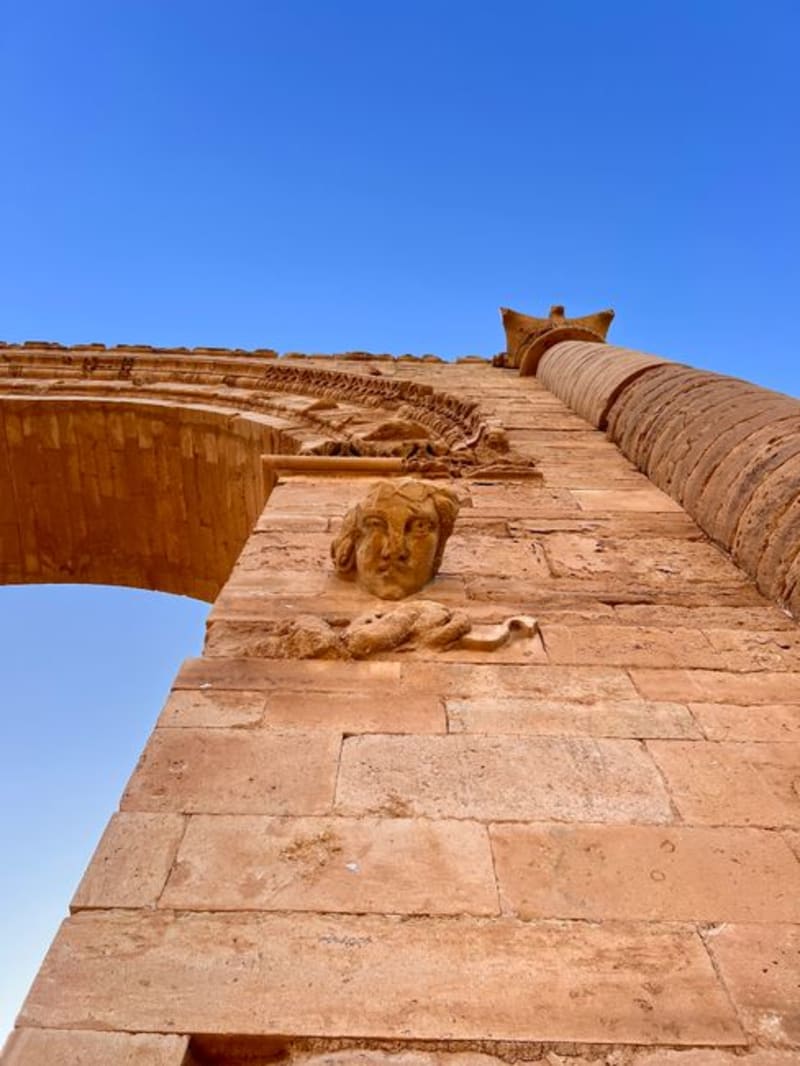 iraq
iraq Hatra
A desert fortress of sun temples and battered towers that shrugged off two Roman sieges and never fully recovered from 2015.
Explore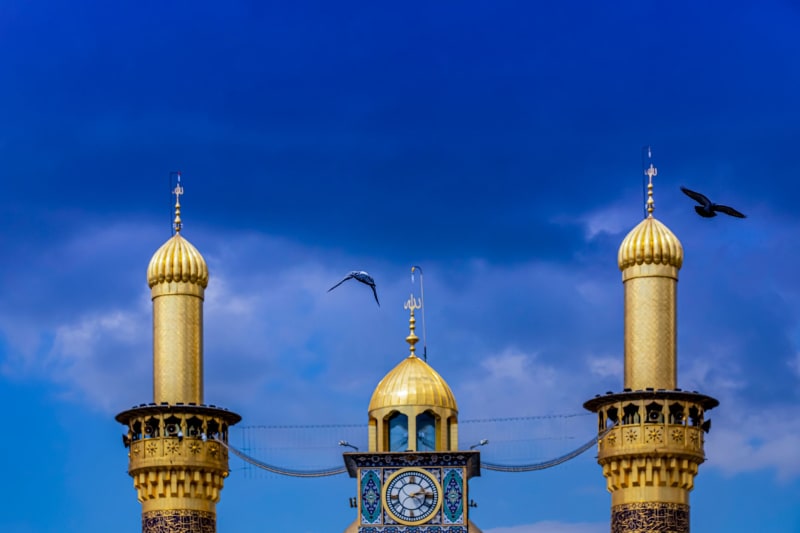 iraq
iraq Karbala
Two golden-domed shrines in the Iraqi desert that draw twenty million pilgrims a year and a grief so old it has become architecture.
Explore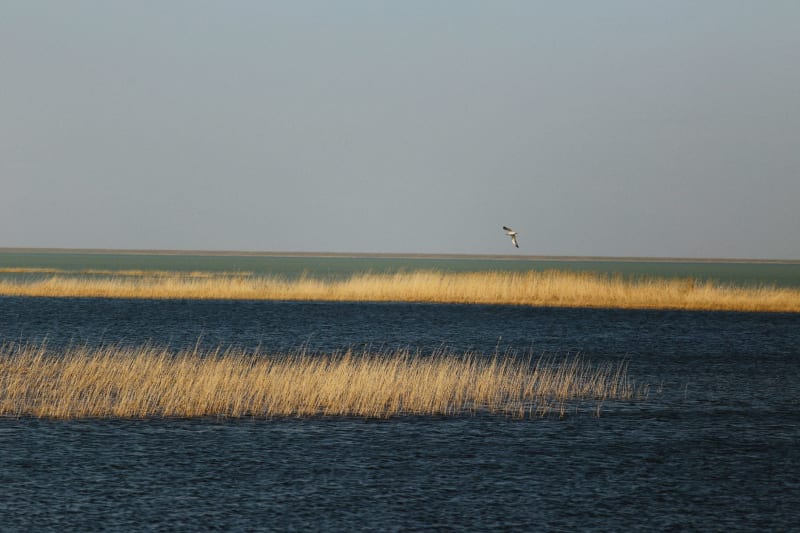 iraq
iraq Mesopotamian Marshes
Reed islands floating on the Biblical Garden of Eden, where Marsh Arabs still pole wooden boats through channels that predate writing.
Explore iraq
iraq Mosul
A city on the Tigris that rebuilt its old mosques from rubble and its street life from memory, and is doing both at astonishing speed.
Explore