Takht-e Soleyman
"A lake with no visible bottom, ringed by ruins from three different empires. I've never felt smaller in a landscape."
A ruined Zoroastrian fire temple circling a bottomless volcanic lake in a remote highland basin, sacred for three thousand years before Islam and still one of the strangest, least-visited places I've seen in Iran.
Takht-e Soleyman — the Throne of Solomon — sits in a remote volcanic basin in West Azerbaijan province, far enough off the main tourist circuit that we saw exactly four other visitors during our entire afternoon there. It is, without exaggeration, one of the strangest and most beautiful archaeological sites I encountered anywhere in Iran.
Three Thousand Years of Sanctity
At the center of the site is an oval turquoise lake, fed by an artesian spring and, by some estimates, over a hundred meters deep with no measured bottom — a fact that surely contributed to the site’s sacred status across multiple religions and empires long before anyone could explain the hydrology. The Sassanid Empire built one of the three most important Zoroastrian fire temples here, the Azargoshnasp, dedicated to Adur Gushnasp, the fire of warriors and kings. Persian kings reportedly made pilgrimages here to be crowned, which is where the later, more fanciful name — tying the site to King Solomon — eventually attached itself. UNESCO inscribed the entire complex in 2003, citing its continuous religious significance across Zoroastrian, and later Islamic, tradition.
Walking the Ring Wall
A path circles the entire site atop the ruined fortification walls, giving views down into the lake from nearly every angle — the water shifts from deep turquoise to near-black depending on the cloud cover, which changed constantly the afternoon we visited. Genghis Khan’s forces reportedly destroyed much of the temple complex in the thirteenth century, and later Ilkhanid rulers built a palace here too, meaning the ruins layer Sassanid fire-temple foundations under Mongol-era stonework in a way that’s genuinely difficult to parse without a guide. We hired one at the entrance for a modest fee and it transformed the visit from “impressive but confusing” into something we actually understood.
A Nearby Volcano, For Contrast
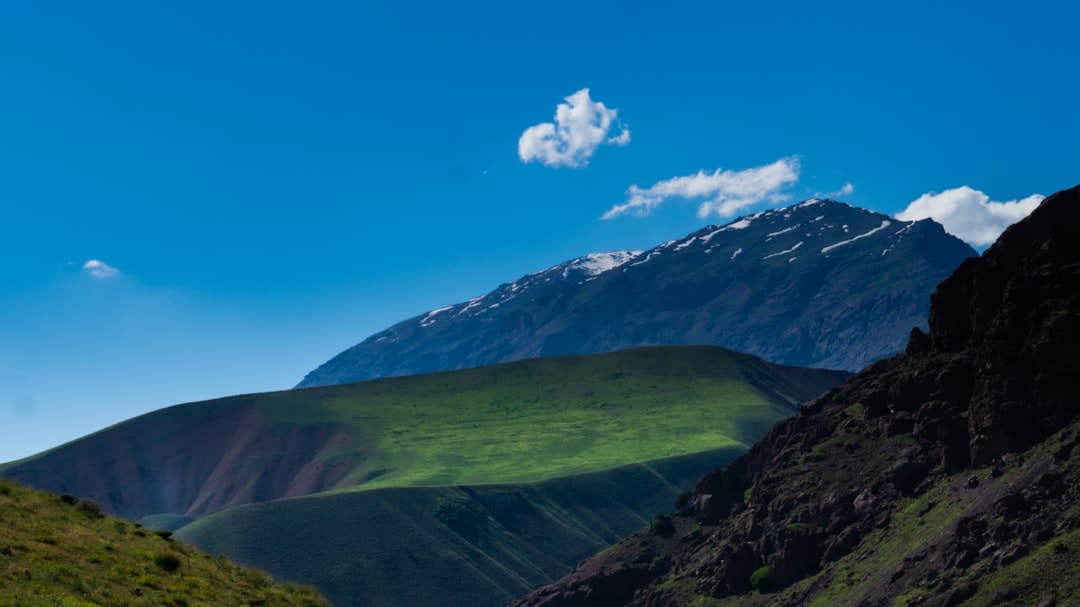
A short drive away sits Zendan-e Soleyman, the “Prison of Solomon,” a collapsed volcanic cone with its own dramatic crater — a natural counterpart to the sacred lake that most visitors combine into the same day trip. Standing at its rim after the stillness of the main site felt like a deliberate change of register, from sacred to simply geological.
When to go: May through September — the site sits at high altitude and the access road can be difficult or closed in winter. Weekday mornings all but guarantee you’ll have the ruins largely to yourself.
Keep exploring
More from Iran
 iran
iran Taq-e Bostan
A grove and reflecting pool outside Kermanshah where Sassanid kings carved themselves, larger than life, into a cliff face 1,500 years ago.
Explore iran
iran Tehran
A sprawling, contradictory capital where Alborz snowpeaks appear at the end of every north-south street and a world-class art collection hides in plain sight.
Explore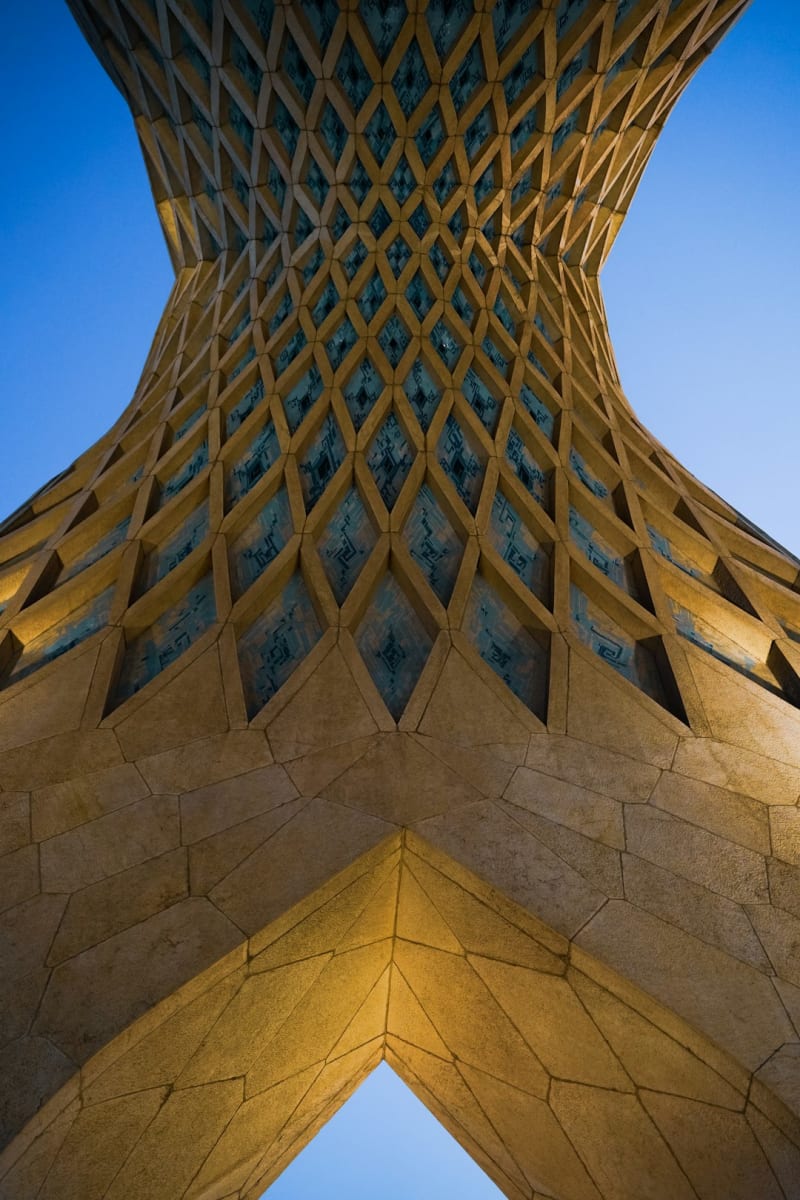 iran
iran Tepe Sialk
A seven-thousand-year-old mound on Kashan's outskirts, where a half-melted ziggurat quietly outdates almost everything else you'll see in Iran.
Explore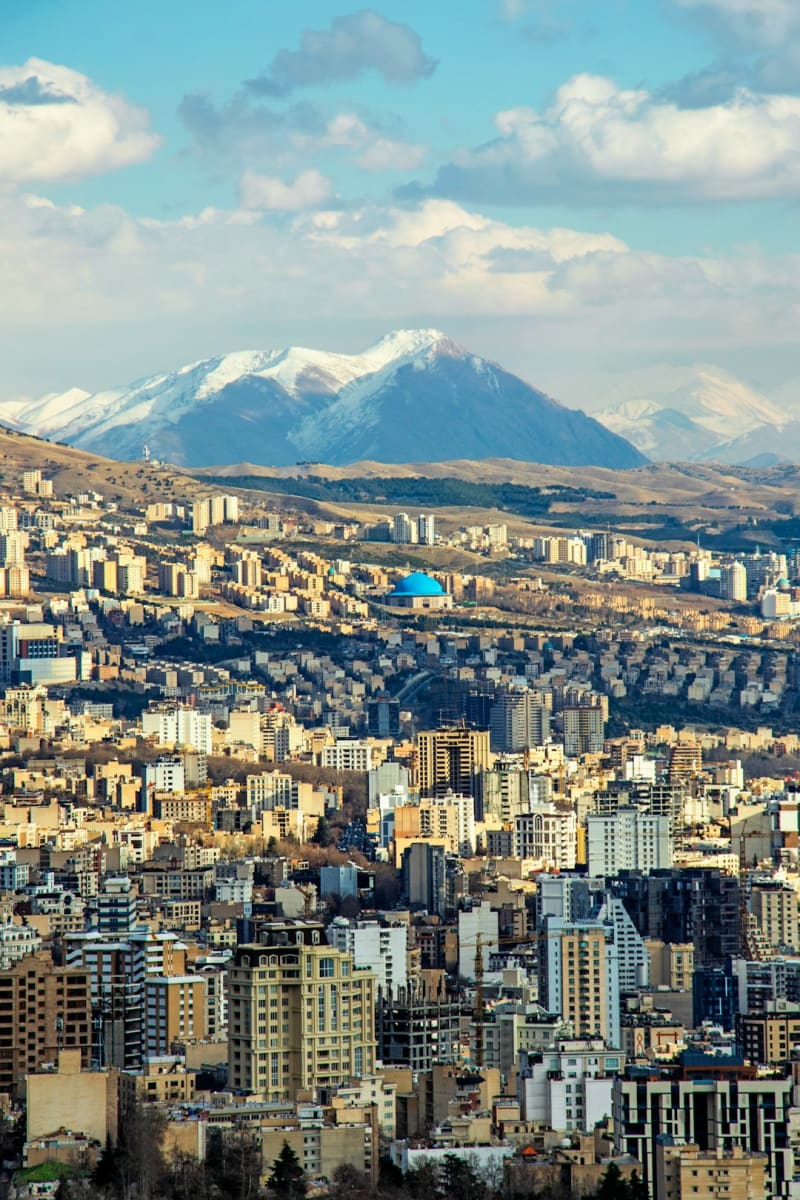 iran
iran Tochal
A seven-stage gondola that lifts you from Tehran traffic to 3,900 meters of Alborz alpine terrain in under forty minutes — ski slope in winter, hiking trail the rest of the year.
Explore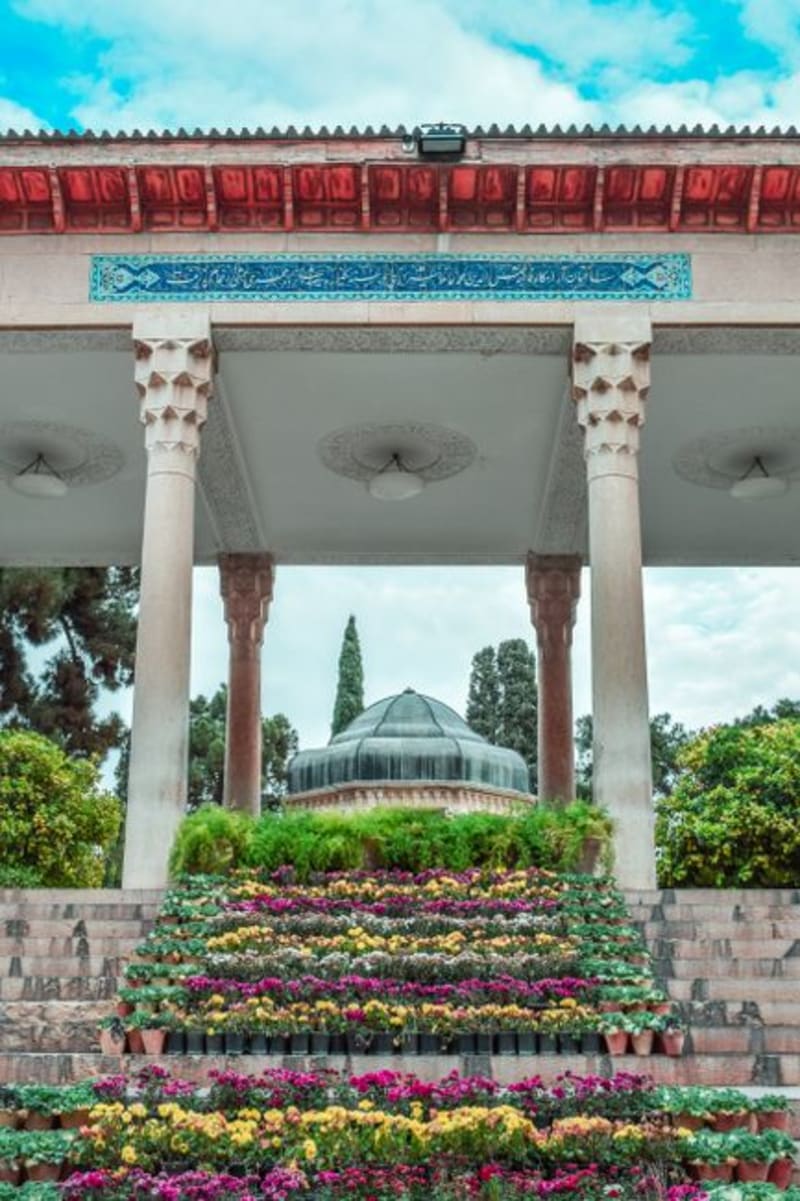 iran
iran Tomb of Hafez
A garden pavilion where Iranians still come to ask a dead poet for advice — and get an answer.
Explore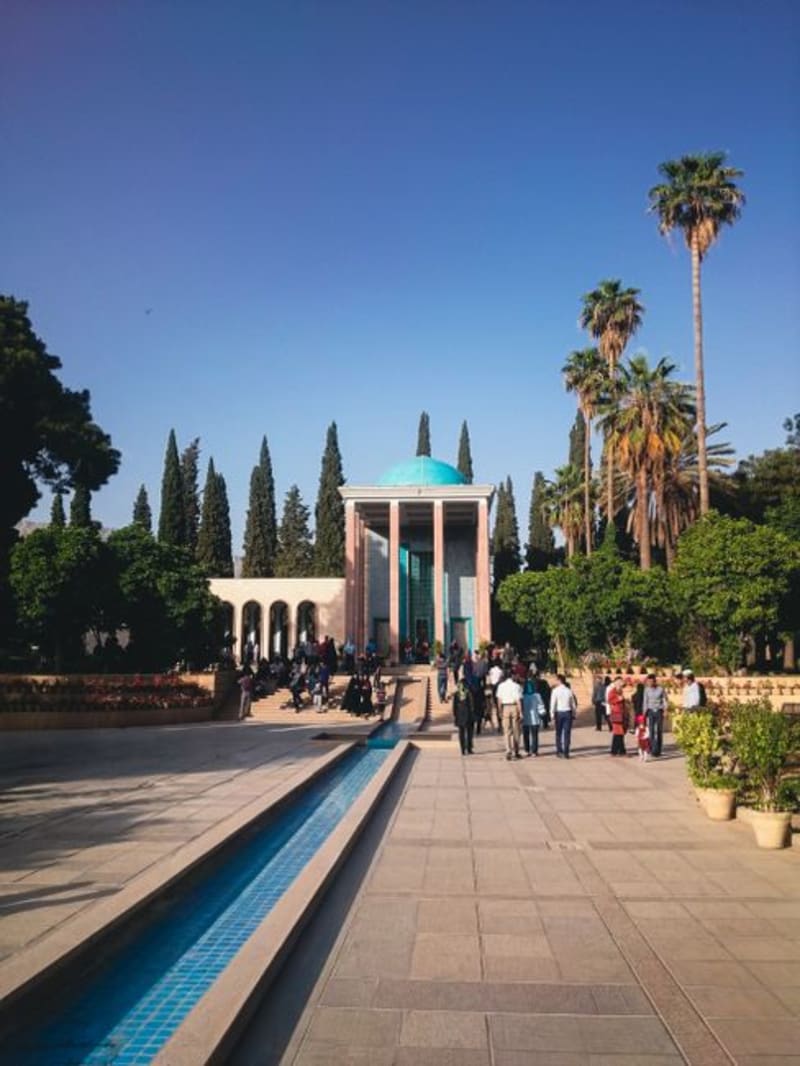 iran
iran Tomb of Saadi
A quieter, greener sibling to the Hafez shrine, built for the poet who wrote that all of humanity is one body.
Explore