Susa
"Five thousand years of continuous habitation, and the site guard was more excited about it than I was."
One of the oldest continuously identified cities on earth, where Elamite, Persian, and biblical history stack on top of each other in a dusty Khuzestan mound.
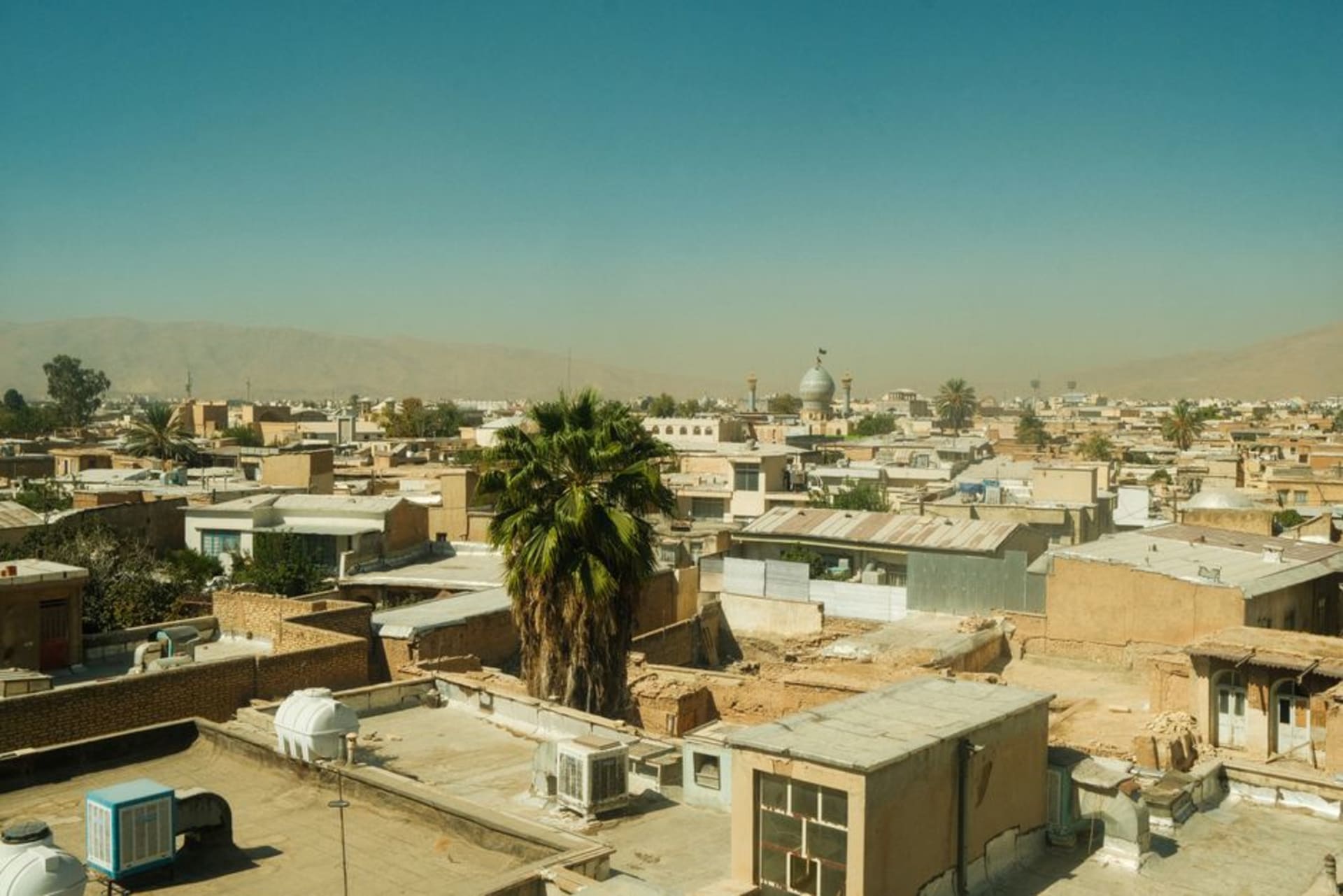
Susa — Shush in modern Persian — doesn’t announce itself. You drive into an unremarkable regional town in Khuzestan province, and the ruins sit almost incidentally at its edge, a series of low mounds that look like nothing until someone tells you what happened in each layer of them. Occupied since at least the fifth millennium BCE, Susa was a capital of Elam, then a Persian imperial capital under Darius the Great, then a Parthian and Sasanian city, then referenced repeatedly in the Book of Esther and the Book of Daniel. Very few places on the planet carry that much continuous weight.
The Apadana of Darius
The most striking excavated section is the Apadana palace built by Darius I, contemporary with the more famous one at Persepolis but earlier and, in its way, more moving because it’s less restored. French archaeologists worked this site for over a century, and what they uncovered — glazed brick friezes of Persian guardsmen, column bases, the layout of an audience hall meant to receive tribute from across the empire — sits mostly in the open, exposed to the elements, without the crowd management of the bigger sites. I stood on the mound in the late afternoon with the wind picking up dust around my ankles and felt something closer to what I imagine early archaeologists felt than what you get at a curated monument.
The Tomb of Daniel
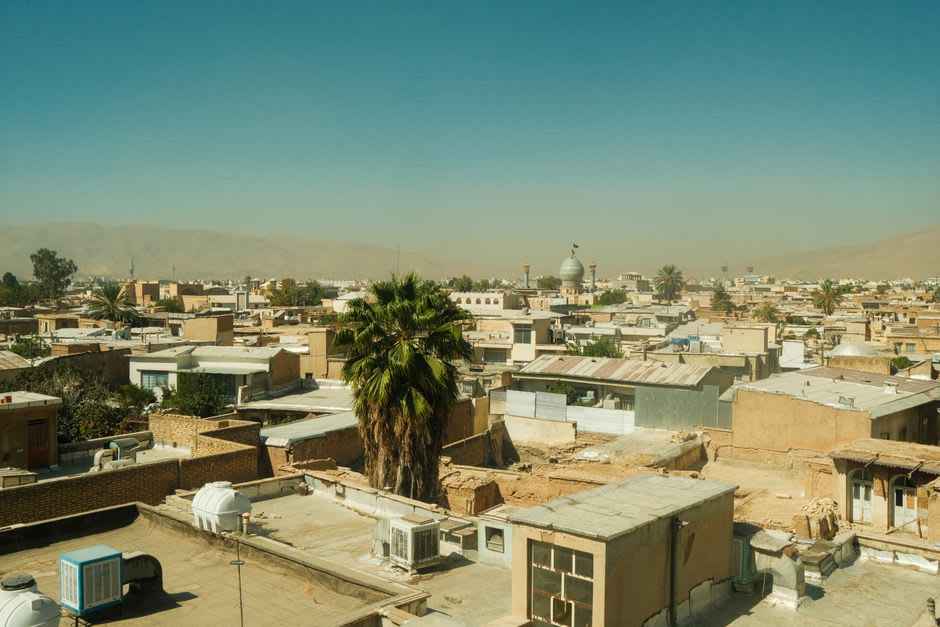
A short walk from the main mound sits the Shrine of Daniel, a distinctively conical-domed structure venerated by Muslims, Jews, and Christians alike as the traditional burial place of the prophet Daniel. It’s an active pilgrimage site, not a museum piece, and watching local families visit it with genuine devotion right next to a five-thousand-year-old excavation gave me a better sense of how Iranians relate to deep history than any placard could — it’s not roped off from daily life, it’s folded into it.

Getting Oriented
Shush is a modest town with basic guesthouses; most visitors combine it with Chogha Zanbil, about forty minutes away, and base themselves in Ahvaz for better hotel options. The on-site museum is small but useful for context before wandering the mounds themselves.
When to go: November through March, for the same reason as the rest of Khuzestan — the summer heat on the plain is genuinely dangerous, and there’s no shade across the open excavation site.