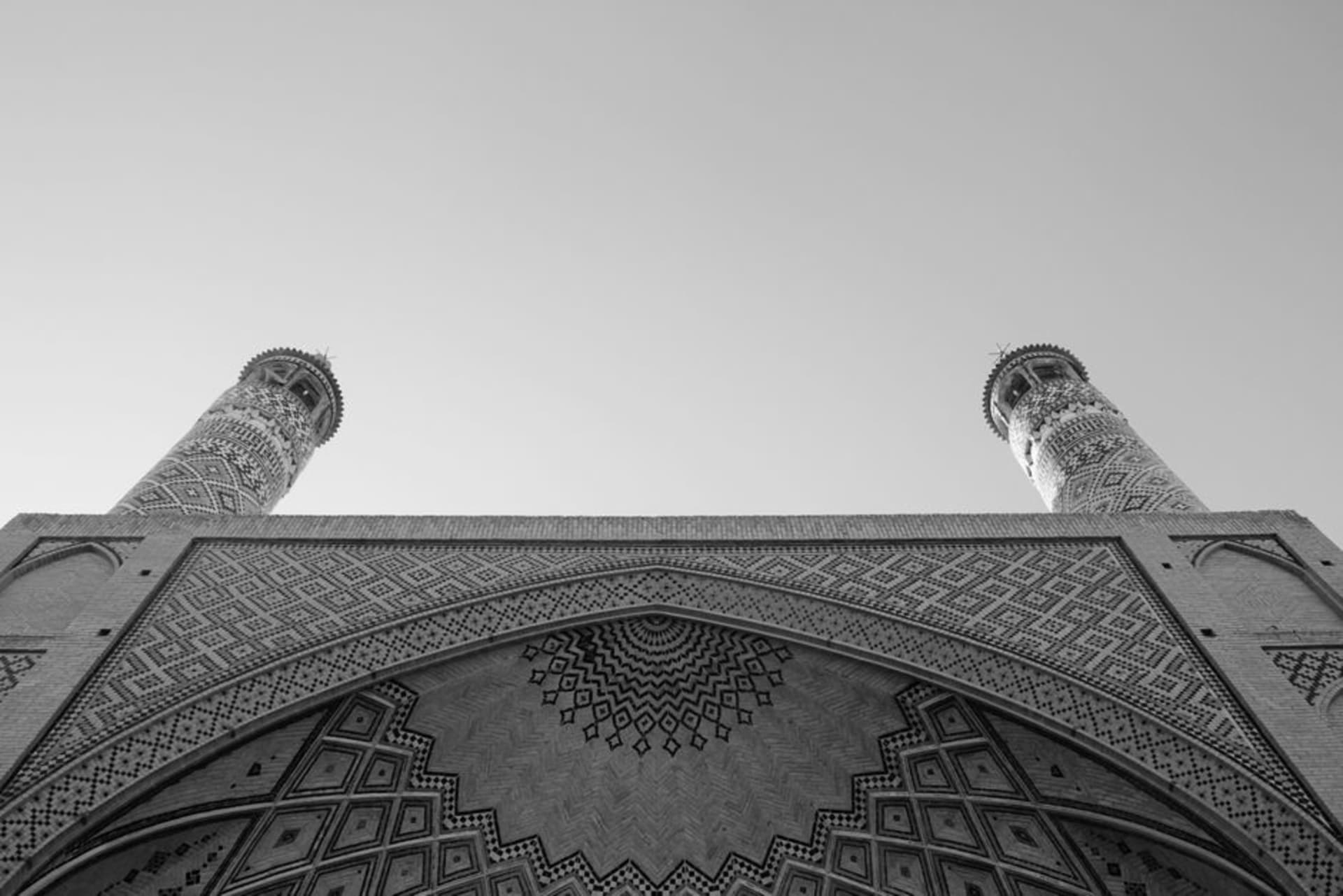
A fourteenth-century mausoleum on the edge of Isfahan where one minaret, gently rocked by hand, makes its twin sway in sympathy across a twenty-meter gap.
I’ll admit the premise sounded like a tourist gimmick before I saw it, and I went in half-skeptical. Monar Jonban sits about six kilometers outside central Isfahan, a modest walled complex built around the fourteenth-century tomb of a dervish named Amu Abdollah, and it would be a footnote on most itineraries if not for its two minarets and the very strange thing they do.
The Physics Nobody Fully Explains
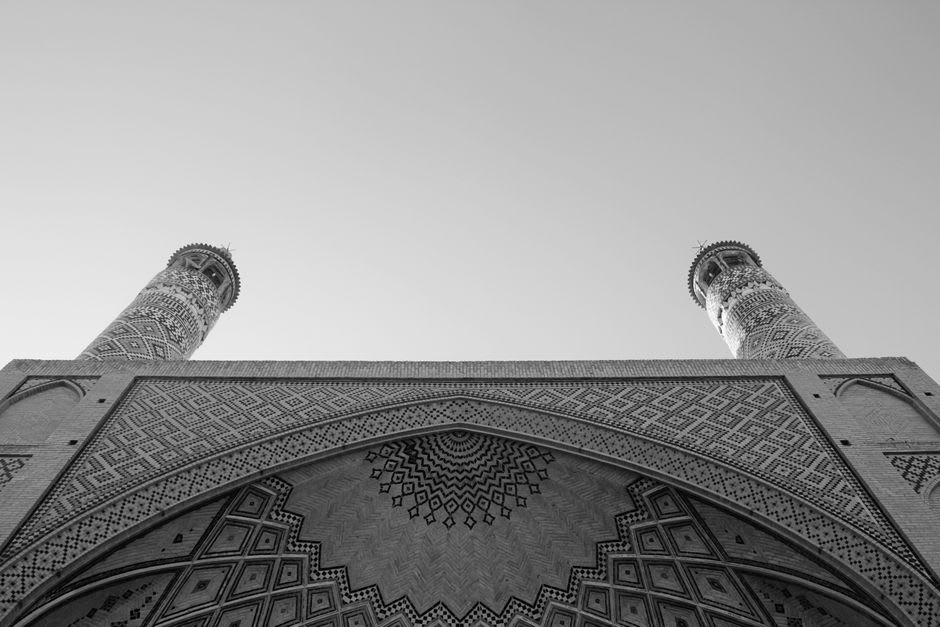
Every hour or so, a caretaker climbs into the upper gallery of one minaret and begins rocking it by pushing rhythmically against the inner walls. Within a few seconds, the minaret — built from mud brick over a wooden frame in a construction technique specific to this period — visibly sways, several centimeters back and forth. Then, without anyone touching it, the second minaret twenty meters away begins to sway too, in matching rhythm, transmitted through the shared structure below. The mausoleum roof between them visibly shudders as well. Guides offer competing explanations — resonance through the shared wooden frame beneath both towers, the specific flexibility of the brick-and-timber construction — but nobody I asked, including two separate guides, gave me an answer that felt fully settled. Iranian engineers have studied it repeatedly and still debate the precise mechanism.
A Small Stop That Earns Its Detour
The complex itself is modest — a walled garden, the small tomb chamber, a teahouse near the parking area — and most visitors are in and out within forty minutes. Lia, who has an engineer’s patience for a good unsolved problem, made me stay through two separate shaking demonstrations, filming the second one in slow motion on her phone to see if she could spot the lag between the two towers. She couldn’t, not conclusively, and she was still talking about it over dinner that night.
It’s an easy half-day add-on if you have a car or are willing to take a taxi from central Isfahan, and it pairs naturally with a stop at the nearby Isfahan City Center’s rooftop viewpoint, though the minarets are the reason to go.
When to go: Late morning to midday, when the demonstration schedule tends to be most reliable and the complex least crowded with school groups, which arrive in larger numbers in the afternoons.