The unofficial capital of Iranian Kurdistan, where a language survives in music, embroidery, and defiance.
Nobody in Tehran had recommended Sanandaj to me. It came up sideways, from a Kurdish carpenter I met in Kashan who spent ten minutes describing his hometown’s bazaar with the kind of loyalty people usually reserve for a parent. I rerouted my whole itinerary for it, and I don’t regret a single kilometer of the detour.
A City That Sings in a Different Key
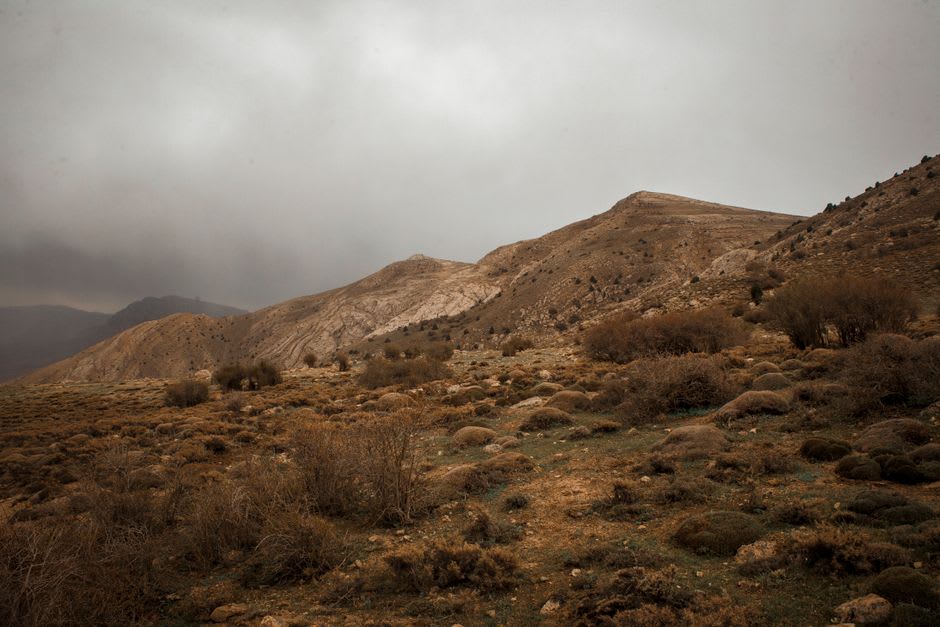
Sanandaj sits in a broad valley ringed by the western Zagros, and it feels immediately distinct from the Persian-speaking cities I’d passed through. Shop signs mix Farsi and Kurdish. The rhythms coming out of teahouses near the old bazaar use a scale my ear kept losing — quarter-tones that Persian classical music doesn’t touch. I asked a music shop owner on Ferdowsi Street about it, and he pulled out a tanbur, a long-necked lute central to Kurdish devotional music, and played for twenty minutes without being asked twice.
Embroidery That Takes Months
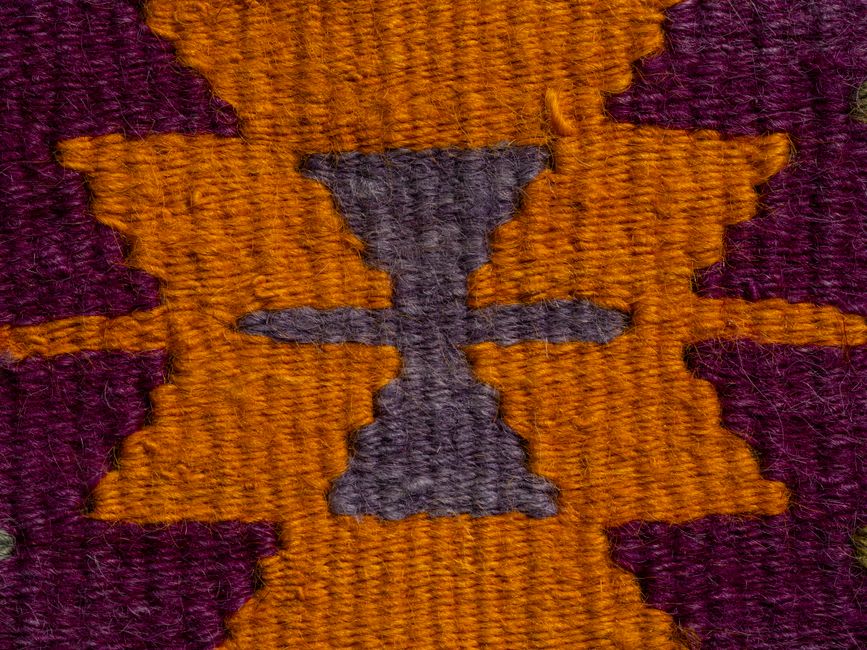
The Kurdish women’s clothing sold in Sanandaj’s covered bazaar is unlike anything else I saw in Iran — dense, sequined embroidery in saturated reds, golds, and purples, each dress requiring, according to one shopkeeper, up to three months of hand labor. Lia bought a length of the fabric rather than a finished dress, unsure how she’d ever wear it in Mexico, and I understand the impulse completely: some textiles you buy purely to remember the hands that made them.
Khosrow Abad Mansion
The eighteenth-century Khosrow Abad mansion, with its symmetrical courtyard and carved wooden balconies, gave me the best hour of quiet I had in the whole region. A handful of local families were having a picnic in the garden, kids running loops around the reflecting pool, grandparents shouting instructions that nobody followed. It felt less like a monument and more like a park that happened to be four hundred years old.
When to go: May and June bring wildflowers to the surrounding hills without the harsh summer heat. September is also excellent, with Kurdish Newroz-adjacent festivities easing into a quieter, cooler season. Winters get genuinely cold here — pack accordingly if you come between December and February.
Keep exploring
More from Iran
 iran
iran Sarein
A small hot spring town in the foothills below Mount Sabalan, where Iranian families come by the busload for mineral baths and we came for one very good, very ordinary weekend of doing absolutely nothing.
Explore iran
iran Sari
The provincial capital of Mazandaran, an under-visited base for the Caspian coast with a lively fruit-and-rice bazaar, a forest park at its edge, and none of the tourist infrastructure of Rasht.
Explore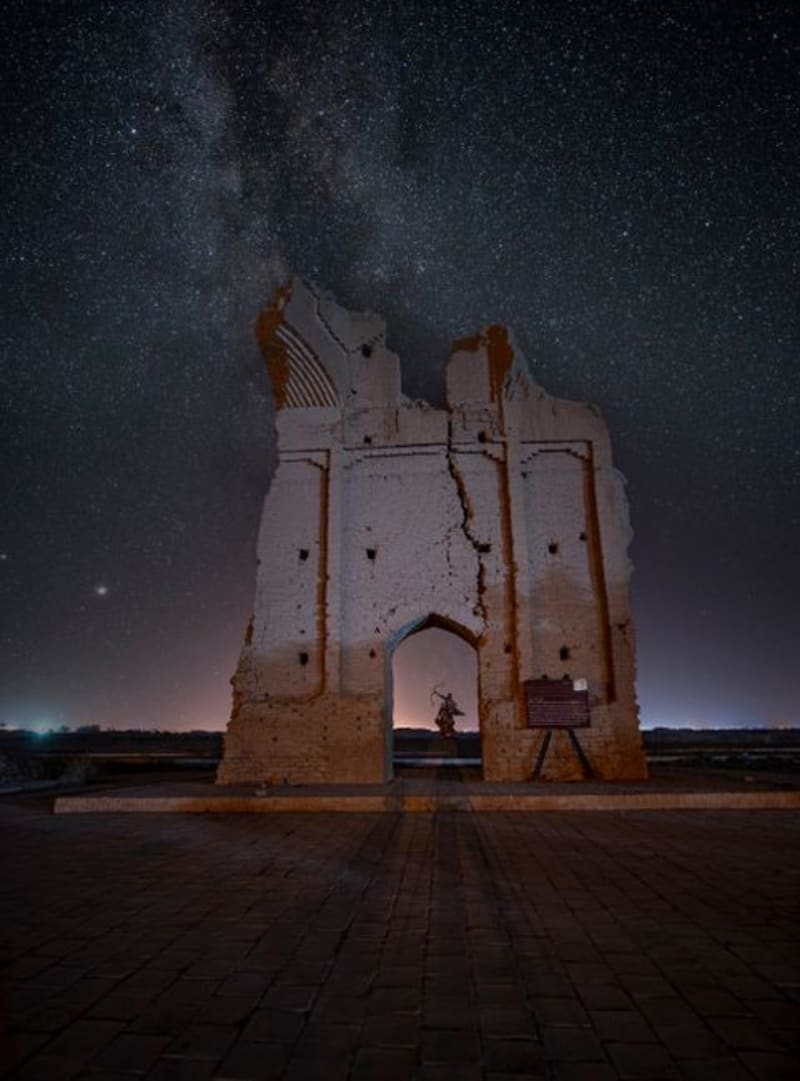 iran
iran Sar Yazd Castle
A fortified desert bank where villagers once locked their grain, gold, and daughters' dowries behind a single guarded door and a hidden qanat.
Explore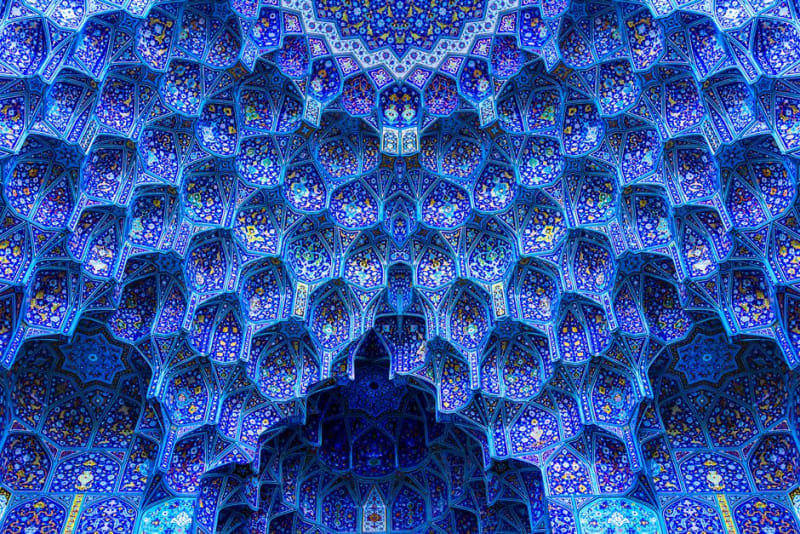 iran
iran Shah-e Cheragh
A mausoleum lined floor to ceiling in cut mirror glass — the single most disorienting interior I've stood inside anywhere.
Explore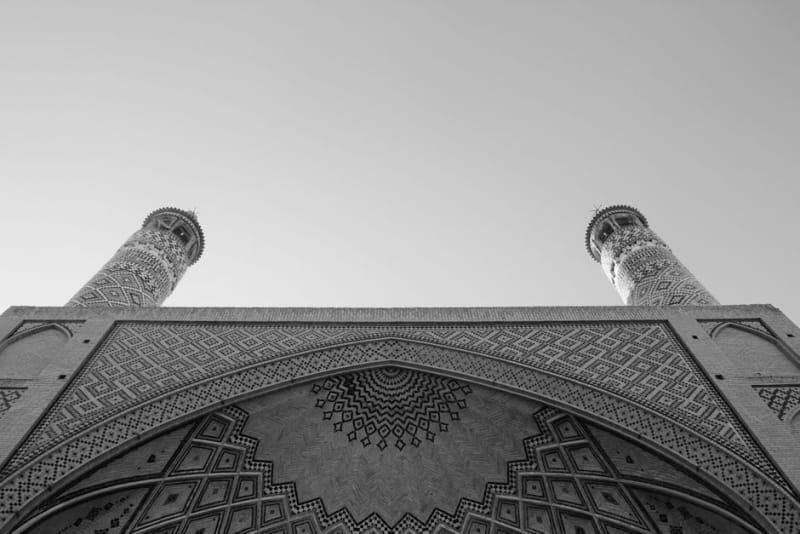 iran
iran Monar Jonban, the Shaking Minarets
A fourteenth-century mausoleum on the edge of Isfahan where one minaret, gently rocked by hand, makes its twin sway in sympathy across a twenty-meter gap.
Explore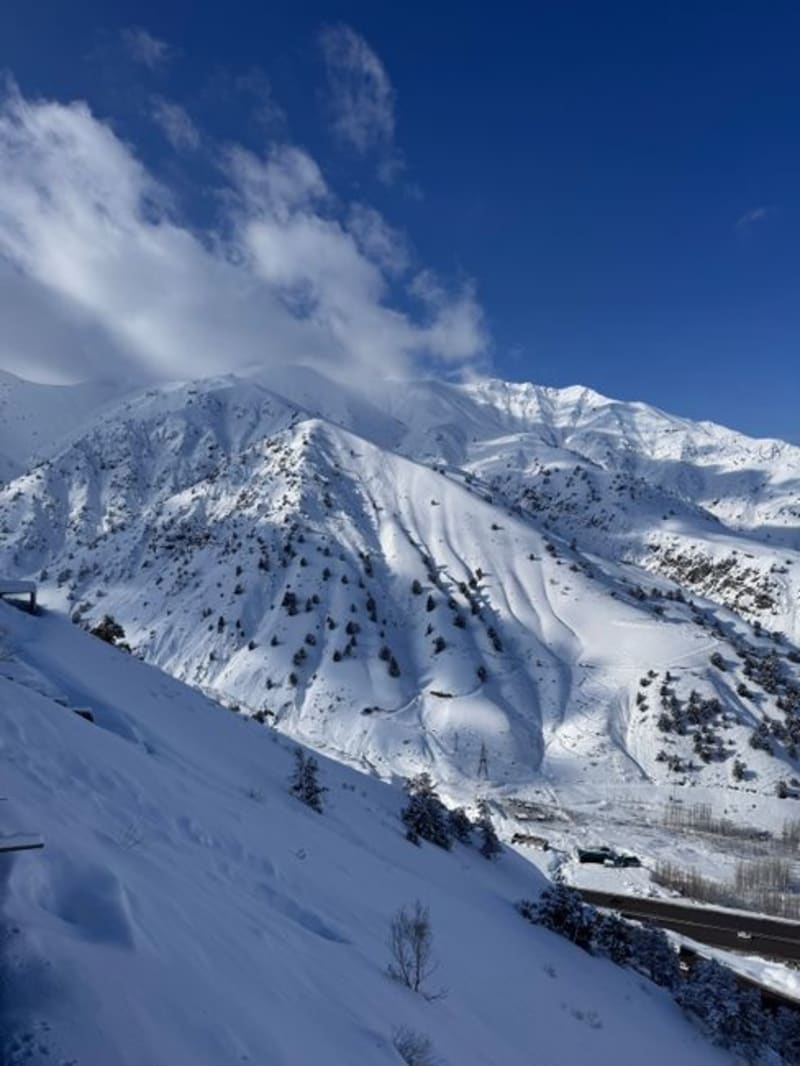 iran
iran Shemshak
A ski town ninety minutes from Tehran with steep, ungroomed terrain that draws serious skiers and a surprisingly relaxed après scene, out of sight of the capital's usual rules.
Explore