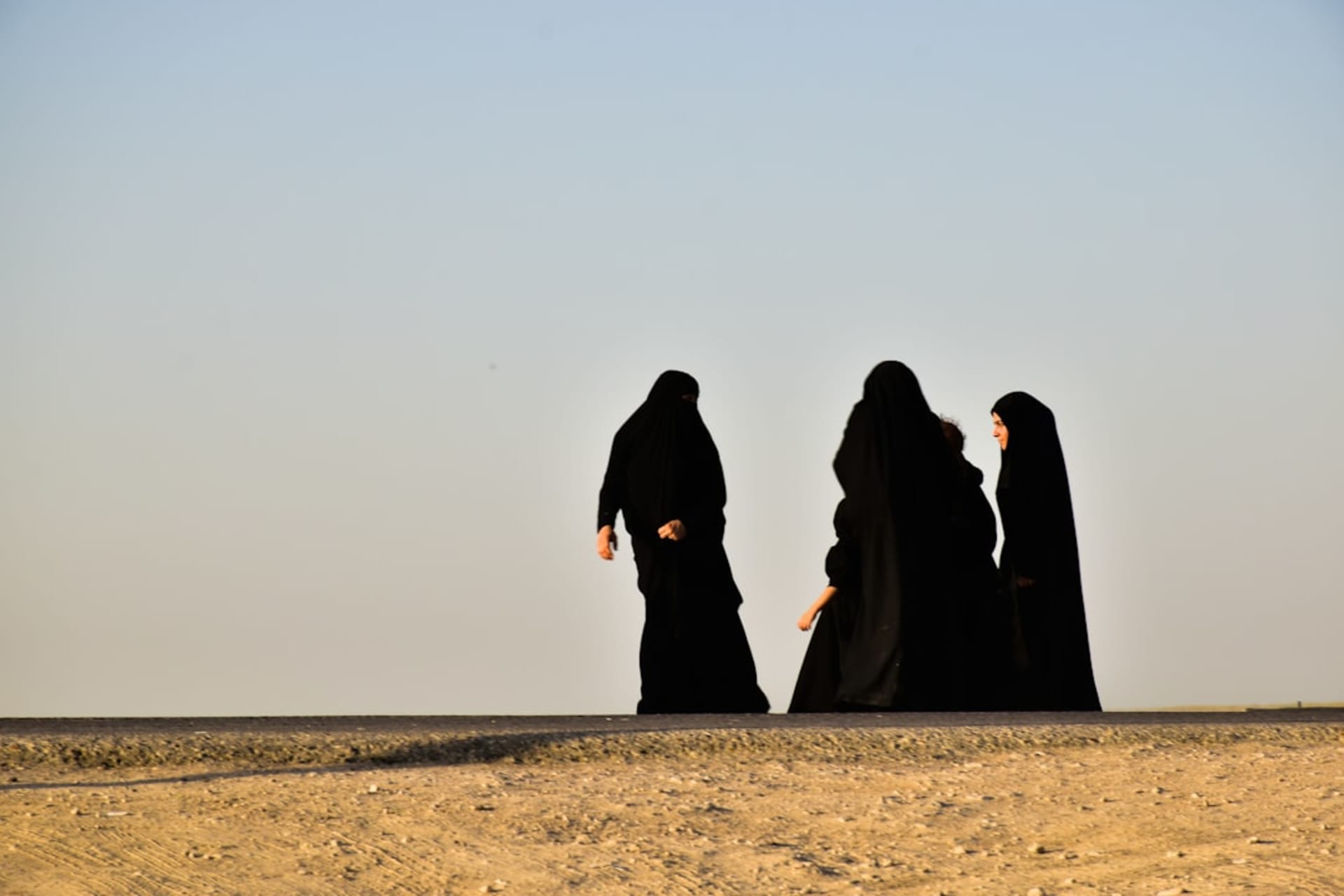
Rig-e Yazd Desert
"Forty minutes from a UNESCO old town, and suddenly nothing but sand to the horizon."
Sand dunes rising directly out of the Yazd plateau, close enough for a sunset trip and empty enough to feel like the edge of the map.
I hadn’t expected proper sand dunes this close to Yazd. The city itself sits on a stony, scrubby plateau, and I assumed anything resembling classic Saharan-style dunes would require a much longer drive south toward the Dasht-e Lut. Instead, our driver turned off the highway less than an hour outside the city, and within minutes the ground turned to soft golden sand rising in genuine wind-carved ridges, the kind that shift shape season to season.
Climbing the Ridgeline
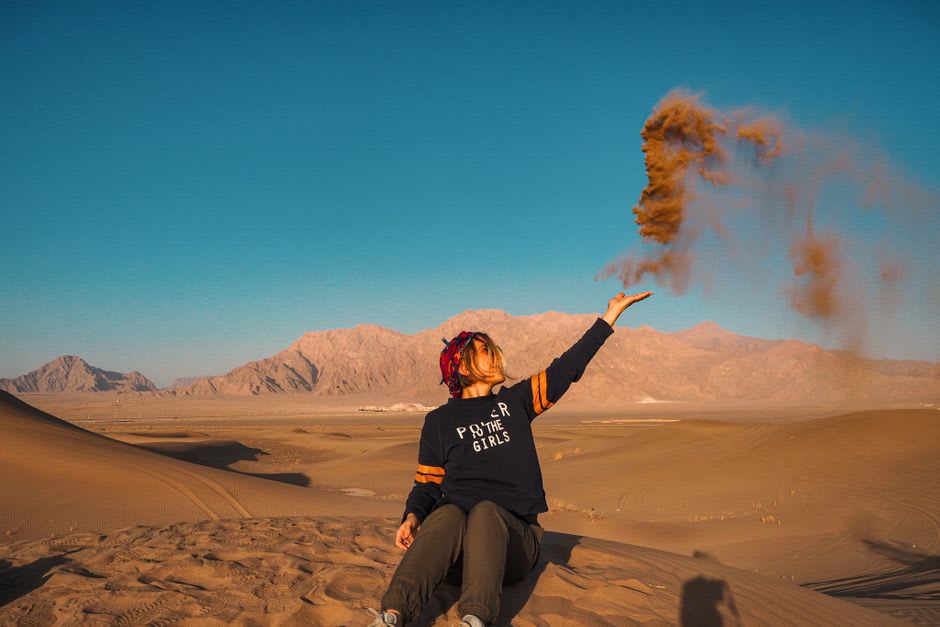
The dunes at Rig-e Yazd aren’t enormous compared to the Lut’s record-setting formations further south, but they’re substantial enough to climb properly, and the sand is fine and pale gold rather than the darker, more mineral tones found deeper in the desert. I took my shoes off almost immediately — a mistake I repeated on every dune visit afterward, since the surface heat by midday is genuinely painful, but at sunset it had cooled enough to walk barefoot along the ridgeline in comfort. The wind had carved sharp, clean edges into the crest lines, and every ten meters or so the pattern reset into something slightly different.
Waiting for the Light to Turn
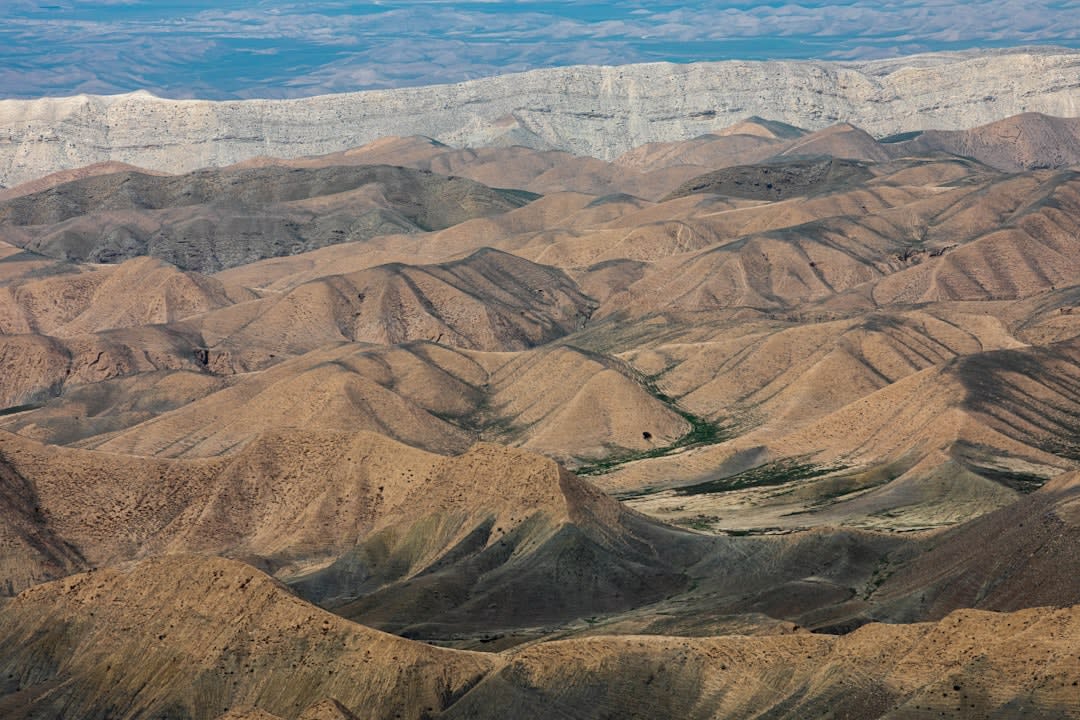
Sunset is the entire reason to make this trip, and I understood why within about ten minutes of arriving. As the sun drops, the dune ridges throw long, precise shadows across each other, and the sand shifts from pale gold to a deep orange-red that looks almost artificially saturated in photographs but is entirely accurate to what I saw with my own eyes. A few other small groups had made the same trip, mostly Iranian families with a thermos of tea and blankets spread on the sand, and everyone seemed to fall quiet at roughly the same moment as the color peaked.
A Manageable Taste of the Great Deserts
Iran’s two great deserts, the Dasht-e Kavir and the Dasht-e Lut, are both serious multi-day expeditions requiring proper planning and, in the Lut’s case, some of the hottest recorded surface temperatures on Earth. Rig-e Yazd offers something different: an accessible, low-commitment taste of the same landscape, doable as a half-day trip from the city with no special gear beyond a scarf for blowing sand and a bit of water. It won’t replace an expedition into the Lut for anyone chasing genuine desert extremity, but for the rest of us, it delivers the sensation — silence, scale, and that particular desert light — without the logistics.
When to go: Arrive ninety minutes before sunset and stay until the color fully fades. Spring and autumn evenings are comfortable; summer days are dangerously hot even this close to the ridge’s edge, so stick to late afternoon only.
Keep exploring
More from Iran
 iran
iran Sa'dabad Palace Complex
A wooded royal estate of eighteen separate palaces in the Alborz foothills, where two Pahlavi shahs lived a century apart from the Qajars and revealed their taste in miniature.
Explore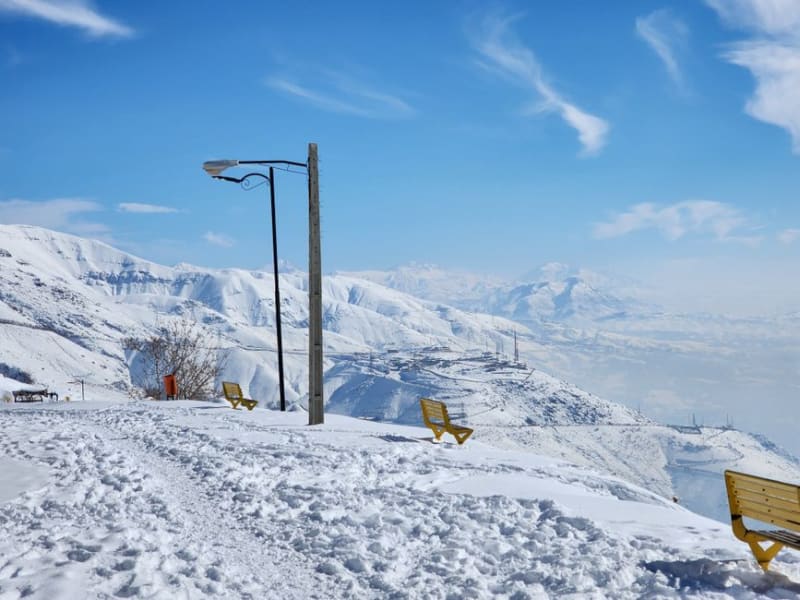 iran
iran Sanandaj
The unofficial capital of Iranian Kurdistan, where a language survives in music, embroidery, and defiance.
Explore iran
iran Sarein
A small hot spring town in the foothills below Mount Sabalan, where Iranian families come by the busload for mineral baths and we came for one very good, very ordinary weekend of doing absolutely nothing.
Explore iran
iran Sari
The provincial capital of Mazandaran, an under-visited base for the Caspian coast with a lively fruit-and-rice bazaar, a forest park at its edge, and none of the tourist infrastructure of Rasht.
Explore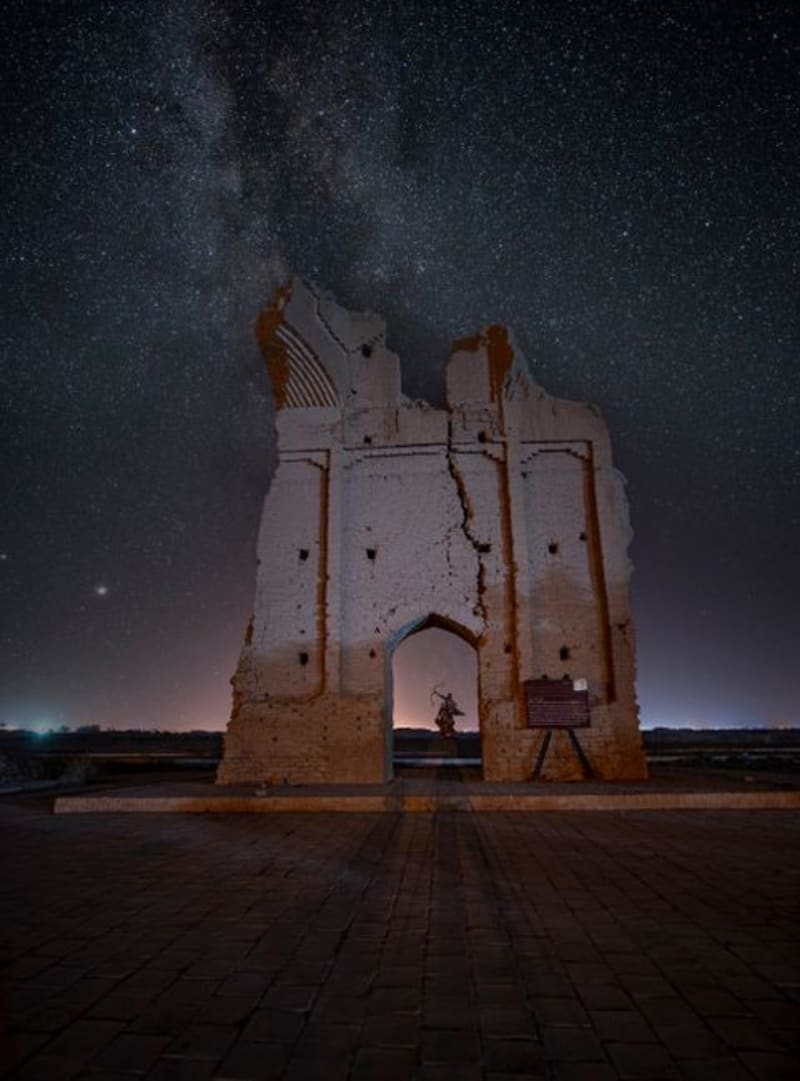 iran
iran Sar Yazd Castle
A fortified desert bank where villagers once locked their grain, gold, and daughters' dowries behind a single guarded door and a hidden qanat.
Explore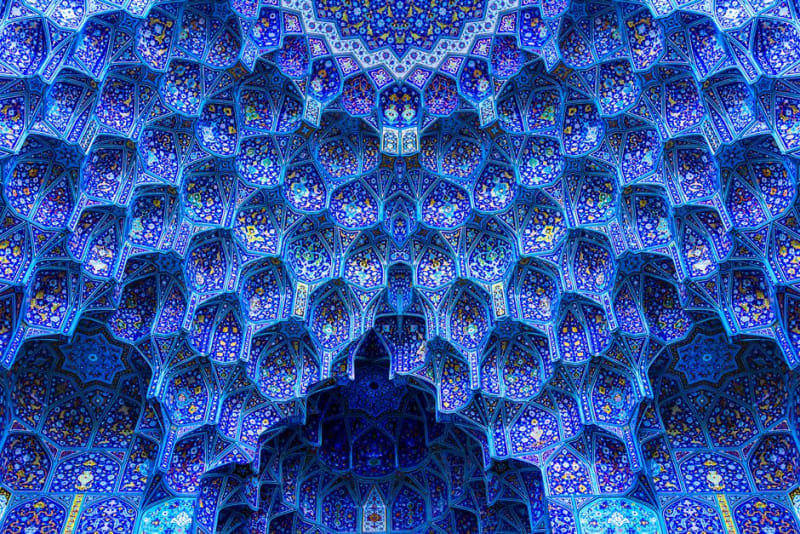 iran
iran Shah-e Cheragh
A mausoleum lined floor to ceiling in cut mirror glass — the single most disorienting interior I've stood inside anywhere.
Explore