Ramsar
"It felt like a European seaside town that had been quietly relocated to the edge of a rainforest."
A Caspian resort town backed by rainforest and cable cars, built around a 1930s palace and a stretch of black-sand beach that Iranians have been vacationing on for a century.
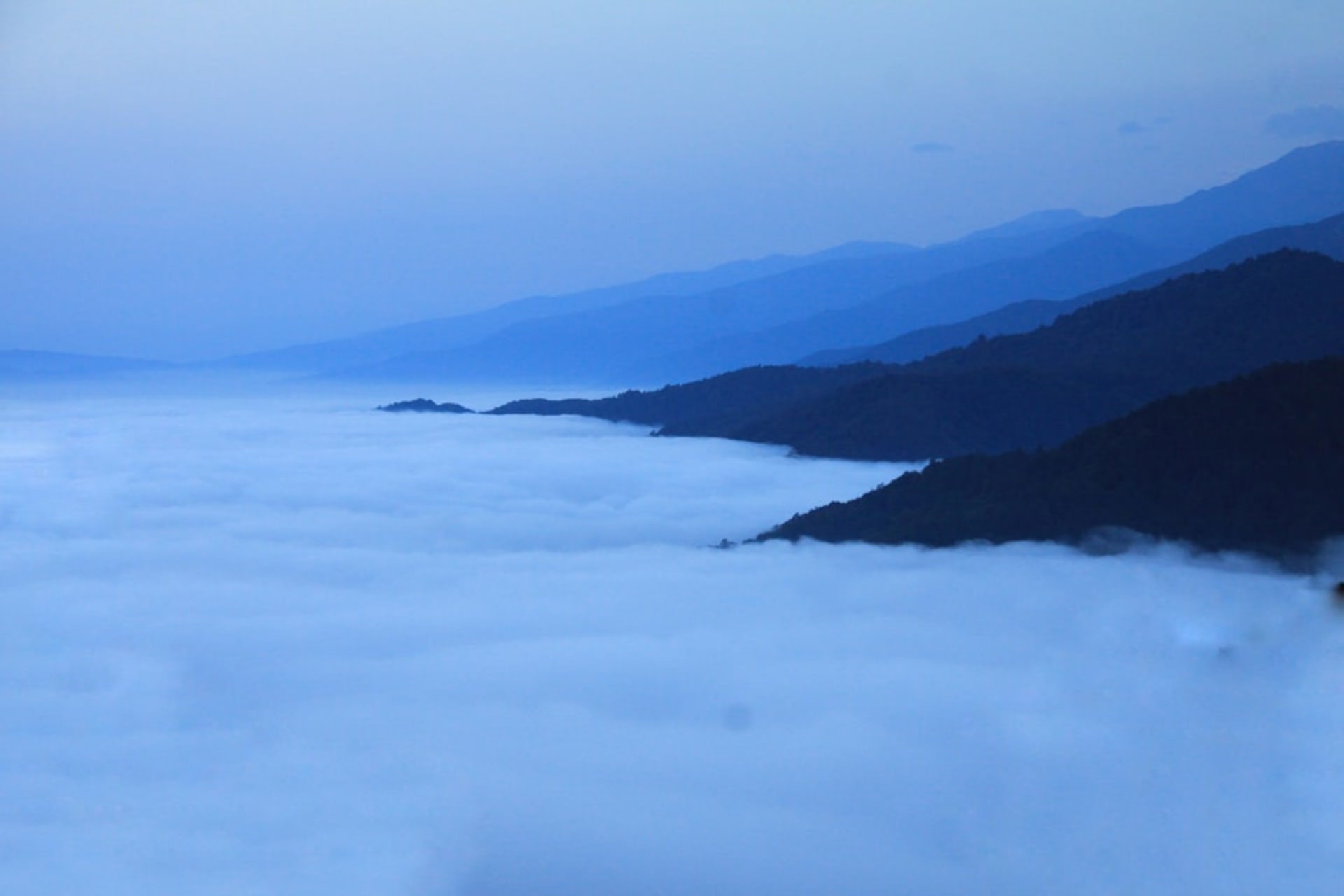
Ramsar has been Iran’s fashionable Caspian resort since the 1930s, when Reza Shah built a palace here and the town’s casino-and-promenade layout was laid down with an eye clearly borrowed from European seaside resorts. The palm-lined boulevard leading from the town center down to the water still has that slightly theatrical, out-of-place elegance — manicured gardens, ornamental fountains, a formality that feels imported rather than organic, and behind all of it, dense green Hyrcanian rainforest climbing straight up the hills like the forest is trying to reclaim the town.
The Marmar Palace
The old royal palace, all green-domed roofs and marble floors, now operates as a museum and sits at the end of the main promenade with the sea directly in front of it. I walked the palace gardens in the early evening when the light goes soft and gold over the Caspian, and it was easy to understand why this specific stretch of coast got chosen for a royal retreat: the combination of sea, mountain, and forest this close together is rare, even by Iran’s already dramatic geographic standards.
Cable Car Into the Hyrcanian Forest
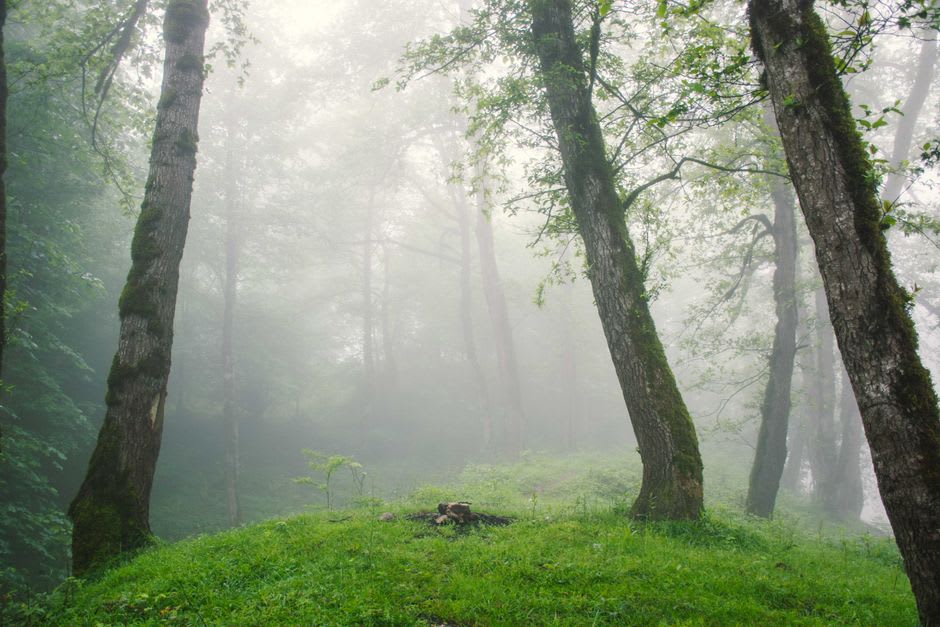
A telecabin runs from near the town center up into the forested hills above, climbing through dense Hyrcanian woodland — a forest type that has existed in roughly this form for millions of years and survived the last ice age largely intact along this stretch of the Alborz. At the top, the view opens over the entire coastline: Ramsar’s rooftops, the black-sand beach, and the Caspian stretching flat and gray-blue to the horizon. The temperature drops noticeably in the forest even in summer, and the change from beach town to cool green mountain air happens within about fifteen minutes of cable car travel.
The Beach Itself
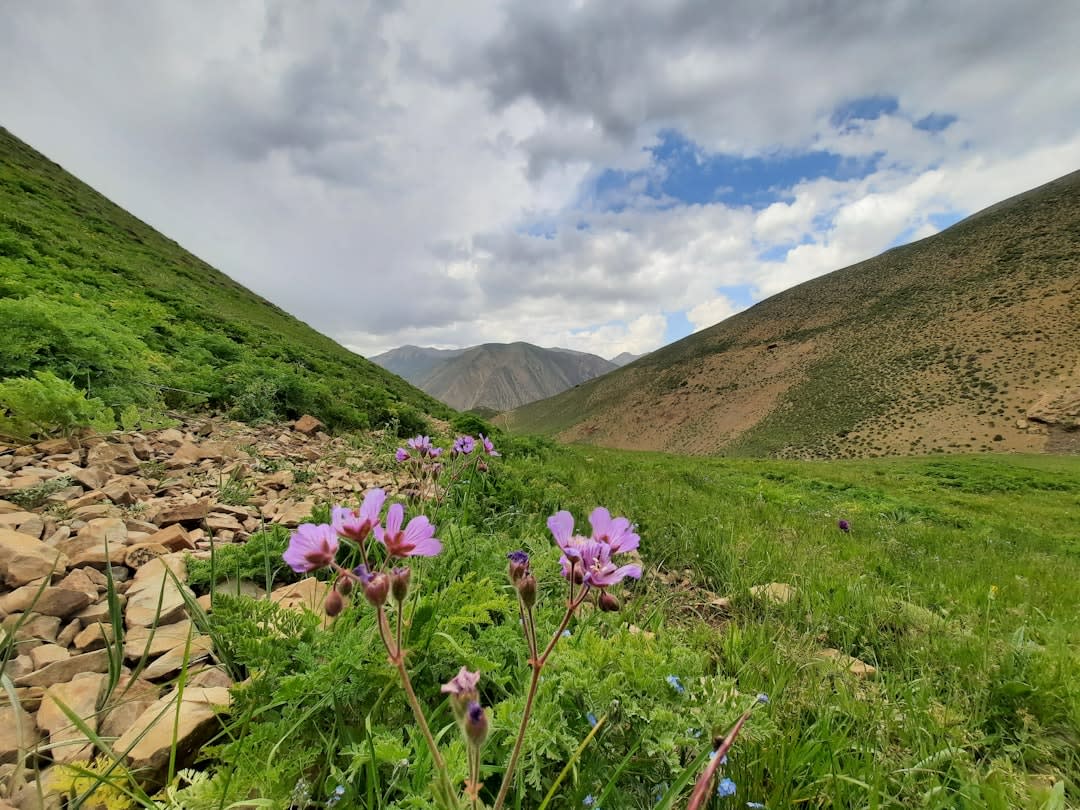
Ramsar’s beaches are black volcanic sand, gender-segregated by Iranian law like all public Caspian beaches, with separate sections and screening for women’s swimming areas. It’s not a beach destination in the tropical sense — the water is cool even in August and the sand isn’t the soft white stuff — but as a piece of social history and a genuinely pretty stretch of coastline backed by mountains, it earned its century of Iranian holidaymakers.
When to go: June through August for the full resort-town atmosphere, warm water, and the cable car at its clearest. Spring brings heavier rain but a more dramatic, mist-wrapped forest above the town if you don’t mind packing a rain jacket.