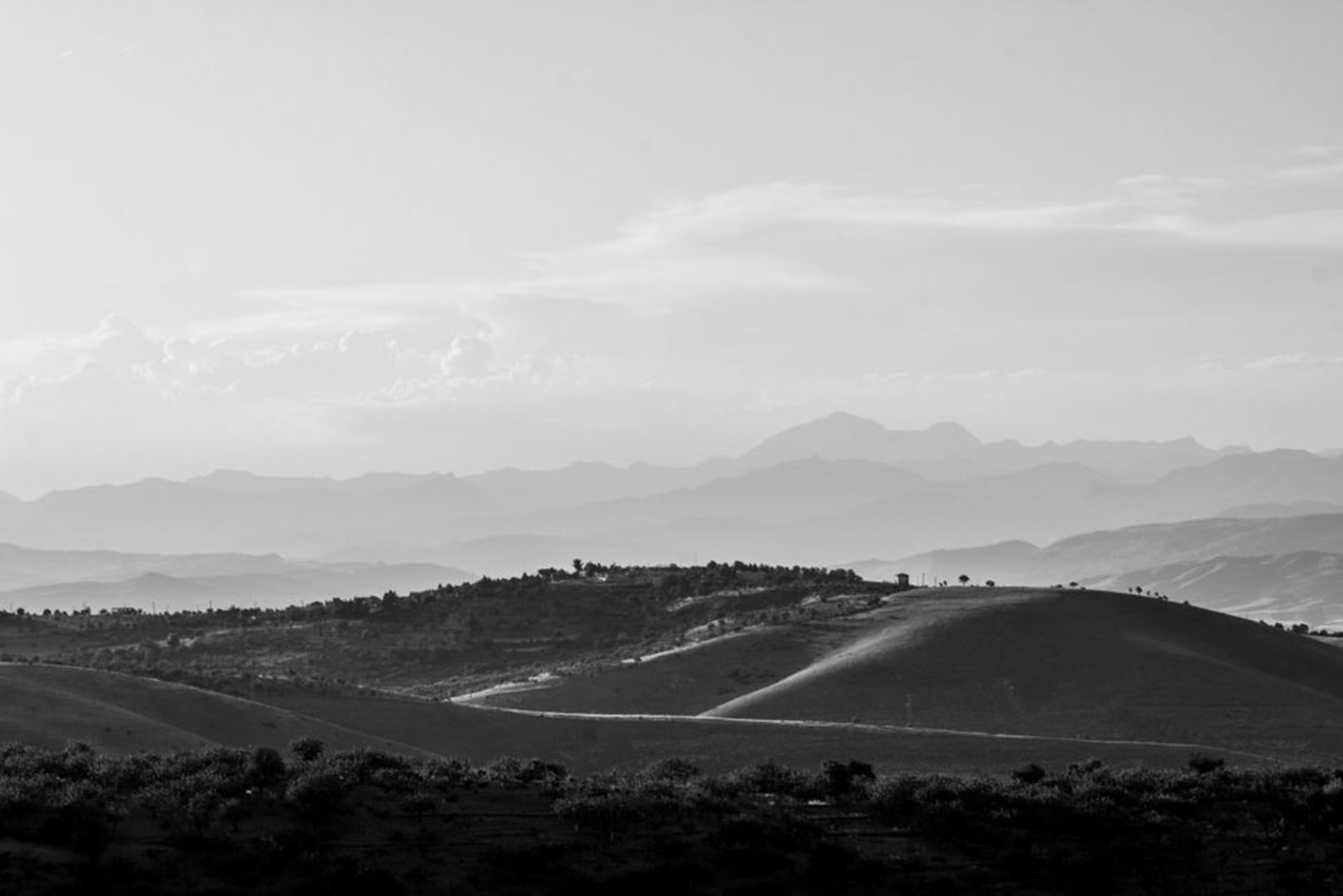
Minab
"I'd read about the Thursday market for weeks. It was still louder and more colorful than I'd pictured."
A river-delta town near Bandar Abbas famous for its Thursday market, where Bandari women in colorful masks and embroidered dress sell spices, textiles, and livestock.
Minab sits inland from Bandar Abbas along a river delta, and most of the year it’s an unremarkable agricultural town — palm groves, mango orchards, and not much reason to detour off the main road. Every Thursday, that changes completely. Farmers, herders, and traders from villages across the region converge on Minab’s central market grounds for one of the most authentic, least touristed weekly markets left in southern Iran.
The Thursday Market
We arrived just after seven in the morning and the market was already dense with people. Bandari women moved through the crowd in full traditional dress — long, brightly patterned gowns and the distinctive burqa-style face masks, gold-trimmed and stiff, that mark this region’s culture apart from the rest of Iran. Stalls sold everything: mountains of loose spices in reds and yellows, hand-embroidered fabric, plastic housewares, dates by the sack, and, toward the market’s edge, a livestock section where goats and a few camels changed hands amid a lot of shouting and theatrical haggling. Almost nobody there was selling to tourists; we were simply two more bodies moving through a market built entirely for local life.
Palm Groves and the River
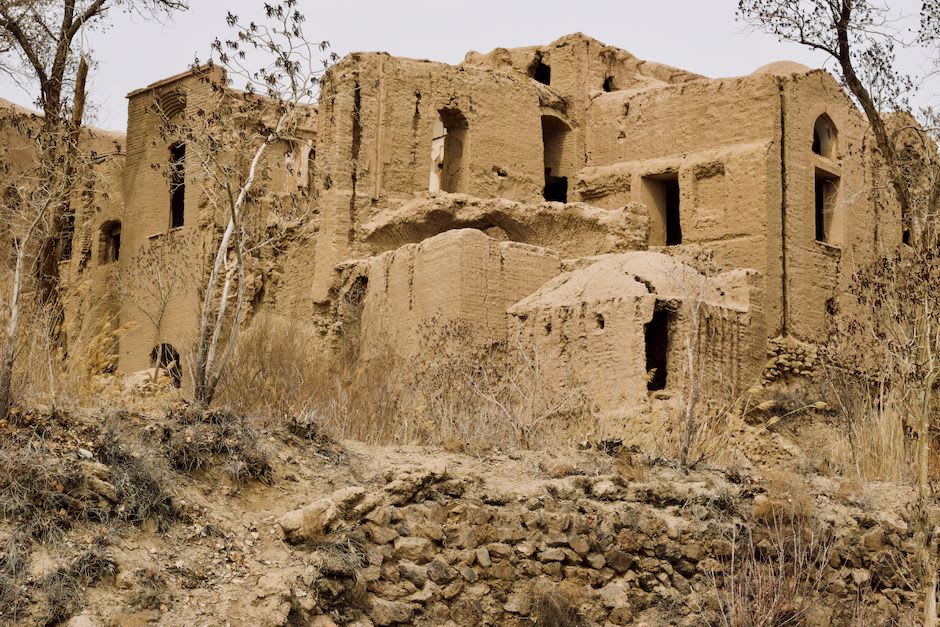
Away from market day, Minab’s setting is genuinely pretty — a river delta lined with date palm groves, irrigation channels cutting through fields, and a slower rhythm than the port towns nearby. We rented bicycles from a small shop near our guesthouse and rode out along the river in the late afternoon, past farmers hauling in mango harvests and kids fishing off small footbridges, the light going soft and gold over the palms.
Handicrafts Worth the Detour
Minab and the surrounding villages are known for a specific style of colorful, geometric embroidery used on clothing and small textiles, sold in a few shops near the market grounds at a fraction of what similar pieces cost in Tehran’s tourist bazaars. I bought a small embroidered pouch as a gift for my mother, and the woman selling it insisted on showing me, stitch by stitch, how the pattern was constructed before she’d let me pay.
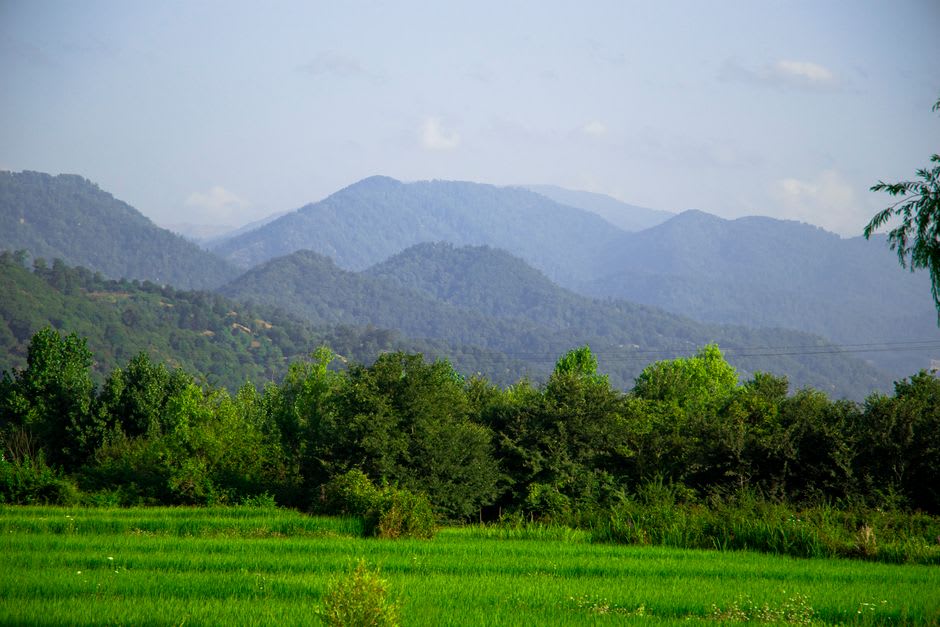
When to go: Any Thursday, year-round, though November through March keeps the outdoor market and bike rides along the river far more comfortable given the region’s brutal summer heat.