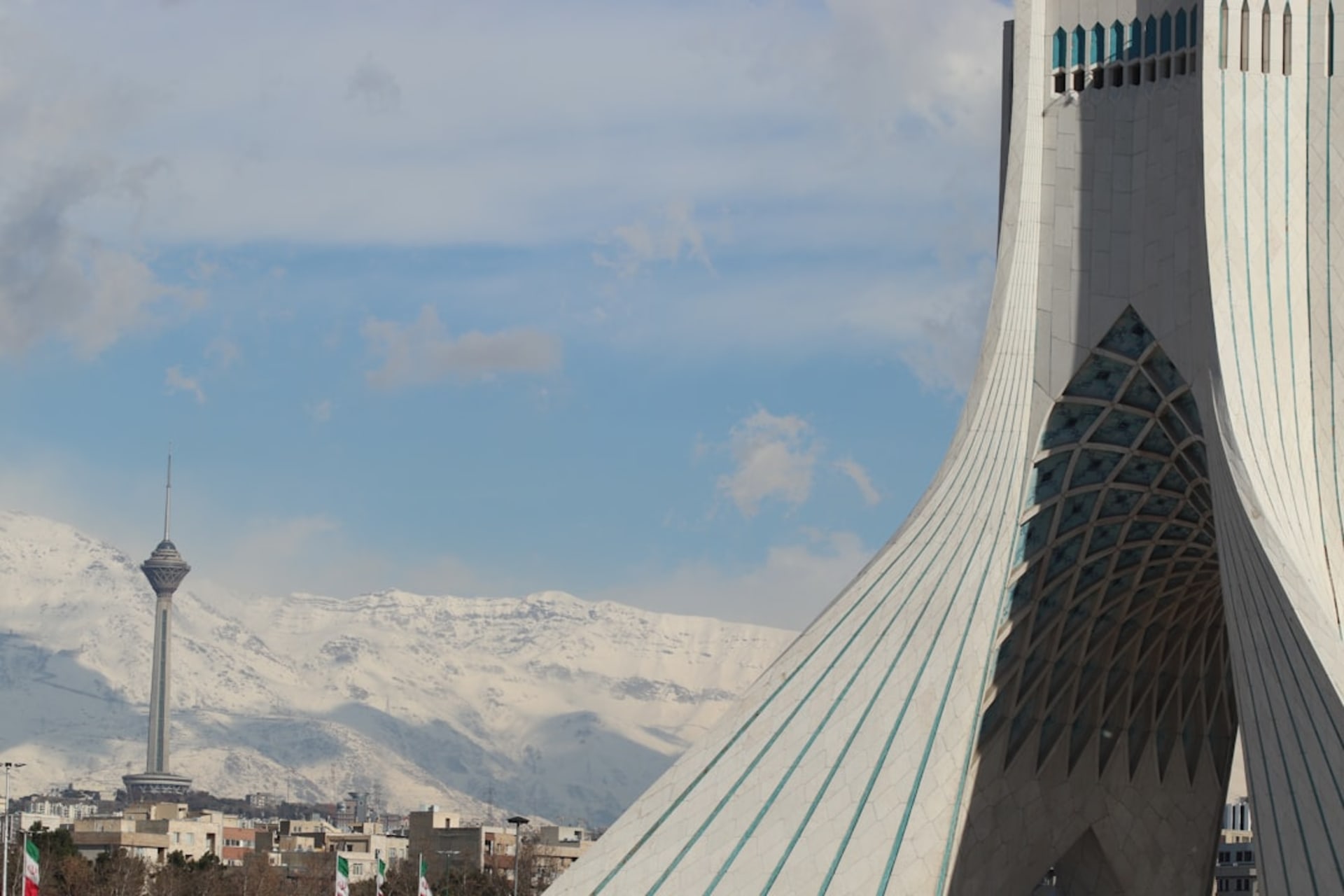
Tehran's 435-meter needle, where a revolving restaurant and an observation deck give you the one view that makes the city's scale finally make sense.
I’d spent four days walking Tehran at street level before I went up the Milad Tower, and I wish I’d done it on day one. From the ground, the city reads as an endless, slightly chaotic grid. From the observation deck at 276 meters, it resolves into something legible: the mountains pinning the north edge, the haze thickening toward the south, the whole fifteen-million-person sprawl finally admitting its own shape.
Getting Up There
The tower is the sixth tallest telecommunications tower in the world, and Tehranis are quietly proud of it in a way that surprised me — a symbol of the city built without a religious or dynastic angle attached. The elevator ride up is fast enough that your ears pop, and the deck itself is glassed in, so you get the view without the wind. I went right around sunset, when the smog that usually blurs the horizon catches gold light instead of just looking like smog.
The Revolving Restaurant
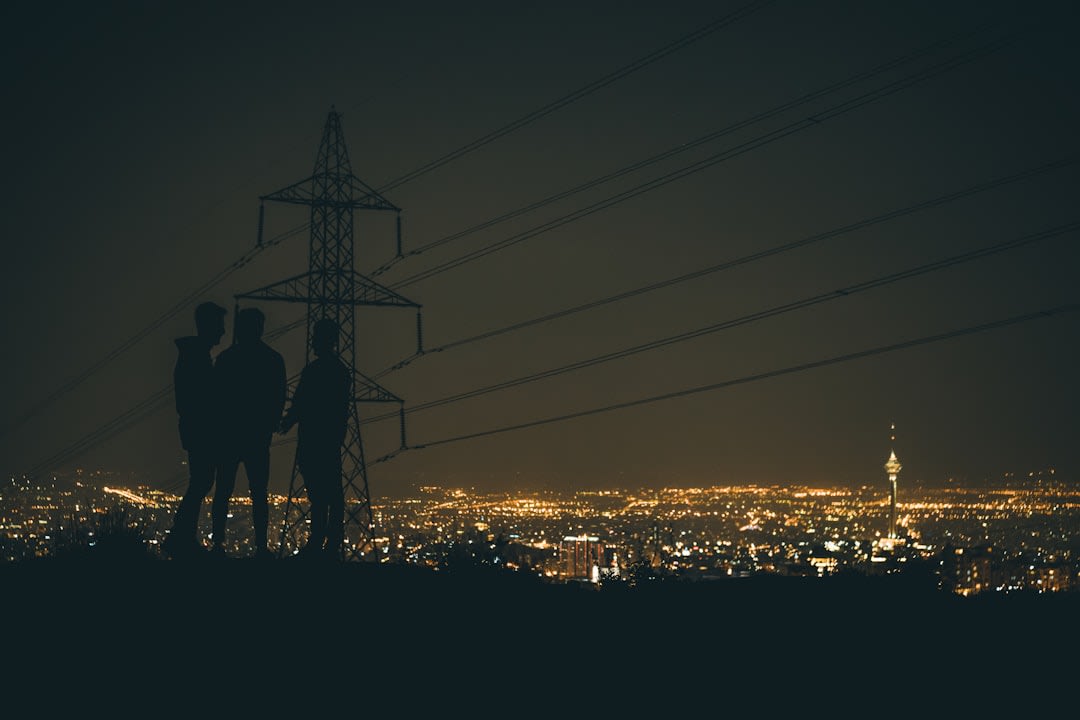
There’s a restaurant a level below the observation deck that does a full rotation over the course of a meal, which sounds gimmicky until you realize it means you get the mountains, then the city center, then the southern haze, all without standing up. The food is unremarkable — this is a view restaurant, not a destination kitchen — but Lia and I lingered over tea for an extra hour just watching Tehran’s lights come on in sections, neighborhood by neighborhood, like someone working through a checklist.
Around the Base
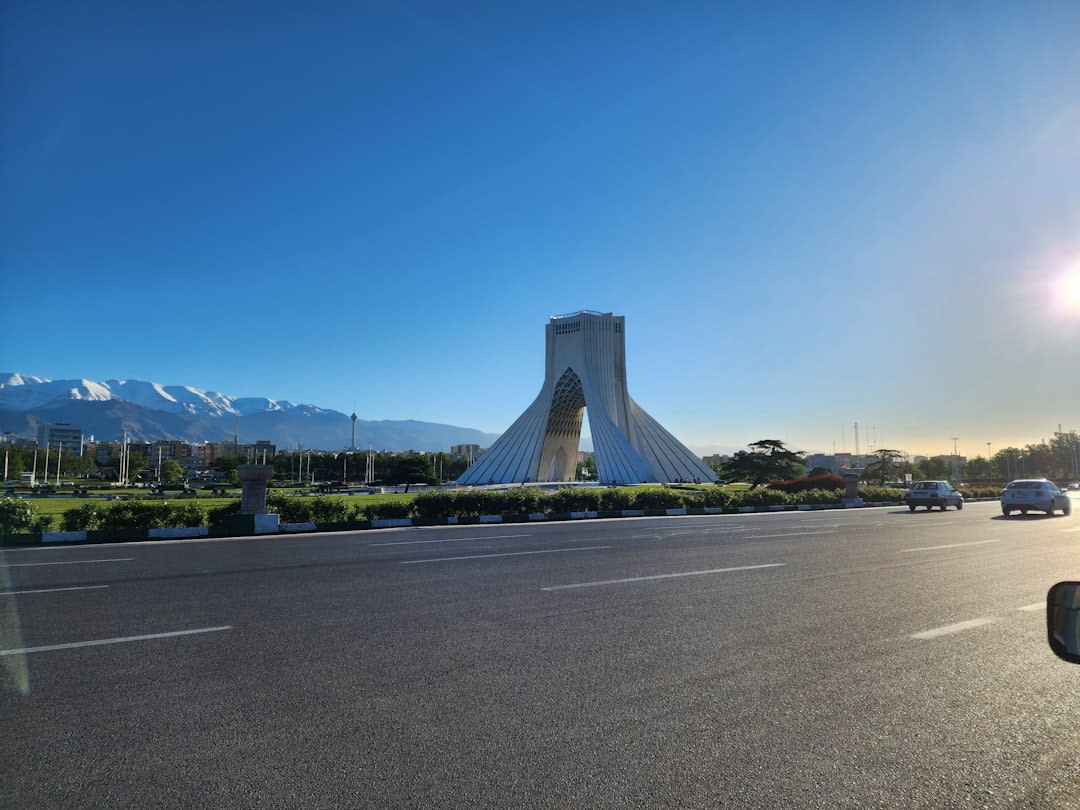
The tower sits inside the International Trade and Convention Center complex in western Tehran, which is functional rather than charming — expect convention traffic and taxi queues rather than atmosphere. Go for the view, not the surroundings, and pair it with an evening meal beforehand somewhere with actual character.
When to go: Late afternoon into sunset gives the best light and the clearest air, since Tehran’s pollution tends to settle by midday. Spring and autumn evenings offer the sharpest visibility toward the Alborz; summer haze can mute the mountain view considerably.