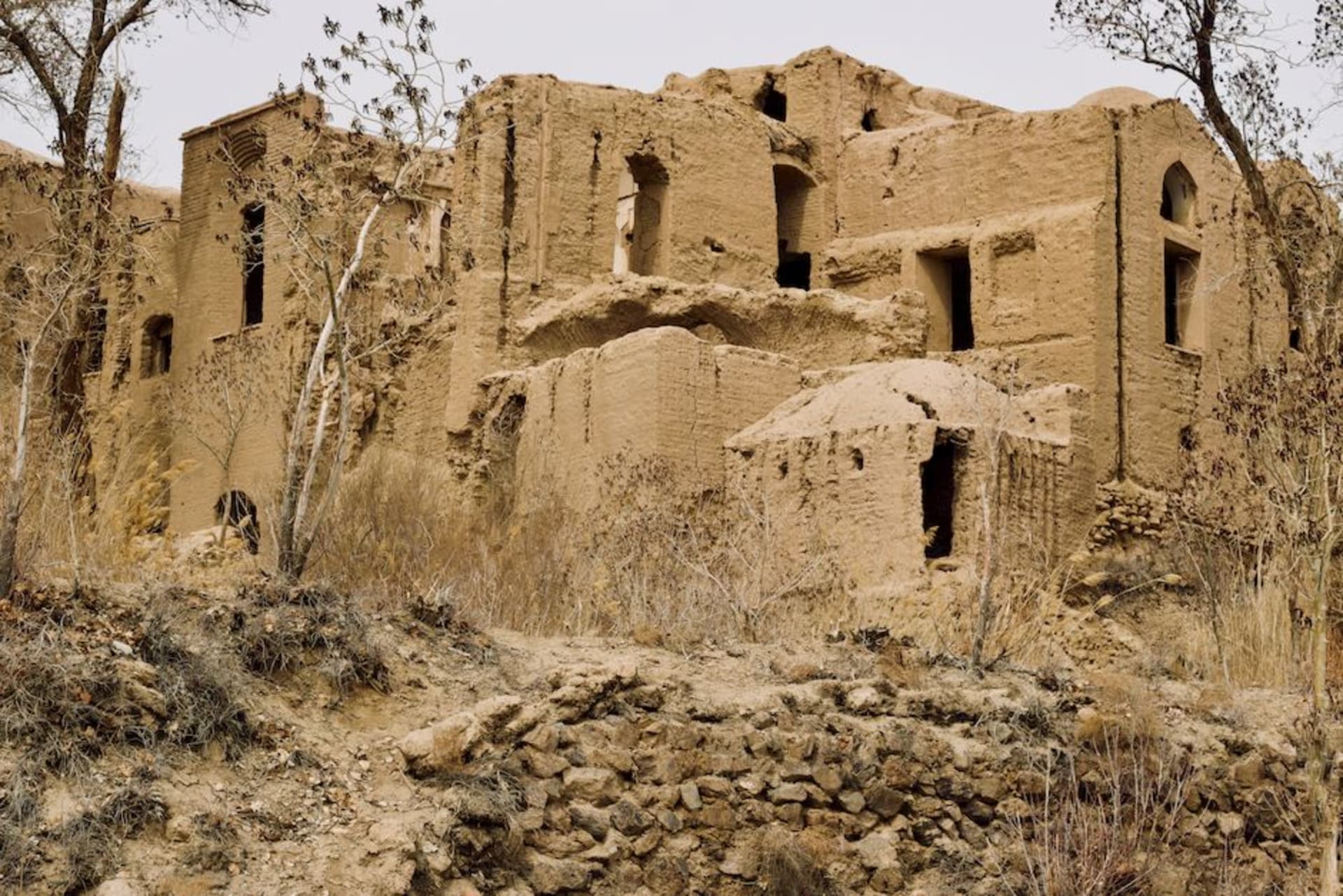
A weathered border-region town with a crumbling brick citadel, a bazaar that feels a century behind Tabriz's, and the kind of unhurried hospitality that only shows up once the tour buses stop coming.
We only stopped in Khoy because our route to Qareh Kelisa ran through it and the car needed fuel, and I ended up wishing we’d built in an extra half-day. It’s not a place that appears on many itineraries — a modest city between Tabriz and the Turkish border, historically important as a trade waypoint on the old Silk Road routes into Anatolia, now mostly overlooked by travelers moving fast toward bigger names.
The Citadel Above Town
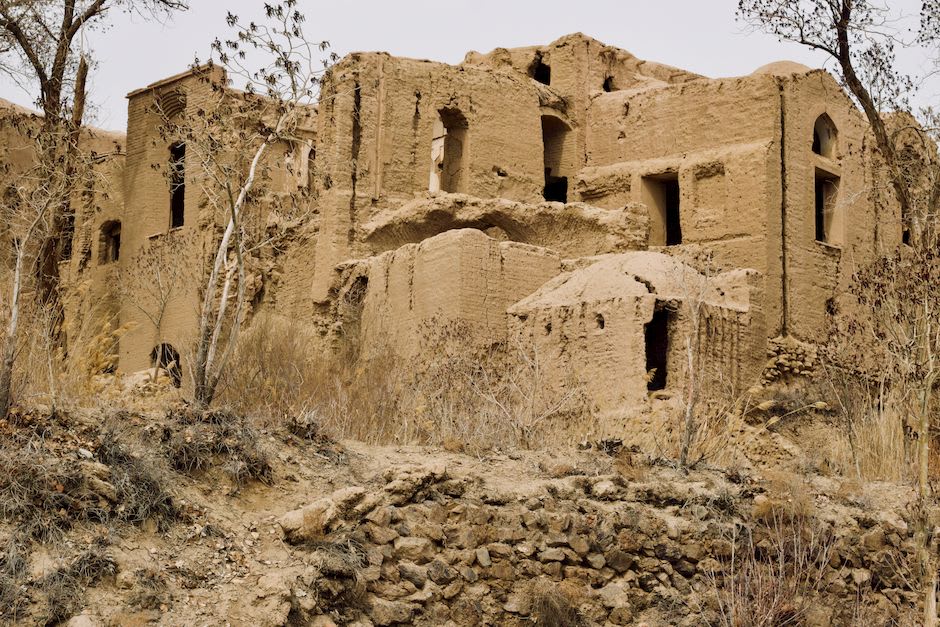
Khoy’s old citadel, built on a rocky outcrop overlooking the modern city, dates back centuries and has been rebuilt and fortified by successive rulers — Safavid, then Qajar — who all recognized the strategic value of controlling this stretch between Iran, the Ottoman frontier, and the Caucasus. What remains today is largely ruined brickwork, eroded and half-reclaimed by weeds, but climbing up as the light went gold in the late afternoon gave us a view over the entire old town’s mud-brick rooftops that felt like something out of an entirely different century.
A Bazaar Without Performance
The covered bazaar in Khoy is a fraction of the size of Tabriz’s, and that’s precisely what made it interesting to walk through — no carpet showrooms angling for tourist attention, just butchers, spice sellers, and hardware stalls doing business exactly as they would if we hadn’t wandered in. A tea seller insisted we sit for a glass on the house, then spent ten minutes trying to convince us, through his teenage nephew’s translation, that Khoy’s melons were superior to anything grown near Tabriz. I have no way to verify the claim, but the melon he cut for us afterward was genuinely excellent.
A Stone Bridge and a Border Feel
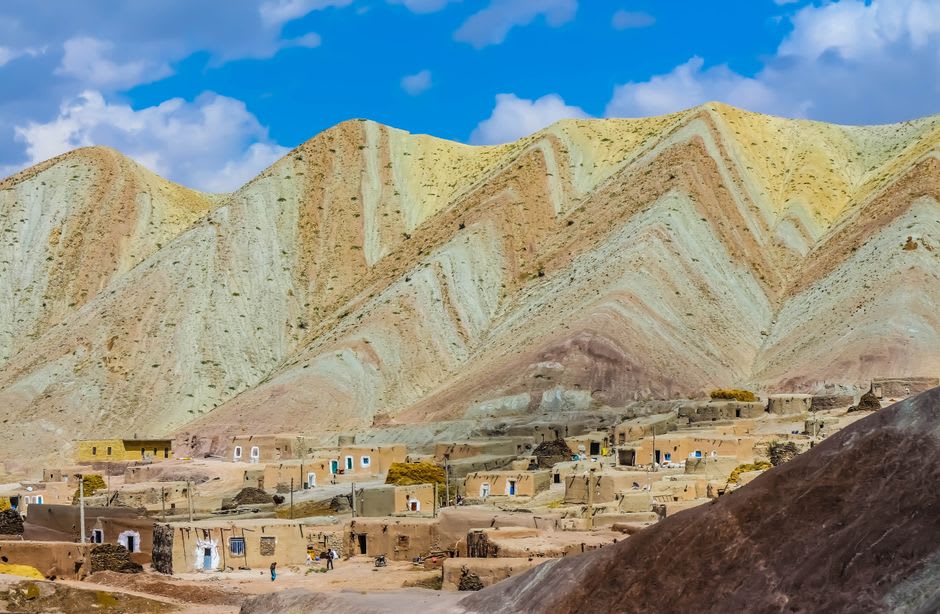
On the edge of town, an old stone bridge spans a seasonal river, its arches worn smooth by centuries of caravan traffic headed toward the Turkish frontier less than an hour further west. Standing on it, with mountains rising on the horizon in the direction of a border we wouldn’t cross, it was easy to feel how much of Khoy’s identity has always been about being a threshold rather than a destination.
When to go: April through June or September through October, avoiding the harsh winter cold this high-altitude border region gets and the heavy summer sun with little shade in the old town.