Khorramabad
"A castle on a rock, a waterfall in the middle of the city — Khorramabad doesn't do subtlety."
The Lorestan capital, where a Sassanid fortress rises from a lake island and waterfalls cut straight through the edge of town.
I’ll admit Khorramabad wasn’t on my original route — a delayed bus connection stranded me there for a night, and by morning I’d decided to stay two more. Sometimes the itinerary you didn’t plan turns out to be the better one.
A Fortress You Can See From Everywhere
Falak-ol-Aflak Castle sits on a natural rock outcrop right at the center of Khorramabad, visible from nearly every street in the old part of town. Built originally in the Sassanid era and rebuilt repeatedly since, it now houses a museum covering Lorestan’s Bakhtiari and Lur tribal cultures — nomadic textiles, weapons, and photographs of seasonal migrations that still happen today in the surrounding mountains. I climbed up at sunset, when the stone walls turn a deep gold and the whole city spreads out below in a haze of dust and evening cooking smoke.
Waterfalls Inside City Limits
What genuinely surprised me was Shahid Rajaei Park, where the Khorramabad River tumbles over a series of small waterfalls right within the city, families picnicking on the rocks with tea kettles balanced over portable gas burners. It’s an odd, wonderful thing to walk fifteen minutes from a busy avenue and find yourself standing beside falling water loud enough to drown out traffic entirely.
Bakhtiari and Lur Country
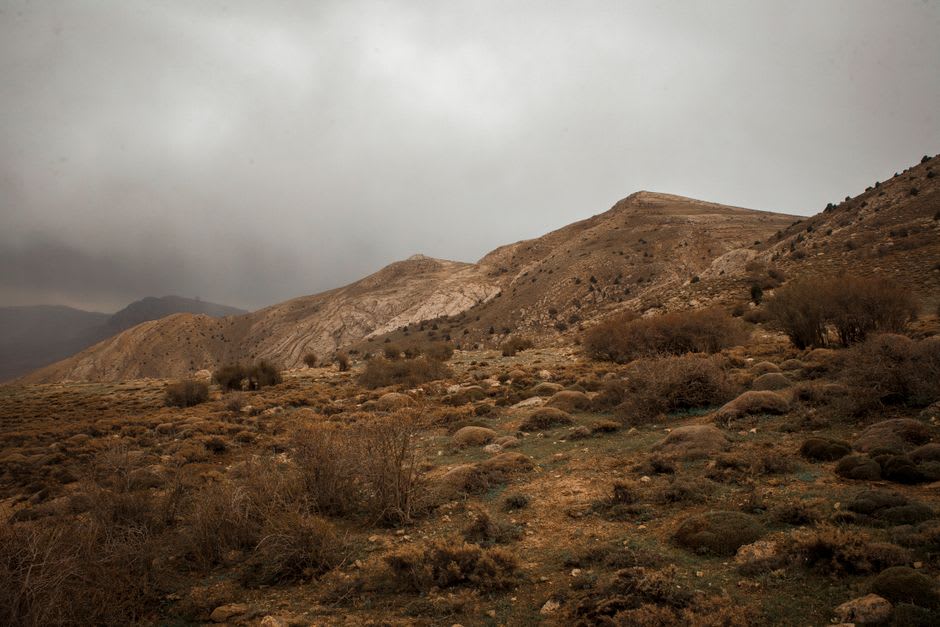
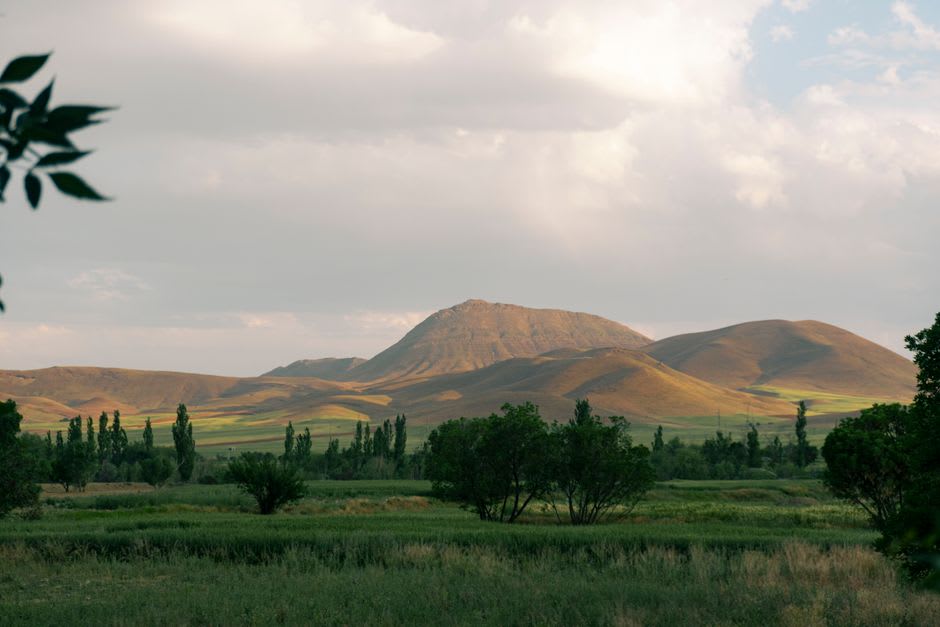
Khorramabad functions as the gateway to Lorestan’s nomadic Bakhtiari and Lur communities, some of whom still move flocks between lowland winter camps and high summer pastures each year. A shopkeeper near the castle, whose family had settled permanently only two generations back, described the migration route to me from memory as though he’d walked it himself, even though he hadn’t.
When to go: April through June for green hills and full waterfalls after snowmelt, or late September through October for milder temperatures. Summers get hot and dry in the valley, so plan around the shoulder seasons if you can.
Keep exploring
More from Iran
 iran
iran Khoy
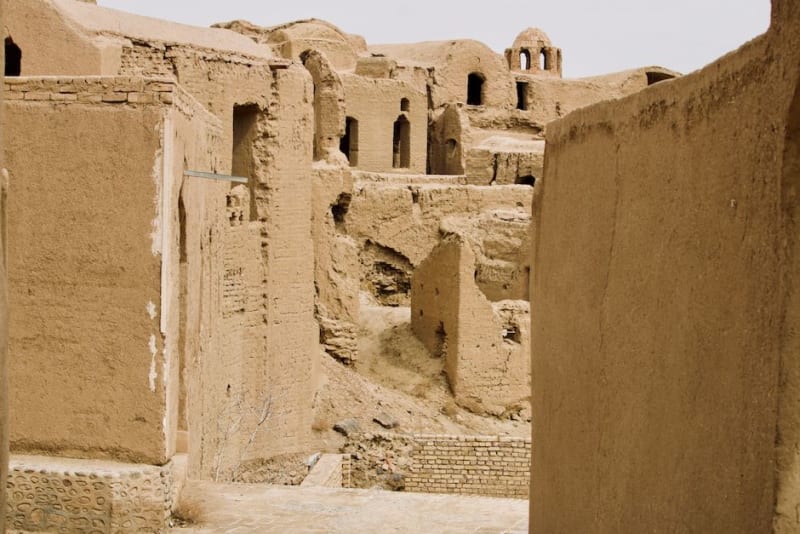
A weathered border-region town with a crumbling brick citadel, a bazaar that feels a century behind Tabriz's, and the kind of unhurried hospitality that only shows up once the tour buses stop coming.
Explore iran
iran Kish Island
Iran's duty-free resort island, where Tehranis come to relax on the beach and coral reefs sit just offshore from shopping malls.
Explore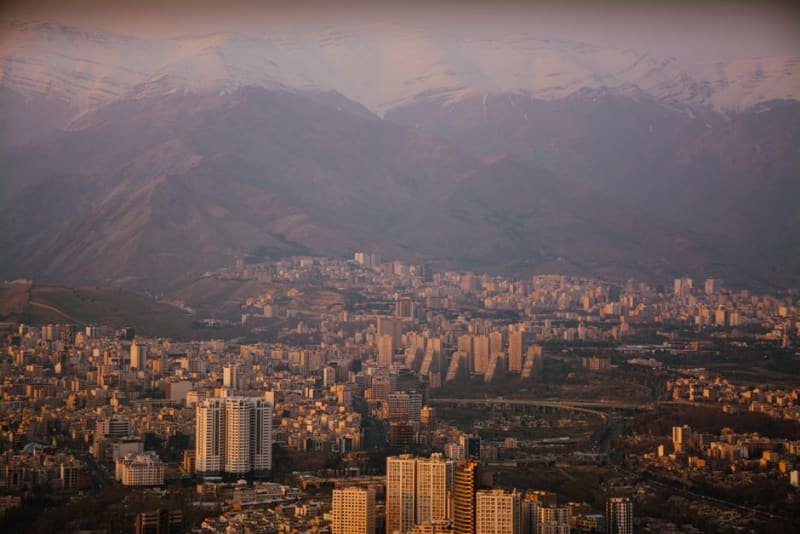 iran
iran Lahijan
Iran's tea capital, where hillsides of trimmed green tea bushes surround a lakeside town that has been growing and processing the country's entire domestic tea supply since the 1900s.
Explore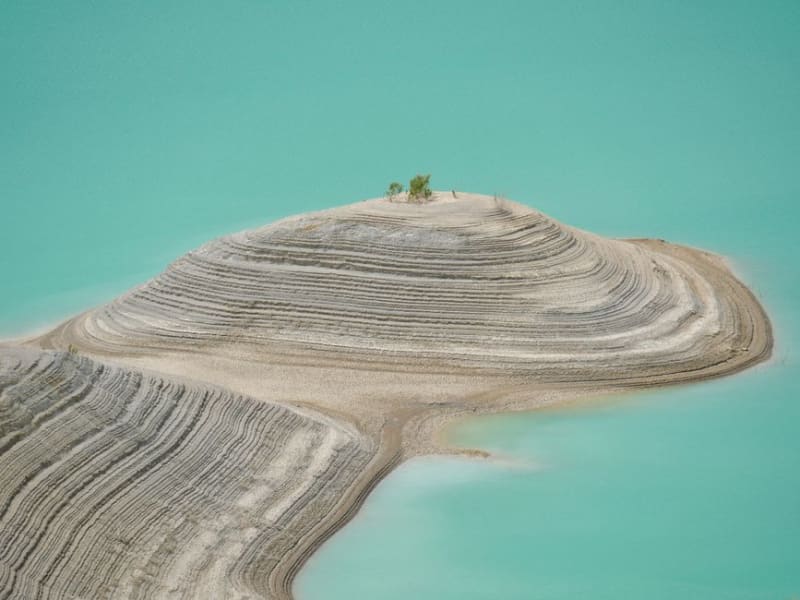 iran
iran Larak Island
A tiny, barely inhabited island in the Strait of Hormuz where fishing families outnumber visitors and cargo ships pass close enough to hear.
Explore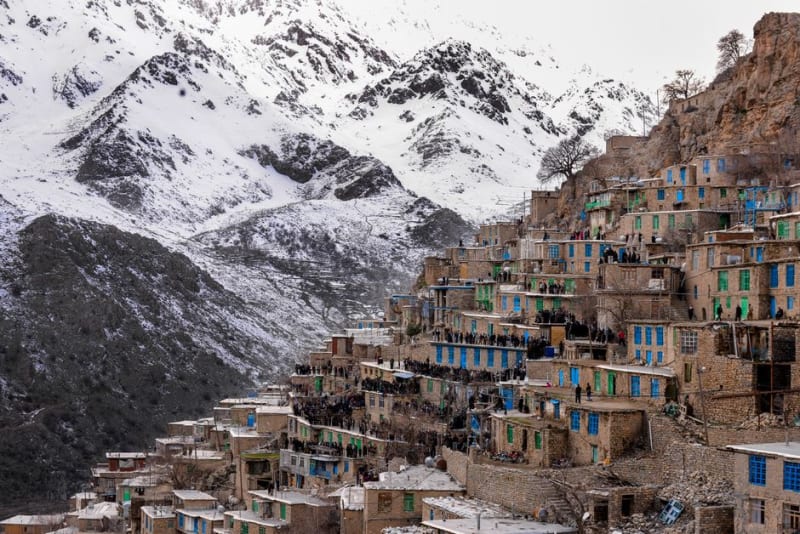 iran
iran Maku
A mountain town squeezed into a narrow gorge near the Turkish border, home to a Qajar-era palace built directly into a cliff face and some of the most dramatic scenery in all of northwestern Iran.
Explore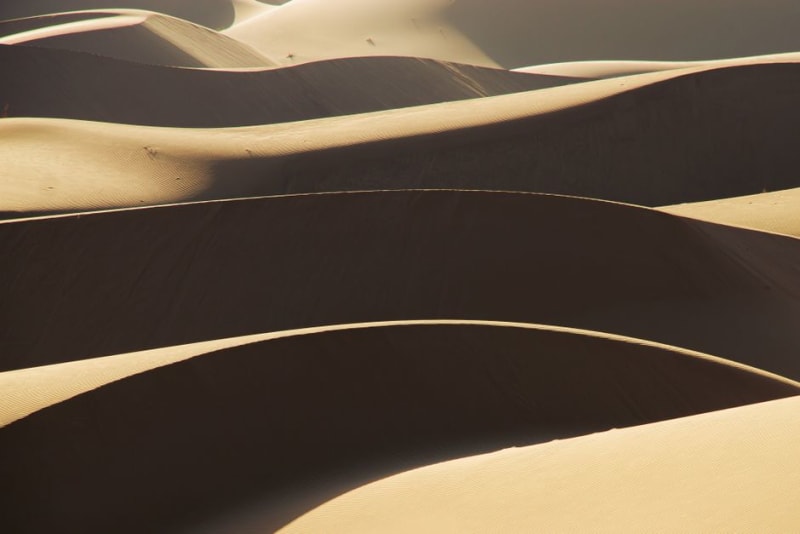 iran
iran Maranjab Desert
A Safavid-era caravanserai stranded in a sand sea, where the dunes shift color from gold to rose depending on the hour.
Explore