A cliffside inscription that taught the world to read cuneiform, carved 100 meters up a sheer Zagros rock face by order of Darius the Great.
Bisotun does not look like much from the highway. You see a limestone massif rising abruptly out of the plain east of Kermanshah, and unless you already know what’s up there, you’d drive past it without a second glance. I nearly did, until my driver pointed at a spot roughly one hundred meters up the sheer rock face and said, simply, “there.”
The Rosetta Stone of Cuneiform
What’s carved into that cliff is a monumental relief and inscription commissioned by Darius the Great around 520 BCE, recounting his rise to the Achaemenid throne in three cuneiform scripts — Old Persian, Elamite, and Babylonian. Nineteenth-century scholar Henry Rawlinson risked his neck rappelling down to copy it, and his work became the key that finally unlocked cuneiform for modern readers, much as the Rosetta Stone did for Egyptian hieroglyphs. Standing at the base and craning my neck up at it, I kept trying to imagine the logistics: scaffolding, ropes, and stonecutters working at that height with no modern safety gear, on a monument designed specifically to be nearly unreachable so it couldn’t be defaced.
Layers Older Than Darius
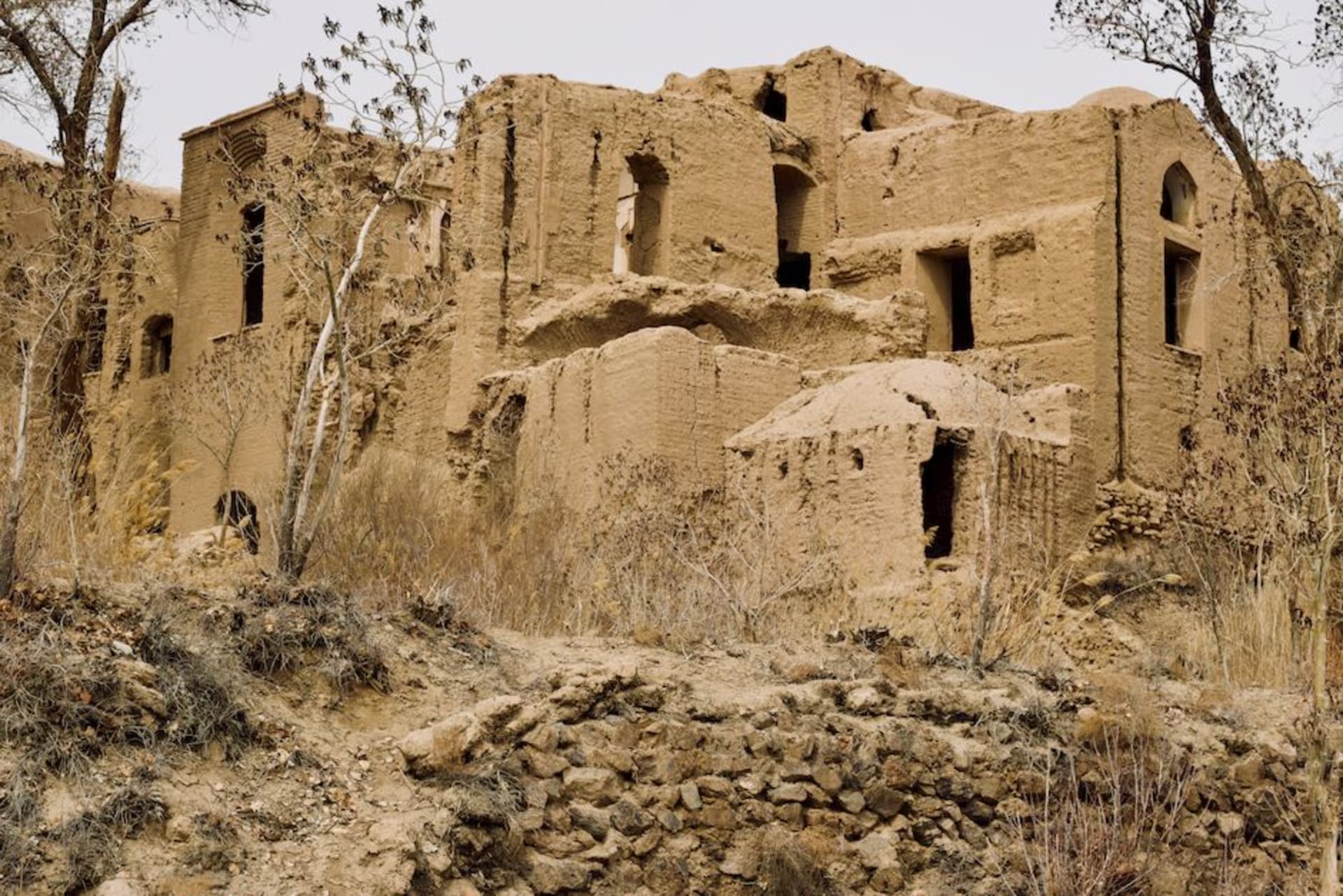
The site isn’t only Achaemenid. Walking the base of the cliff, I passed a Parthian-era stone relief, the ruins of a Sassanid bridge, and a Safavid caravanserai, each empire adding its own footnote to the same rock. A local archaeology student I fell into conversation with called Bisotun “a filing cabinet that happens to be a mountain,” which is about as precise a description as I’ve heard for any historical site in Iran.
Why It’s Quiet
Because the inscription itself is unreadable without binoculars or a zoom lens, Bisotun draws a fraction of the crowds that hit Persepolis. That worked entirely in my favor — I had the small on-site museum practically to myself, and enough silence at the cliff base to actually think about what it took to put a message that permanent that far out of reach.
When to go: April through June or September through October, when temperatures on the exposed plain stay comfortable for the short walk to the site. Bring binoculars if you want any real look at the carving itself.