Azadi Tower
"It's the one monument every Iranian, whatever they think of their government, seems to genuinely love."
The white marble arch that has watched over every major moment in modern Iranian history from the same traffic circle, and the underground museum most visitors never find.
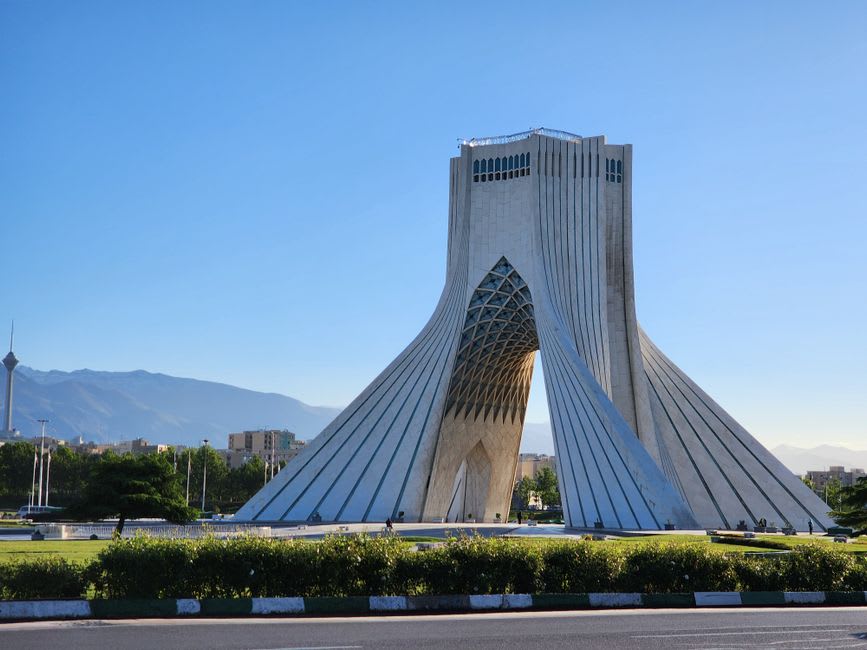
Azadi Tower sits at the western entrance to Tehran, and it’s the closest thing the city has to a single defining silhouette — the monument that appears in the background of every news broadcast about Iran, the finish line for marathons, the gathering point for both celebrations and protests. Built in 1971 for the 2,500th anniversary of the Persian Empire under the last Shah, it survived the change of government intact, which says something about how differently Iranians regard their national history versus their current politics.
The Architecture
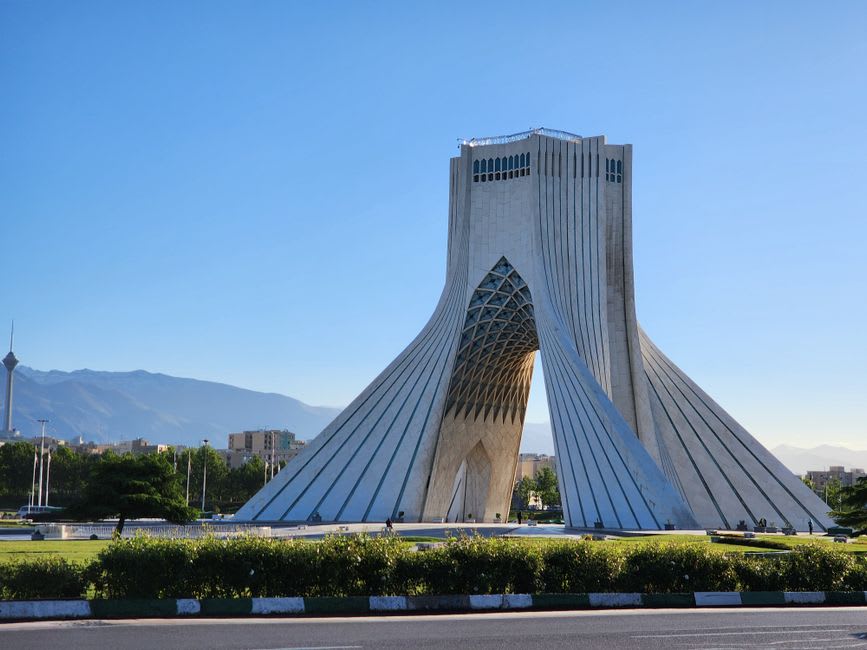
The tower’s design deliberately combines pre-Islamic Achaemenid and Sassanid forms with Islamic-era architectural elements, a Y-shaped structure in white marble that curves and arches in a way that photographs flatten but doesn’t fully capture in person. Up close, the scale is enormous — 45 meters tall, built from nearly 8,000 blocks of stone, each one cut individually because no two are the same shape. I walked a full loop around the base at sunset and kept finding new angles where the curves caught the light differently.
The Underground Museum
What most visitors miss is that the tower’s base contains a museum, reached by an elevator down into the structure’s foundations — a small but well-curated collection tracing Iranian history from the Achaemenid era through to the present. It’s cool and quiet down there, a strange contrast to the roundabout traffic circling endlessly overhead, and it gives useful context for a monument that otherwise reads as pure symbol.
The Plaza
The surrounding plaza is vast, built for exactly the kind of mass gatherings that have happened here repeatedly across five decades of Iranian history — coronations, revolution, war memorials, election disputes. Standing in the middle of that much open concrete, it’s hard not to think about everything it’s absorbed. Locals mostly use it more casually: joggers at dawn, families flying kites in the evening, teenagers on skateboards using the smooth plaza stone the way skaters use plazas everywhere.
When to go: Late afternoon into sunset for the best light on the marble. The tower and plaza are freely accessible any time, but the underground museum keeps standard daytime hours and closes on Mondays.
Keep exploring
More from Iran
 iran
iran Babak Fort
A crumbling fortress balanced on a knife-edge ridge above the Arasbaran forests, built by a ninth-century rebel leader who held off the Abbasid Caliphate here for years — and a hike that will leave your legs shaking.
Explore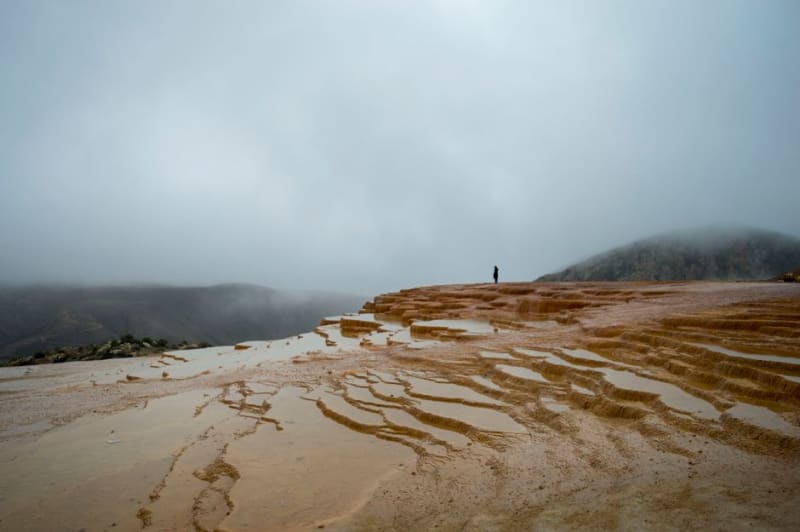 iran
iran Badab-e Surt
A staircase of orange and cream travertine terraces built by two mineral springs over thousands of years, in a remote corner of Mazandaran that most visitors to Iran never hear about.
Explore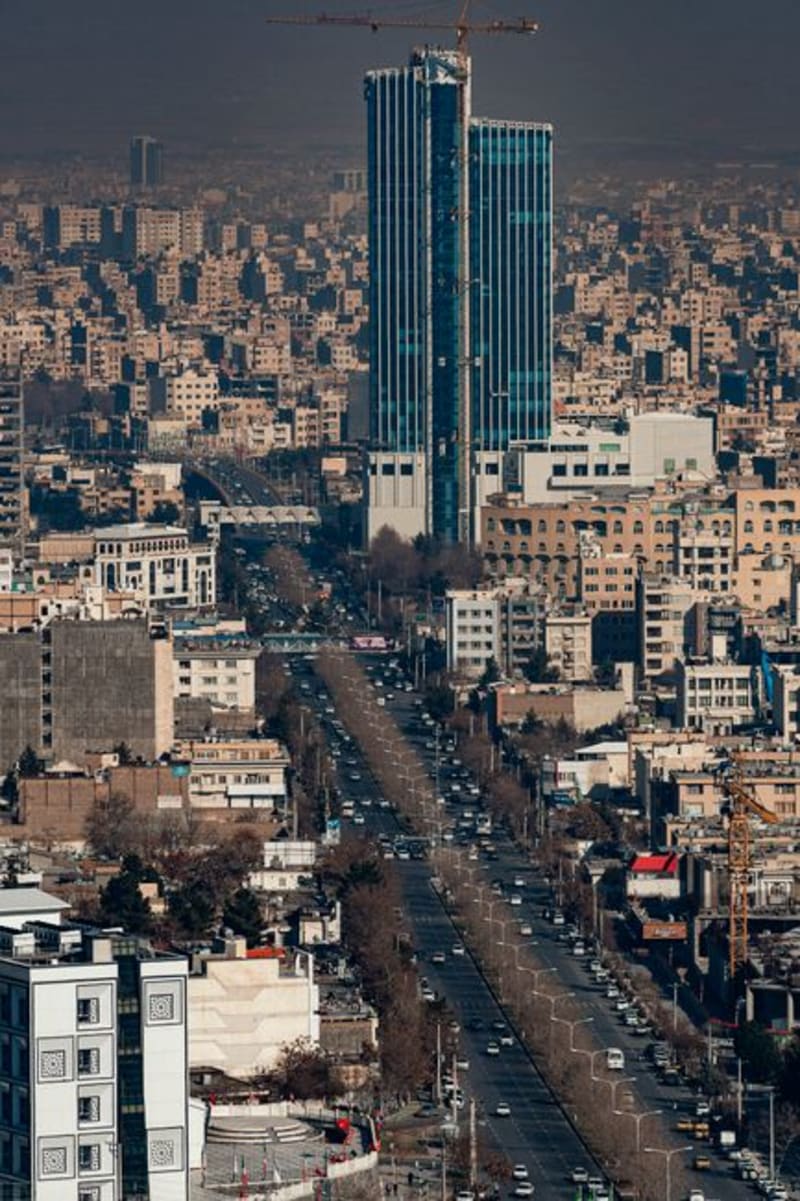 iran
iran Bam
The largest adobe citadel on earth, devastated by a 2003 earthquake and rebuilt stone by stone — a UNESCO site that is also a monument to recovery.
Explore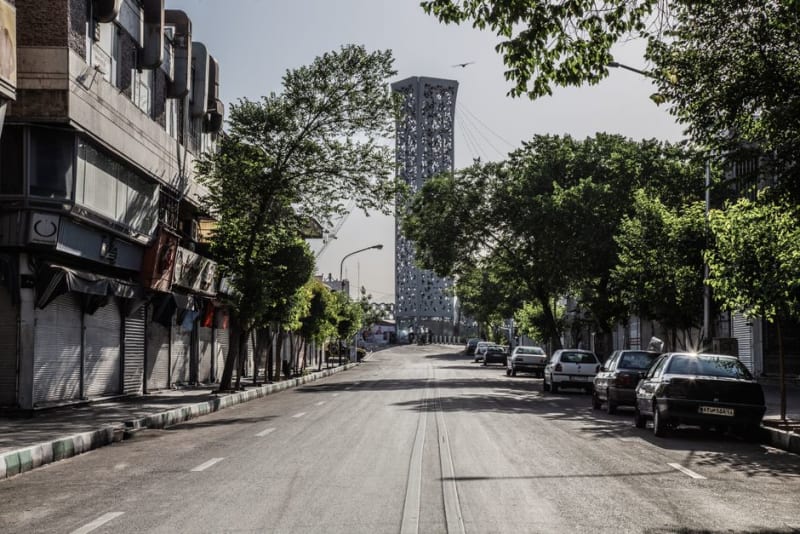 iran
iran Bandar Abbas
The working port city that guards the Strait of Hormuz — less pretty than Iran's famous cities, but the most honest introduction to how the Persian Gulf actually runs.
Explore iran
iran Bandar-e Anzali
A lagoon port city on the Caspian where fishing boats, floating water-lily channels, and Iran's most unexpected wetland ecosystem share the same few kilometers of coastline.
Explore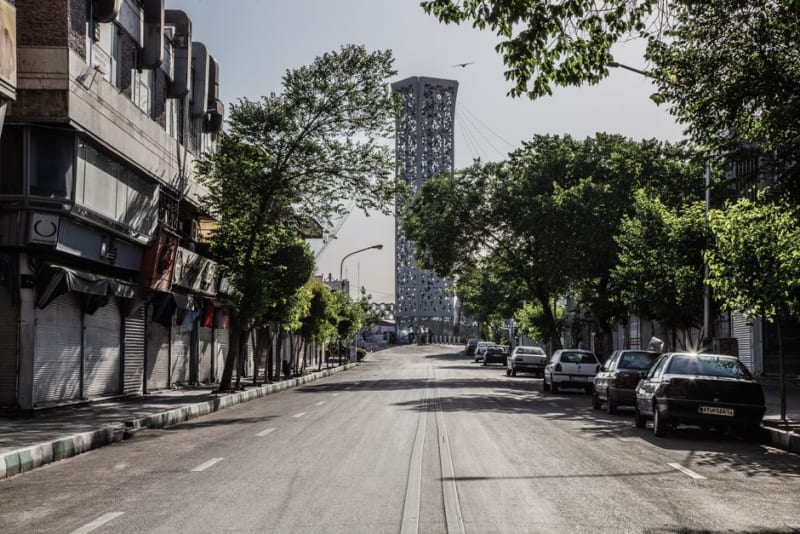 iran
iran Bandar Lengeh
A quiet Persian Gulf port with whitewashed wind-catcher architecture and a history as a pearling and smuggling hub tied more to the Arab shore than to Tehran.
Explore