Way Kambas National Park
"The park doesn't advertise the rhinos. It protects them by making sure you never get close enough to try."
Lowland swamp forest where mahouts still walk with rescued elephants at dawn, and the last handful of Sumatran rhinos on earth breathe out of sight, deliberately.
Way Kambas sits in the lowland swamp forest of eastern Lampung, at the southern tip of Sumatra, and it’s not a park built for spectacle the way some of Indonesia’s more photogenic reserves are. There’s no volcano backdrop, no waterfall circuit, no Instagram-ready viewpoint. What it has instead is one of the most important, and most quietly desperate, conservation efforts on the planet, and once I understood that, the mud and the mosquitoes stopped bothering me nearly as much.
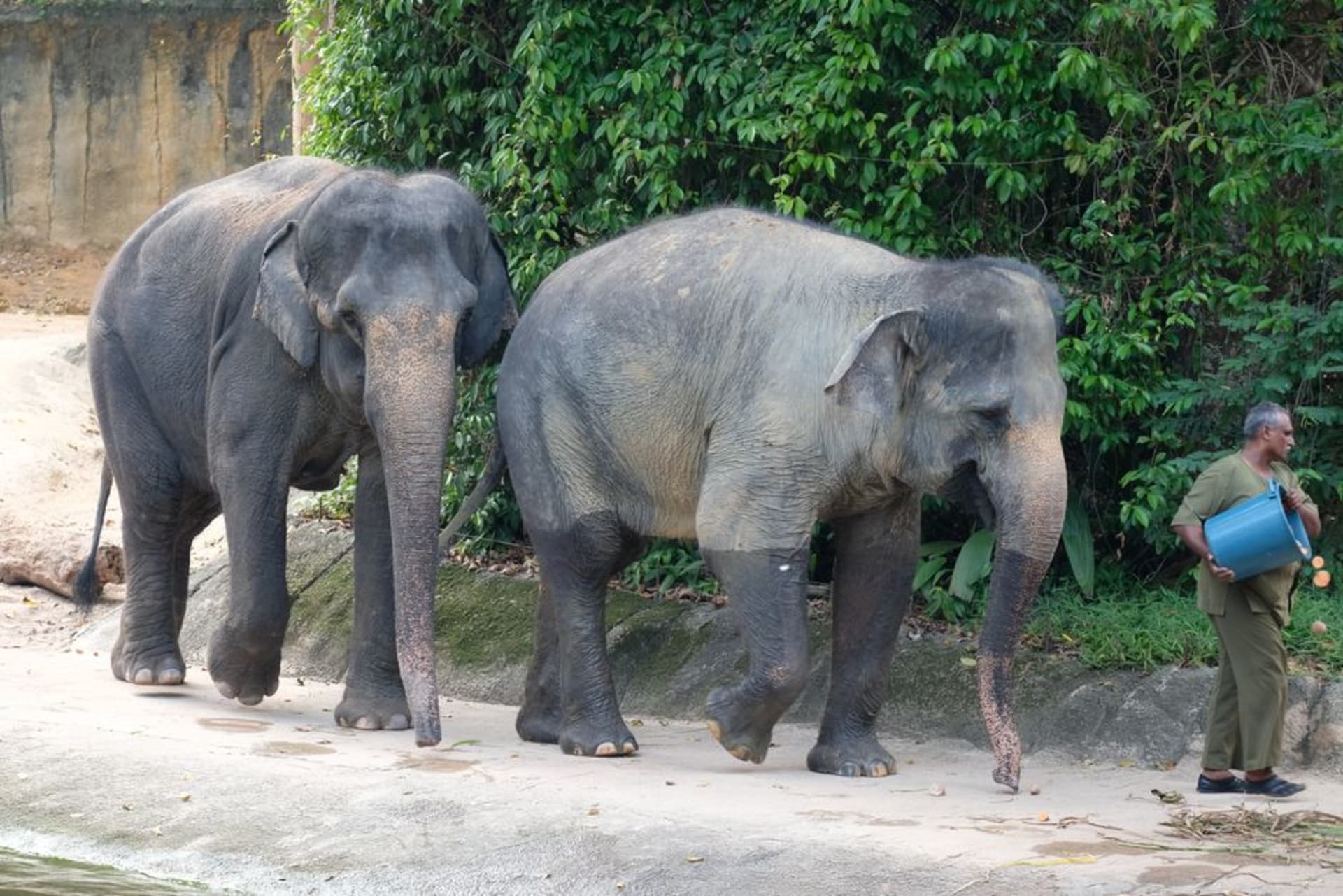
The park’s most visible residents are its elephants. The Elephant Training Center — locally the Pusat Latihan Gajah, established back in the 1980s — was originally built to domesticate wild elephants displaced by Sumatra’s rampant deforestation and human-elephant conflict, training them for patrol and logistics work. It has since evolved into something closer to a rehabilitation and education center, and watching the mahouts bathe their elephants in the Way Kambas river at dawn, brushing down animals the size of delivery trucks with what looked like genuine affection, was more moving than I expected. These aren’t circus animals; many were rescued from snares or conflict zones, and the relationship between mahout and elephant here is built over years, sometimes decades.

What you won’t see, and why that’s the point
The animal that actually makes Way Kambas globally significant is one visitors are never shown: the Sumatran rhino. The Sumatran Rhino Sanctuary here holds a meaningful fraction of the entire world’s remaining population of this species — smaller, hairier, and far more ancient than its African cousins, and now critically endangered with likely fewer than 50 individuals left alive anywhere. The sanctuary operates a captive breeding program precisely because the species had become so fragmented across shrinking forest patches that wild rhinos could no longer reliably find each other to breed. It’s not open to casual visitors, and that’s deliberate — every one of these animals is essentially irreplaceable, and biosecurity and stress reduction take precedence over tourism. Knowing they were out there in the forest around me, unseen, changed how I walked through the rest of the park.

The Way Kanan river, which winds through the park’s core, is where most visitors actually spend their time — a slow boat trip at dawn or dusk past hornbills, storks, and if you’re patient, the flash of a kingfisher or the honk of a rhinoceros hornbill overhead. Way Kambas is also recognized as one of the best birdwatching sites in Sumatra, with over 400 recorded species, and the park still holds a small, extremely elusive population of Sumatran tigers, whose presence you’re more likely to register in the alertness of your guide than in an actual sighting. This isn’t a place for a checklist safari. It’s a place that rewards slowing down and accepting that the point isn’t seeing everything — it’s that any of it still exists at all.
When to go: The dry season from May to September offers the easiest access to trails and river routes, and dawn boat trips along the Way Kanan are consistently the best time for wildlife activity.