Waingapu
"Nobody comes to Waingapu on purpose, and then you find yourself staying a day longer than planned."
East Sumba's dusty port capital, more gateway than destination, but the ikat markets alone are worth the layover.
Waingapu doesn’t try to charm you, and I mean that as something close to a compliment. It’s the largest town on Sumba and the capital of East Sumba regency, a working port and administrative center that most travelers pass through for a night on the way to somewhere prettier — Waikabubak, the Pasola villages, the southwest beaches. I arrived by ferry from Flores expecting to leave the next morning and ended up staying two nights, mostly because the town’s unpolished, get-on-with-it energy grew on me faster than I expected.
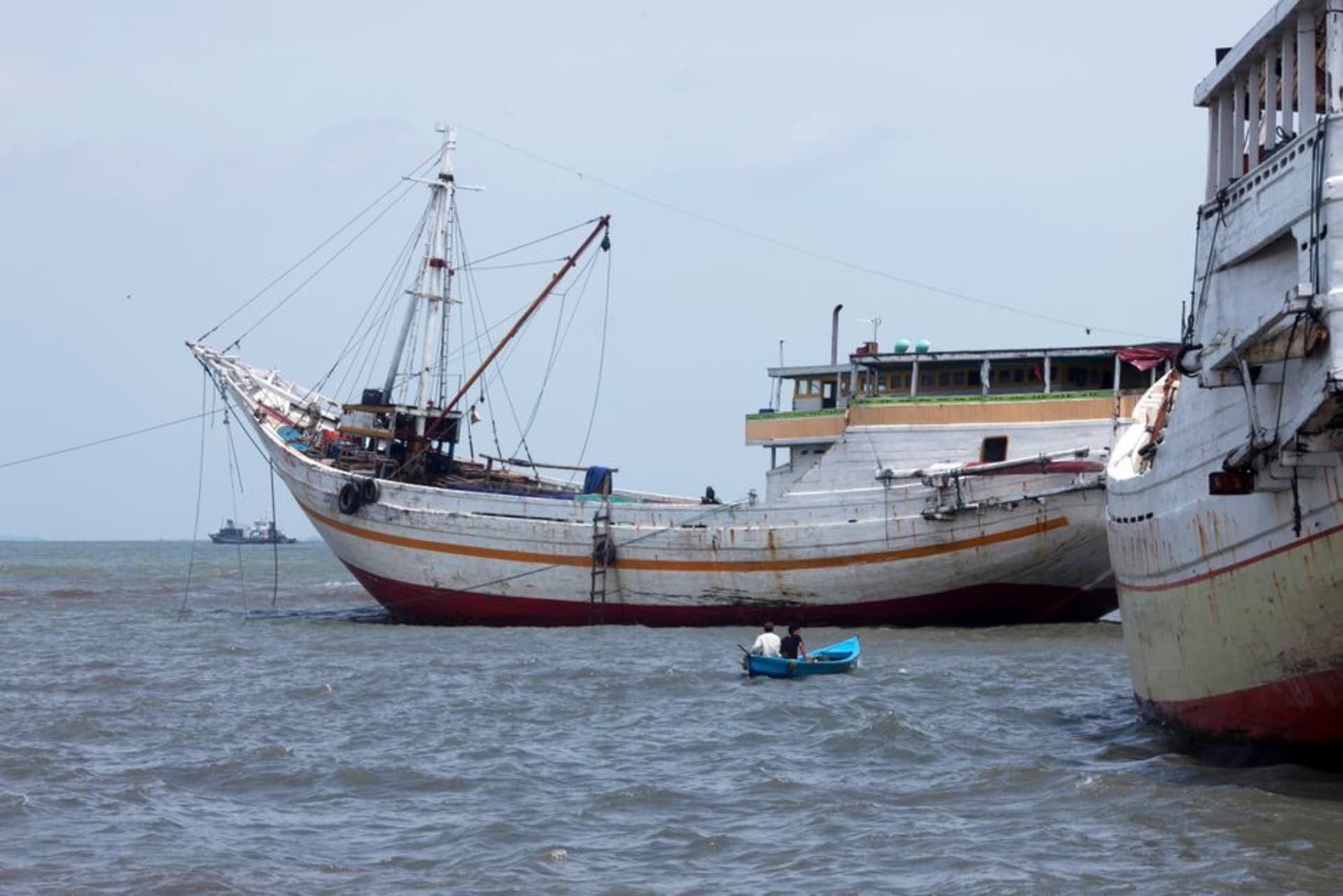
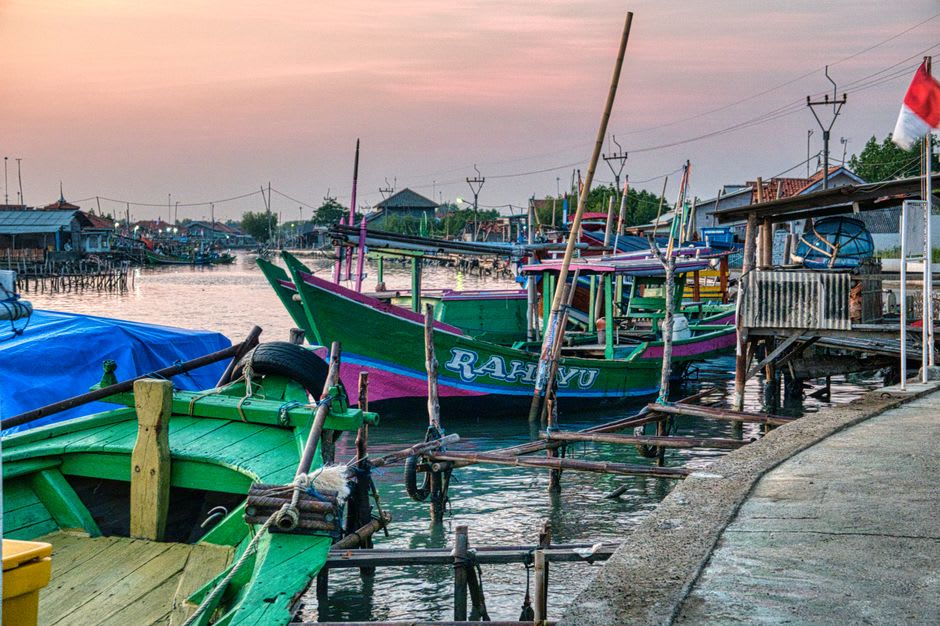
The town splits into two halves: Waingapu Kota, the older port area down by the harbor, and Waingapu Kambajawa a few kilometers up the hill, home to the airport and newer government buildings. Down at the harbor, wooden Bugis-style pinisi schooners still load and unload cargo the way they have for generations, and the fish market at dawn is loud, unglamorous, and completely uninterested in your presence, which after weeks of tourist-facing Bali and Lombok felt like a small mercy.
Ikat, without the performance
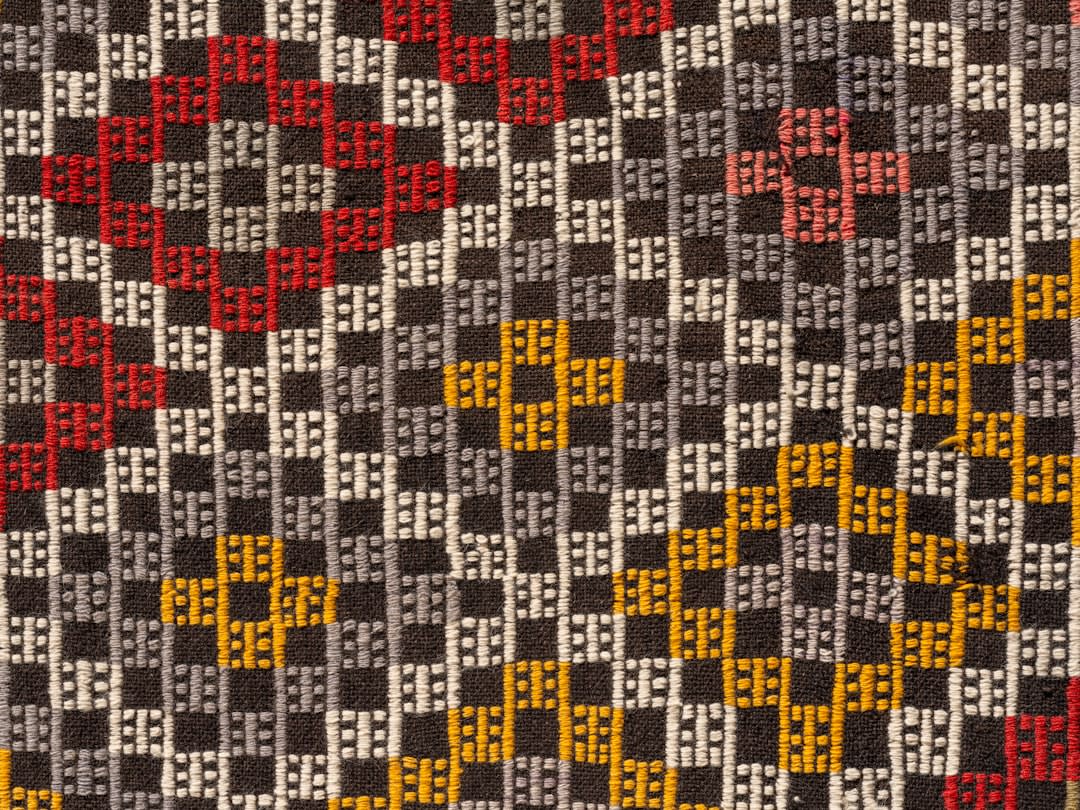
Waingapu is the commercial heart of East Sumba’s ikat weaving trade, and the market here — Pasar Matawai, a sprawling covered market a short walk from the harbor — is where cloths from villages all across the east side of the island actually get bought and sold, not staged for photos. East Sumban ikat is distinct from the softer floral patterns you see in Java or Bali: bold, graphic motifs of horses, skulls, deer, and ancestral figures in deep indigo, rust, and cream, historically woven to signal clan status and used to wrap the dead for burial. I spent an entire afternoon in the market talking my way through half-understood explanations of which motifs belonged to which noble houses, and left with a cloth I probably overpaid for and don’t regret at all.
A handful of weaving villages sit close enough to Waingapu for a half-day trip — Prailiu, practically a suburb of the town itself, has women weaving in open-sided pavilions right beside the road, happy to show the tie-dye and dyeing process if you take the time to ask rather than just point a camera. It’s less pristine than the more remote villages further out, but also more honest about what a working weaving economy actually looks like.
A base, not a highlight
Practically speaking, Waingapu matters because it has Sumba’s main airport, Umbu Mehang Kunda, and is the logical staging point for East Sumba’s megalithic tomb villages like Praiyawang and Rende, a few hours south along a coastline of dry hills and grazing horses. The landscape around Waingapu itself is stark — rolling savanna, scrubby and sun-bleached for most of the year, closer in feel to parts of Australia’s outback than to the volcanic green of Bali. It’s not a beautiful town in any conventional sense, but the contrast is part of what makes East Sumba memorable, and Waingapu is the unglamorous door you walk through to get there.
When to go: June to September, during the dry season, when roads to the outlying villages are passable and the savanna’s gold-brown color is at its most striking.