
Ternate's quieter, less-visited twin — same volcanic cone, same clove history, a fraction of the visitors, and a sultan's palace with the best view in the Maluku Sea.
Every guidebook paragraph about Ternate mentions Tidore in the same breath, usually as the view across the strait, and that’s exactly the mistake I made on my first visit — I stood on Fort Tolukko’s ramparts, photographed Tidore’s volcanic cone from a distance, and told myself I’d seen it. I hadn’t. The short ferry ride across the strait, maybe thirty minutes on a public boat that leaves when it’s full rather than on a schedule, takes you to an island that shared every major chapter of Ternate’s history but somehow kept a fraction of its attention, and that imbalance is entirely to the traveler’s benefit.
Tidore was Ternate’s great historical rival, not its footnote. The two sultanates fought each other for control of the clove trade for centuries, and each allied with a different European power to gain the upper hand — Ternate largely with the Dutch, Tidore initially with the Spanish, whose galleons made the long crossing from Manila specifically to trade here. The Spanish fort, Benteng Tahula, sits above the town of Soasio with walls still standing after nearly four centuries, and from its high point you get the mirror image of the Ternate view: Gunung Gamalama across the water instead of Tidore’s own peak, Gunung Kie Matubu, which rises even more steeply behind you and dominates every sightline on the island. Unlike Ternate’s more developed waterfront, Tidore’s fort sees almost no other visitors, and I sat there for the better part of an hour without another tourist appearing.

A sultanate that still crowns its rulers
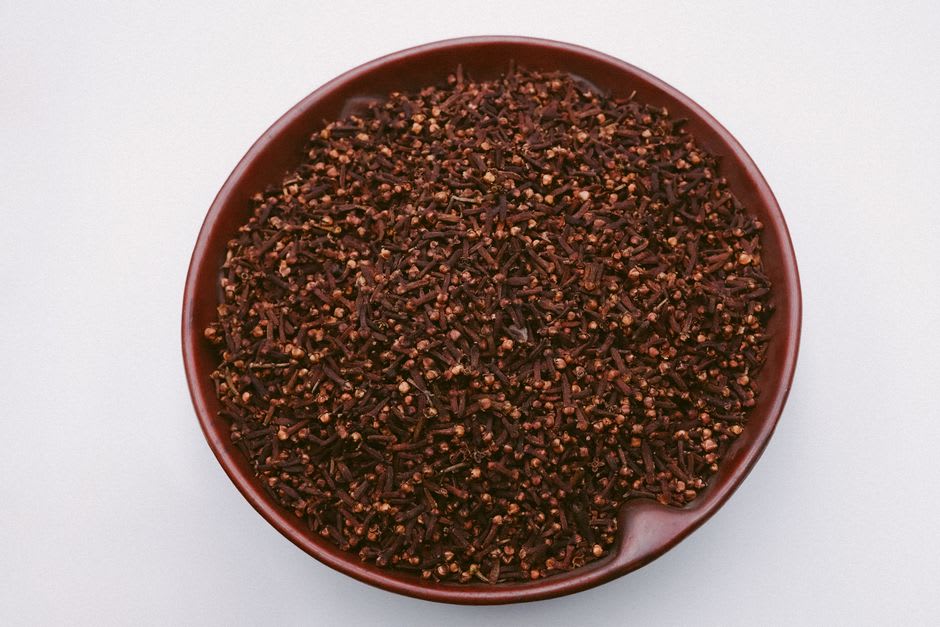
The Sultanate of Tidore, like Ternate’s, still exists as a cultural and ceremonial institution within modern Indonesia, and its palace, the Kedaton Kesultanan Tidore, rebuilt in recent decades after the original was lost, sits on a hillside above Soasio with commanding views over the strait to Halmahera. Coronation ceremonies here retain genuine local weight — when a new sultan is installed, the event draws Tidorese from across the diaspora and includes rituals that trace directly back to the clove-trade centuries when this small island’s sultan could command tribute from across eastern Indonesia. Walking the town below, the domestic architecture still shows the layered influence of that history: mosque minarets alongside the low stone footings of old Spanish structures, clove trees still growing in dooryards the way they have for hundreds of years, their drying racks of red-brown pods a common sight along the roadside during harvest.
Kie Matubu itself is climbable, a genuinely demanding trek through rainforest that thins as you gain altitude, with local guides from the villages at the base leading the route since it isn’t well marked. I didn’t summit — weather turned on me about two-thirds up — but even the lower slopes gave a view back across to Ternate and Maitara, the tiny uninhabited island between them that appears, of all places, on the back of Indonesia’s old 1,000-rupiah note. Down at sea level, the coastal villages run on fishing and clove and nutmeg smallholdings, and the pace of an afternoon here is set by boats coming in rather than by anything resembling a tourist schedule, because there mostly isn’t one yet.
When to go: Dry season, April to October, matches Ternate’s weather window and keeps both the strait crossing and any hike up Kie Matubu manageable; clove harvest season around July and August is a bonus if you want to see the drying racks in full use.