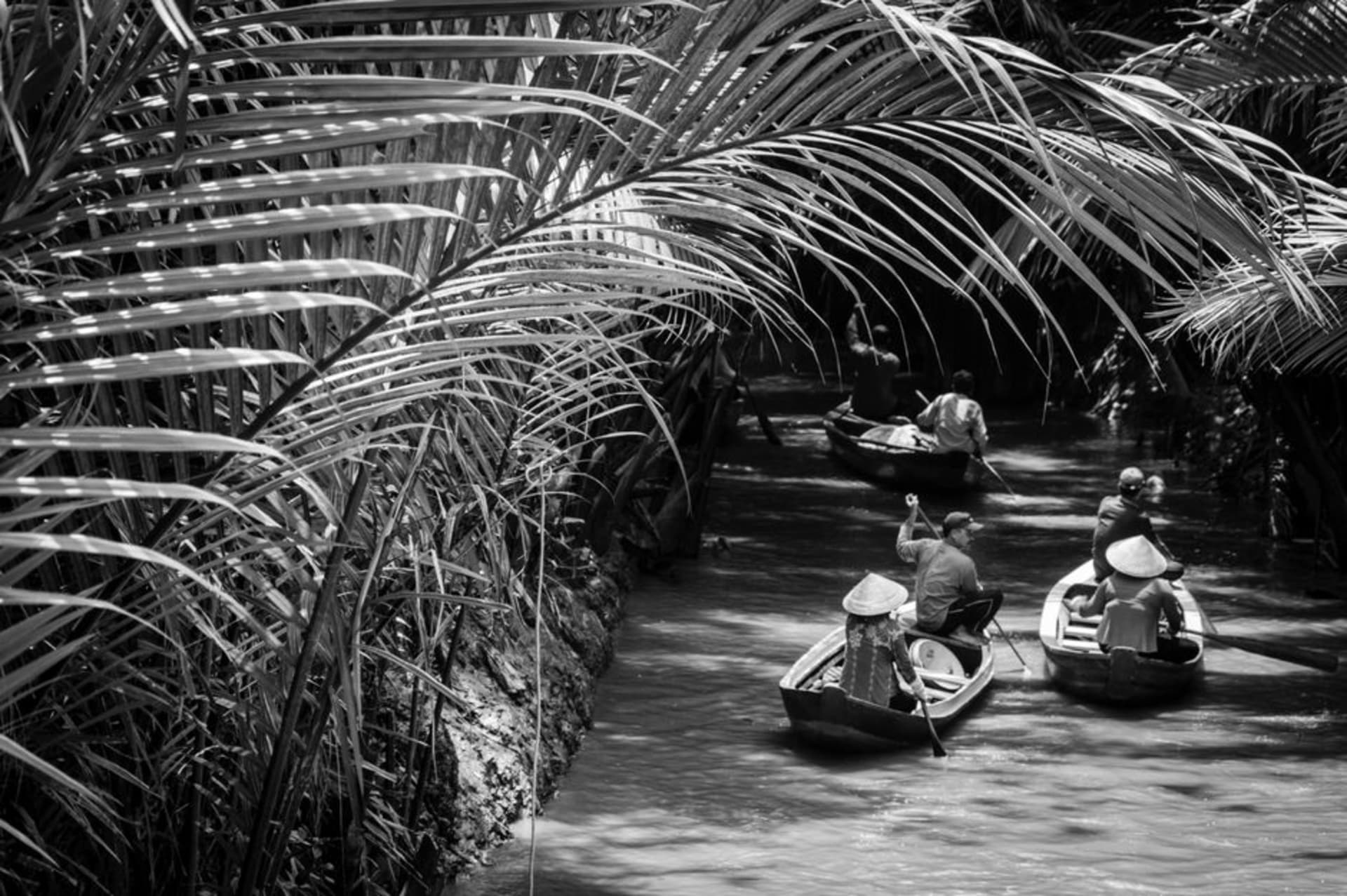
Tanjung Puting National Park
"I slept on a boat for three nights and never once missed a bed."
A muddy river, a wooden klotok, and orangutans watching you back from the canopy — Kalimantan's rainforest at its most unfiltered.
Nobody prepares you for how slow Tanjung Puting is, and that is precisely the point. You board a klotok — a two-story wooden houseboat with a captain at the stern and a cook working miracles out of a kitchen the size of a closet — at the port town of Kumai, and then you simply stop arriving anywhere for days. The Sekonyer River runs black with tannins leached from peat, and the boat pushes upstream at a pace that makes you recalibrate what “sightseeing” even means. I spent the first two hours annoyed at how little was happening. By the third, I understood I’d been asking the wrong question.
The park itself, gazetted in 1982 and now sprawling across roughly 4,000 square kilometers of swamp forest, peat bog, and lowland rainforest on the southwestern coast of Kalimantan, exists largely because of one woman: Birutė Galdikas, the Lithuanian-Canadian primatologist who arrived in 1971 at the urging of Louis Leakey and never really left. Camp Leakey, the research station she founded deep in the park, is still the place everyone comes to see — not a zoo, not quite wild either, but something in between where rehabilitated and semi-wild orangutans show up for supplementary feedings on raised platforms while rangers narrate their family trees like village gossip.
The feeding platforms and the forest in between
What surprised me most wasn’t the orangutans at Camp Leakey, though watching a dominant male named — I was told, with total sincerity — after a former Indonesian president swing down out of the canopy for a hand of bananas is something you don’t shake off quickly. It was the ride there. Proboscis monkeys, endemic to Borneo and looking like they were designed by committee, crash through the branches along the riverbank at dusk in troops that seem to argue constantly. Long-tailed macaques raid the boat’s kitchen if you leave a porthole open. Hornbills clatter overhead with a sound like a badly oiled hinge. The peat swamp forest, unlike the tidier rainforest of postcards, is dark and tangled and smells of standing water and rot in a way I found weirdly comforting.
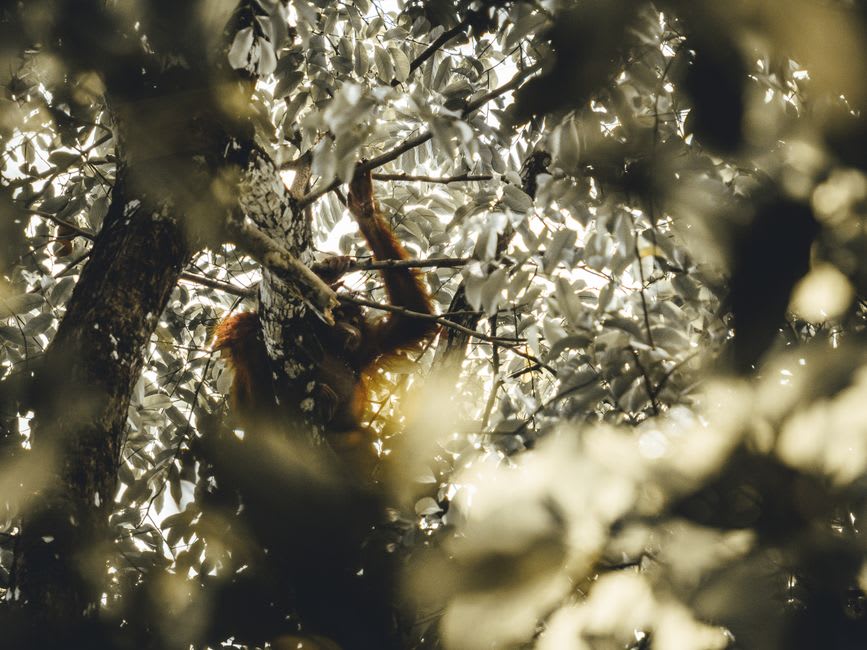
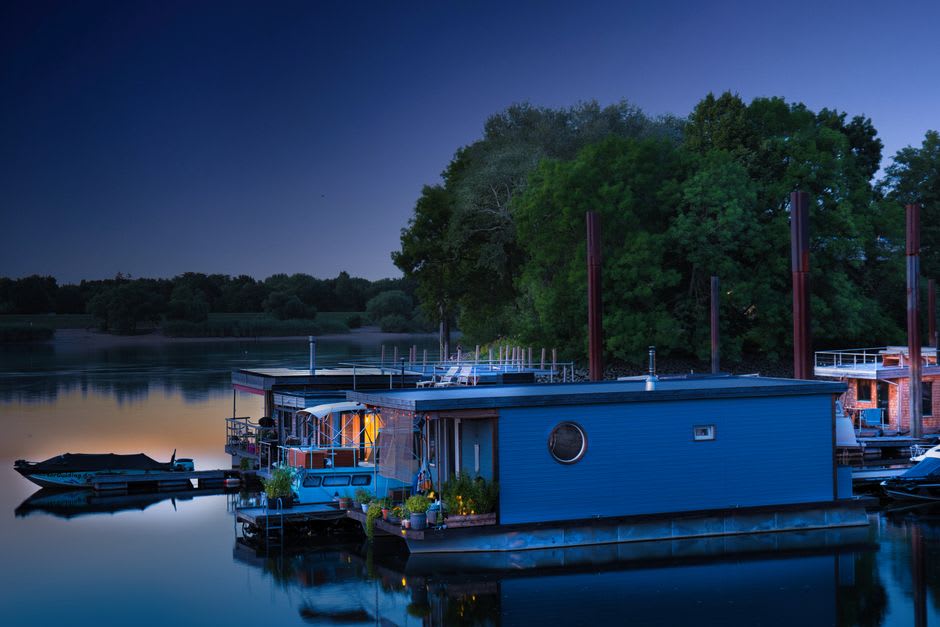
Nights on the klotok are their own ritual. The crew rigs mosquito nets over mattresses laid across the top deck, the generator cuts out around ten, and you fall asleep to a wall of insect noise so dense it becomes a kind of silence. I woke once to the boat rocking gently and thought we were moving — we weren’t, a family of macaques had simply decided the mooring rope was a highway. Fireflies pulse in the mangroves along certain stretches of the Kumai Bay approach, synchronized in a way that looks staged and isn’t.
Tanjung Puting is not an easy park to love in the Instagram sense — the water is the color of strong tea, the humidity sits on you like a second shirt, and there is no infrastructure pretending otherwise. But it is one of the last strongholds of wild Bornean orangutans, an estimated few thousand individuals holding on in a landscape hemmed in by palm oil concessions on nearly every side. Being there felt less like tourism and more like witnessing something that requires witnesses.
When to go: The dry season, roughly May through September, keeps river levels manageable and trails walkable; July and August are peak but still uncrowded by regional standards. Avoid the heaviest rains of December through February, when parts of the park flood and boat travel gets unpredictable.