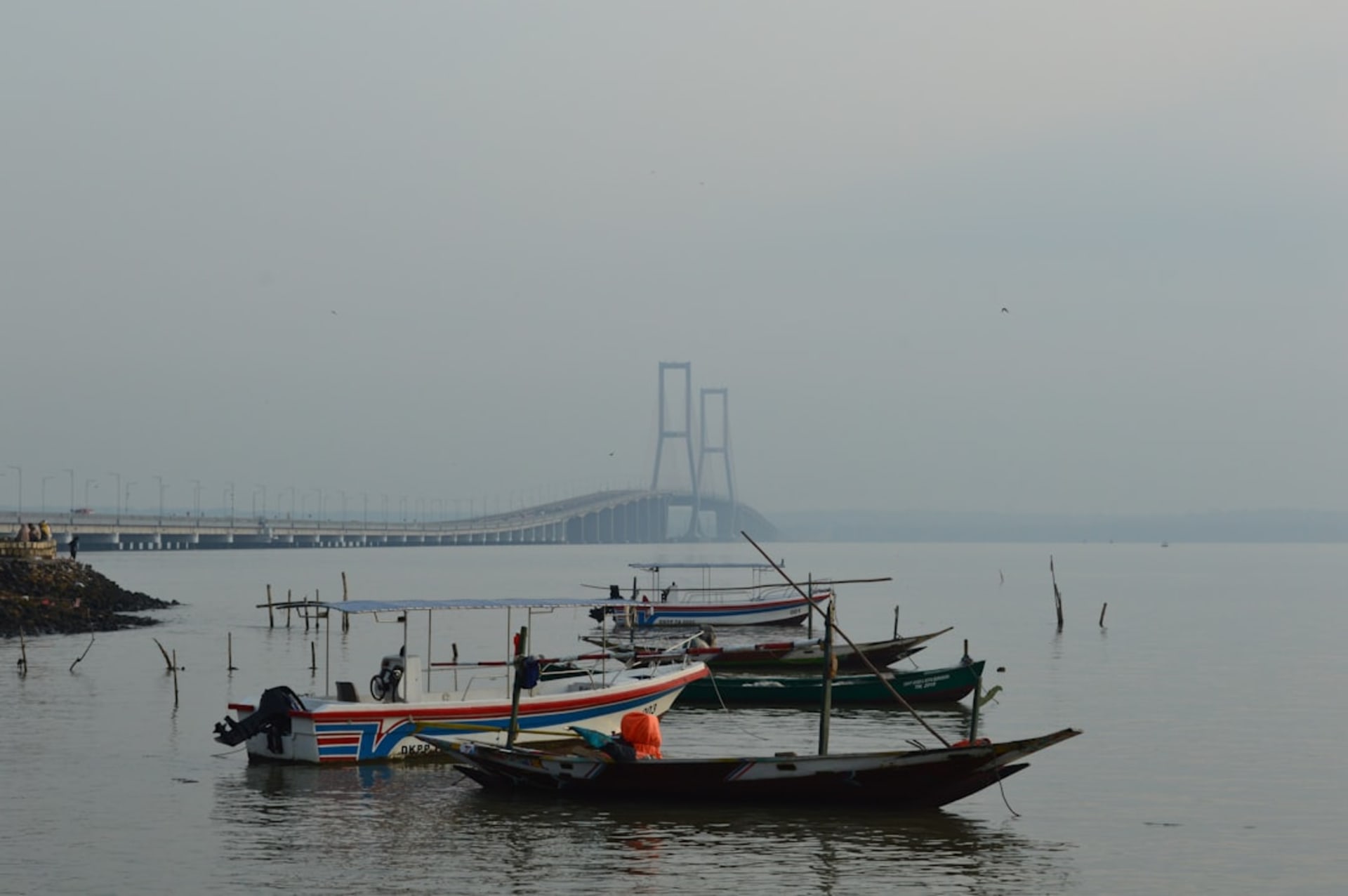
Surabaya
"They call it the City of Heroes, and after a day walking it, I understood why they meant it literally."
Indonesia's second city wears its revolutionary scars proudly — a port town of heroes' monuments, Arab quarters, and the fiercest noodle soup I've eaten in Java.
Surabaya doesn’t get the tourist traffic of Yogyakarta or Bali, and honestly, that’s part of what I liked about it. This is Indonesia’s second-largest city, a working port on the Java Sea with a population pushing three million, and it carries itself like a place that doesn’t need your approval. The nickname Kota Pahlawan — City of Heroes — comes from the Battle of Surabaya in November 1945, when Indonesian militias and ordinary residents, armed with little more than bamboo spears and captured Japanese weapons, fought British and Allied forces for three brutal weeks rather than surrender the city back to colonial control. It’s remembered as the bloodiest single battle of the Indonesian revolution, and the date, November 10th, is still observed nationally as Heroes’ Day. The Tugu Pahlawan, a soaring monument near the old Dutch quarter, marks the site, with an underground museum that lays out the battle in unflinching detail.
That fighting spirit sits oddly alongside Surabaya’s older identity as a trading port shaped by Arab, Chinese, and Madurese merchants for centuries. Kampung Arab, the old Arab quarter around the Ampel Mosque, is one of the oldest continuously used mosques in Java, its narrow lanes thick with the smell of grilled meat, dates, and incense sold from stalls that have operated for generations. I got pleasantly lost there for an hour, trailed by the calls of shopkeepers selling kurma and rose-scented perfume oils, before finding my way to the mosque’s courtyard, where the pace slowed to something almost meditative.
Where the crocodile met the shark
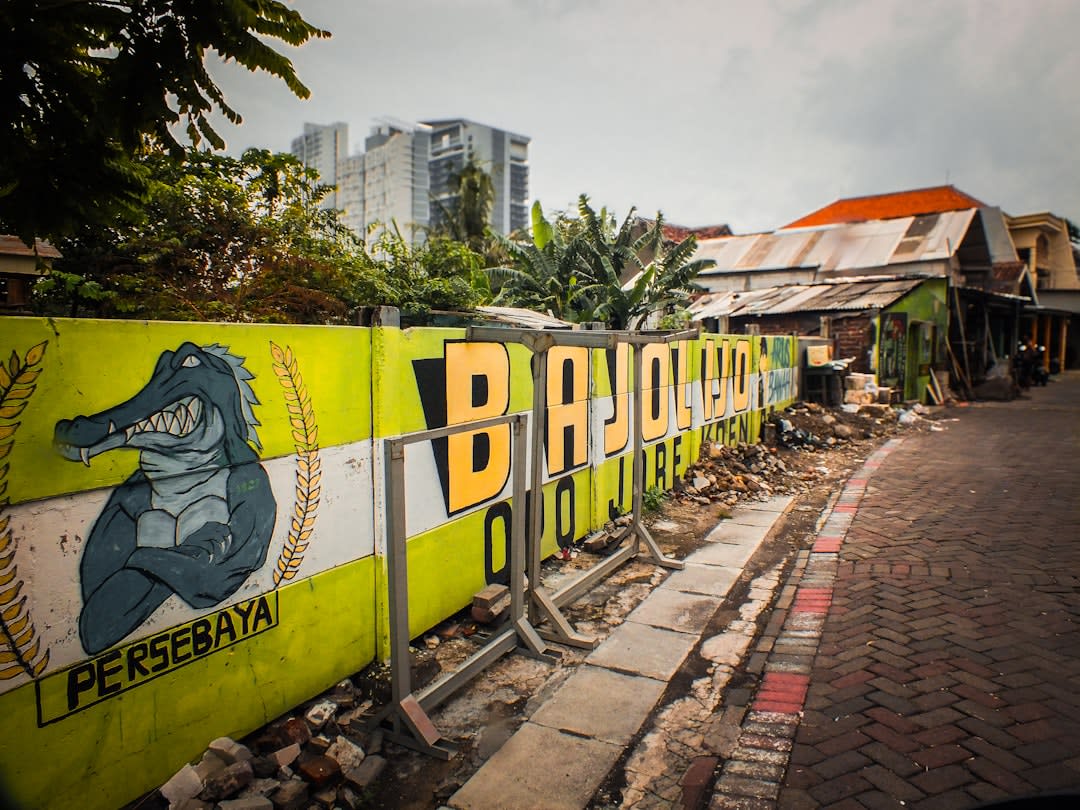
The city’s name is popularly explained by a folk tale about a fight between a crocodile (suro) and a shark (boyo) — you’ll see the pairing rendered as statues all over town, most famously the giant sculpture outside the Surabaya Zoo. Whether the etymology is real or invented after the fact, the story has become genuinely load-bearing civic identity here; the sura-and-baya statue is as much a symbol of Surabaya as any building.

Food in Surabaya hits harder than almost anywhere else in Java. Rawon, a black beef soup colored and flavored with kluwek nut, has a bitter, earthy depth that took me a few spoonfuls to appreciate and then made me a convert. Rujak cingur, a salad of vegetables, fruit, and — traditionally — cow’s snout, dressed in a thick fermented shrimp paste dressing, is not a dish that eases you in gently, and I loved it more than I expected to. The old Chinatown district, Kya-Kya on Jalan Kembang Jepun, still lights up at night with food stalls that have fed generations of dockworkers and traders.
When to go: May through October avoids the heaviest rains and lines up with Heroes’ Day commemorations if you want to see the city at its most civically alive; expect heat and humidity year-round regardless.